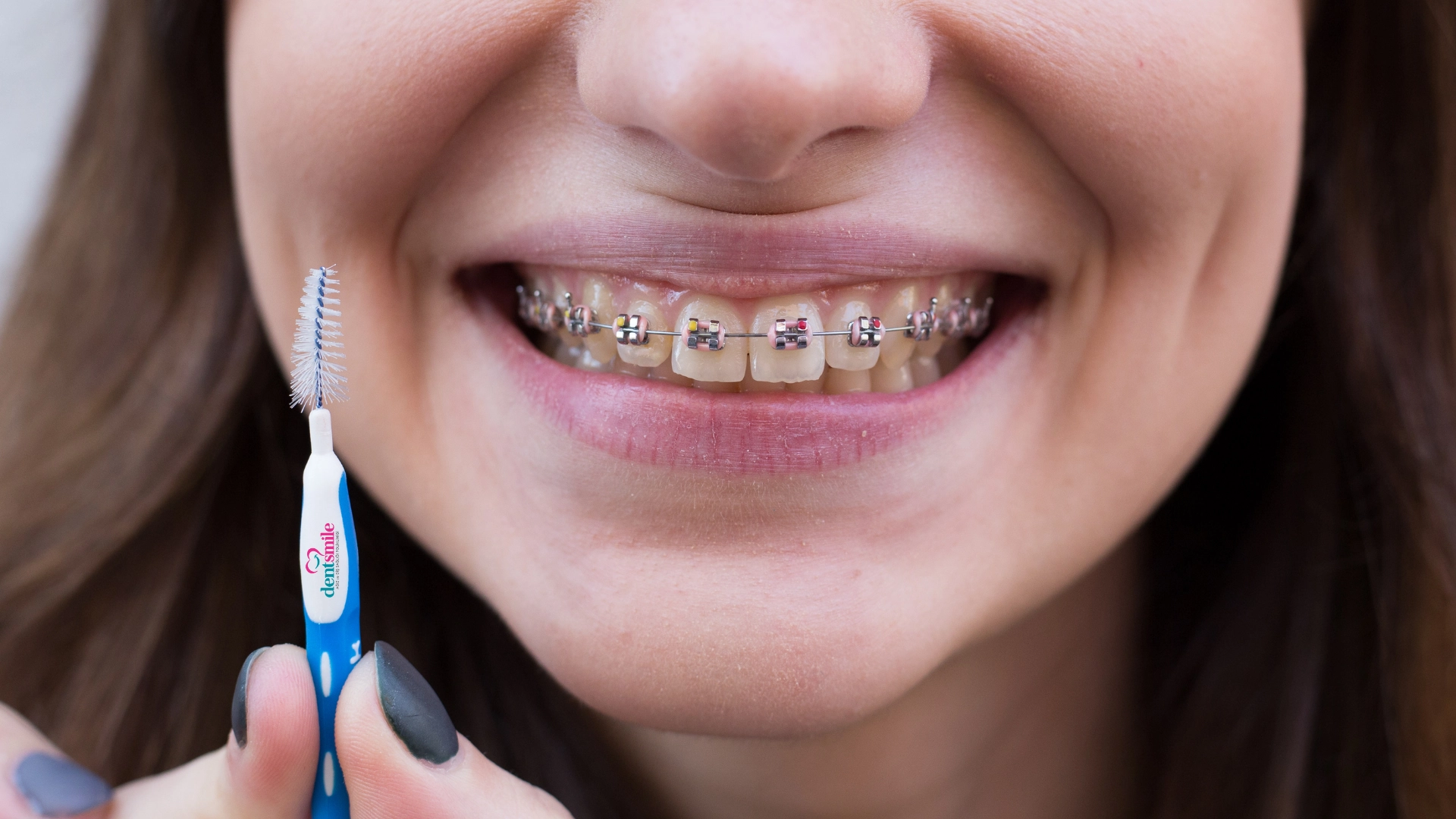
Diş Teli Takılırken ve Sonrasında Ağrı Olur mu?
Short summary — edit.

Dentsmile
Short, up-to-date answers to common questions.
45 questions
Short summary — edit.
Short summary — edit.
Short summary — edit.
Short summary — edit.
Should you pull out a loose baby tooth at home? Learn about natural tooth loss, safe care and when a child should see a dentist.

When can children eat after tooth extraction? Learn about soft foods, anesthesia, eating during the first hours, and precautions for the first 24 hours.
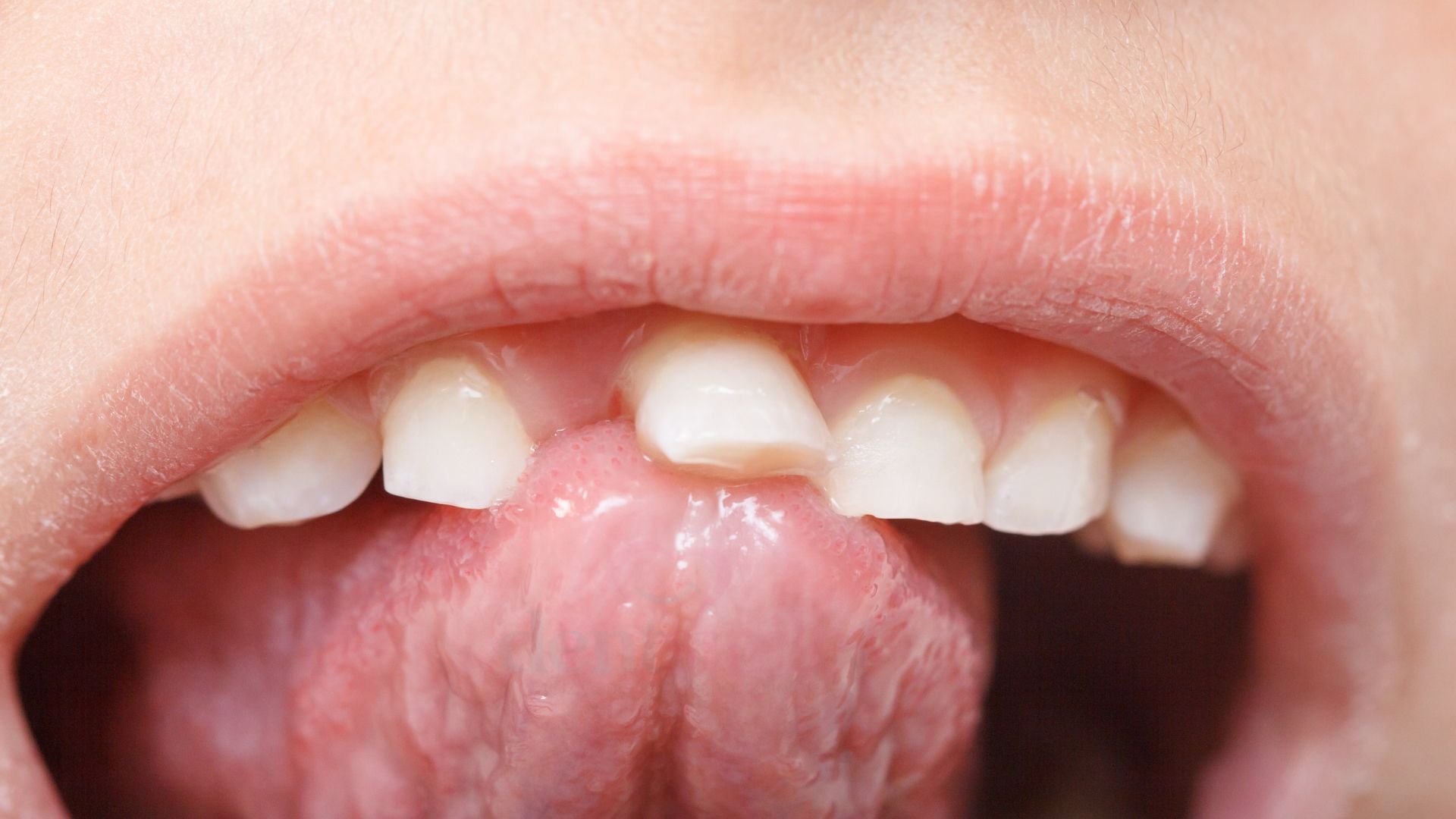
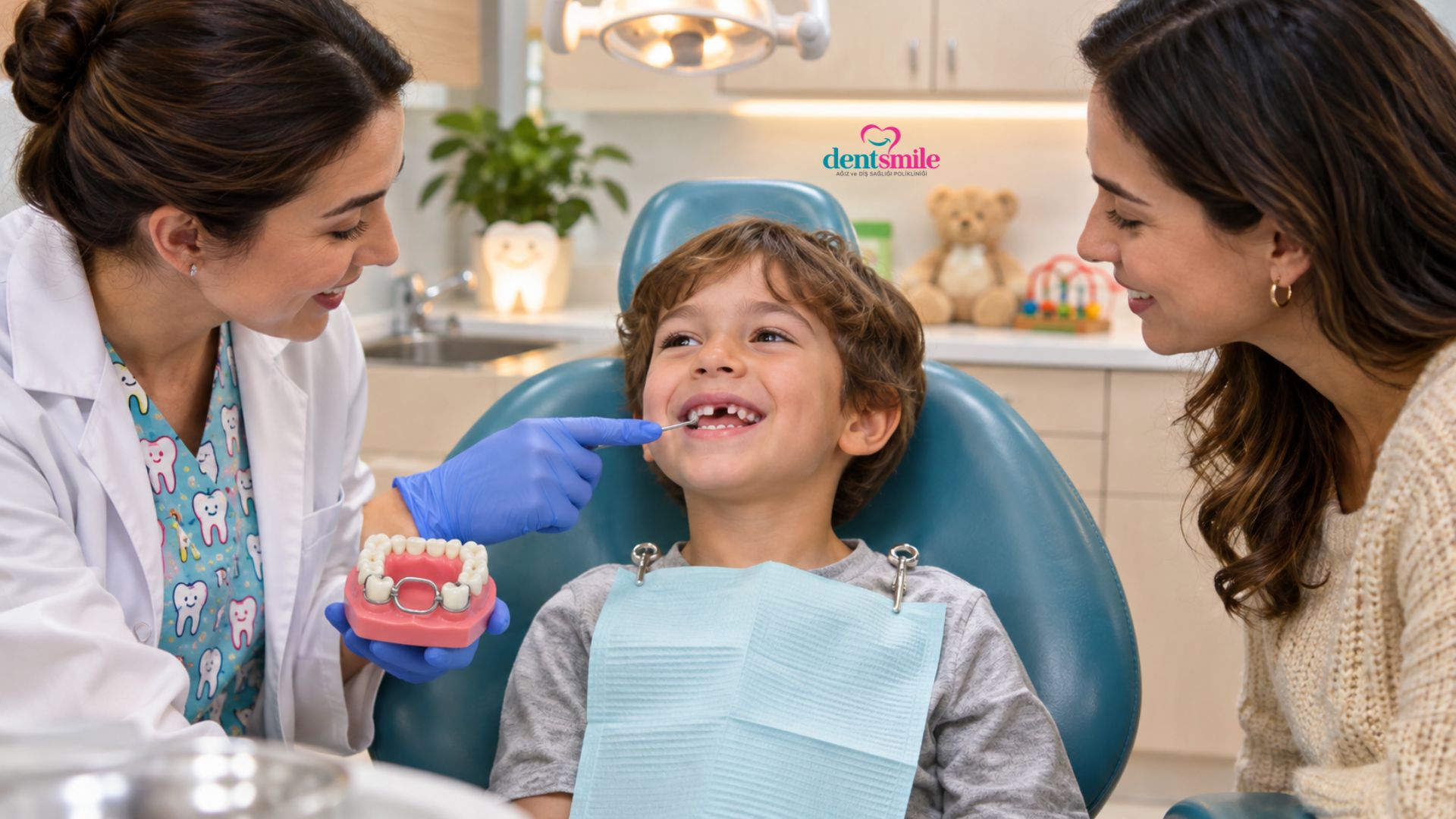
Should a decayed baby tooth be extracted or treated? Learn about fillings, pulp treatment, early tooth loss and space maintainers.
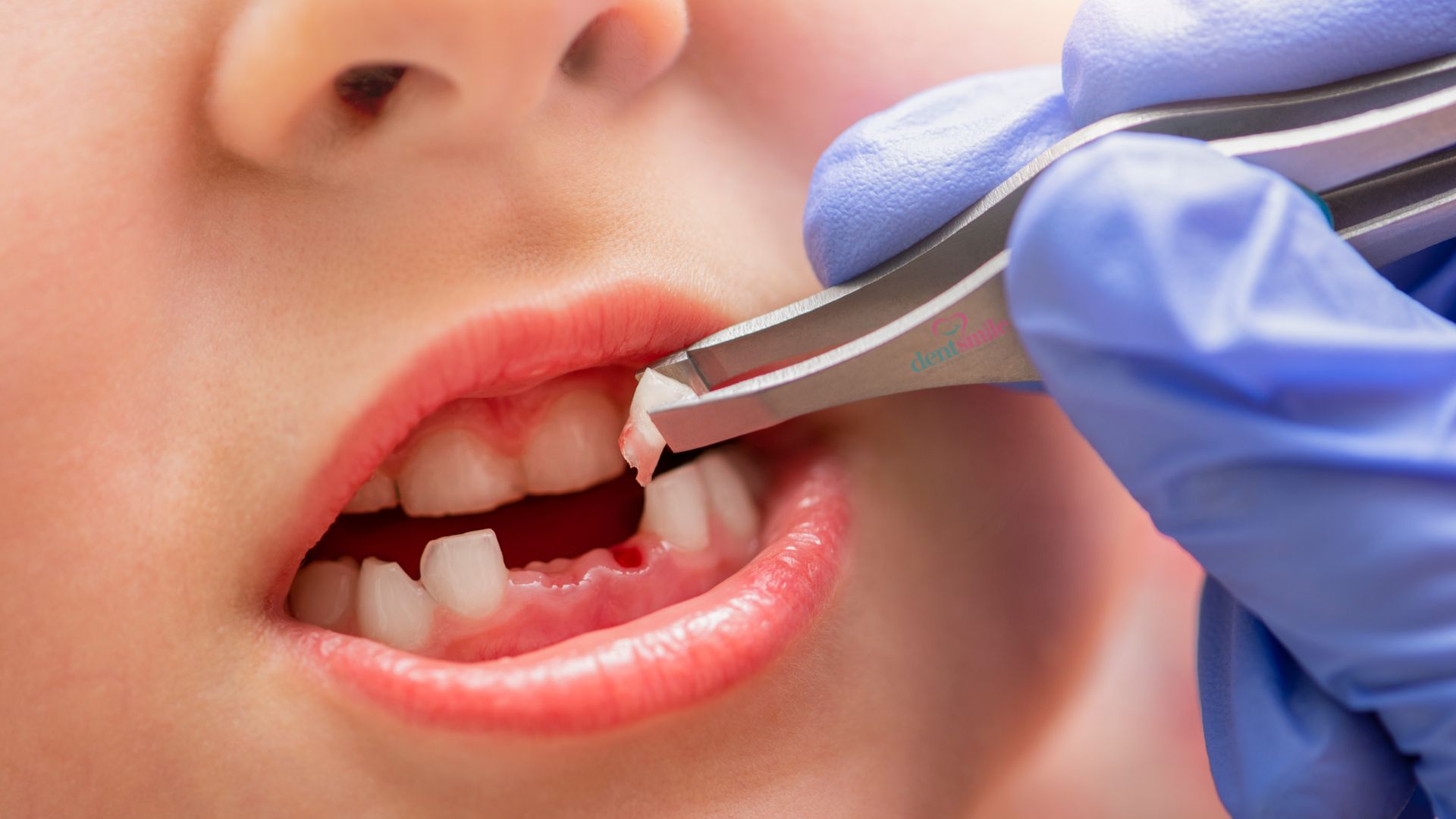
What should children avoid after tooth extraction? Learn about bleeding, eating, pain, brushing and care during the first 24 hours.
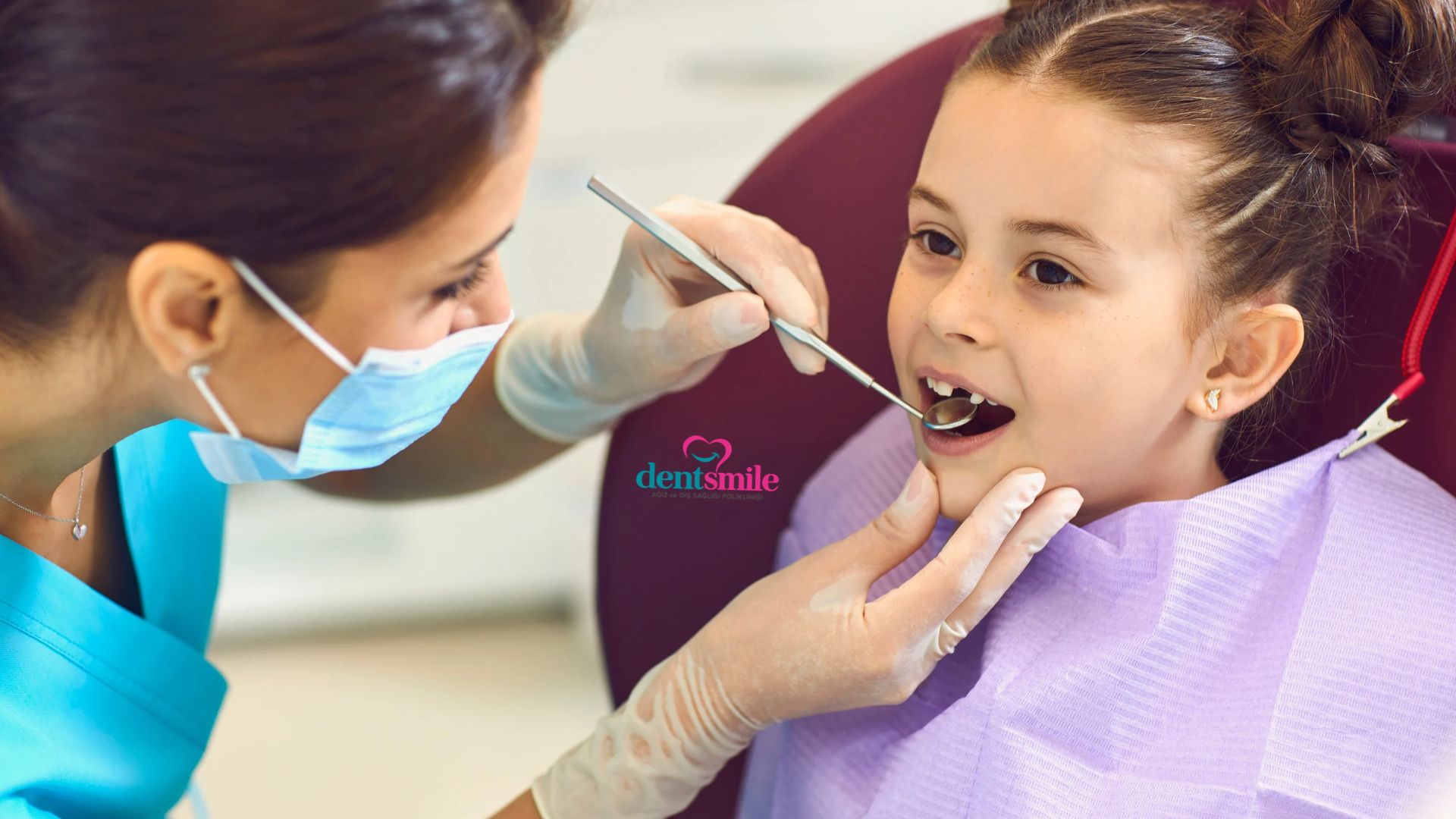
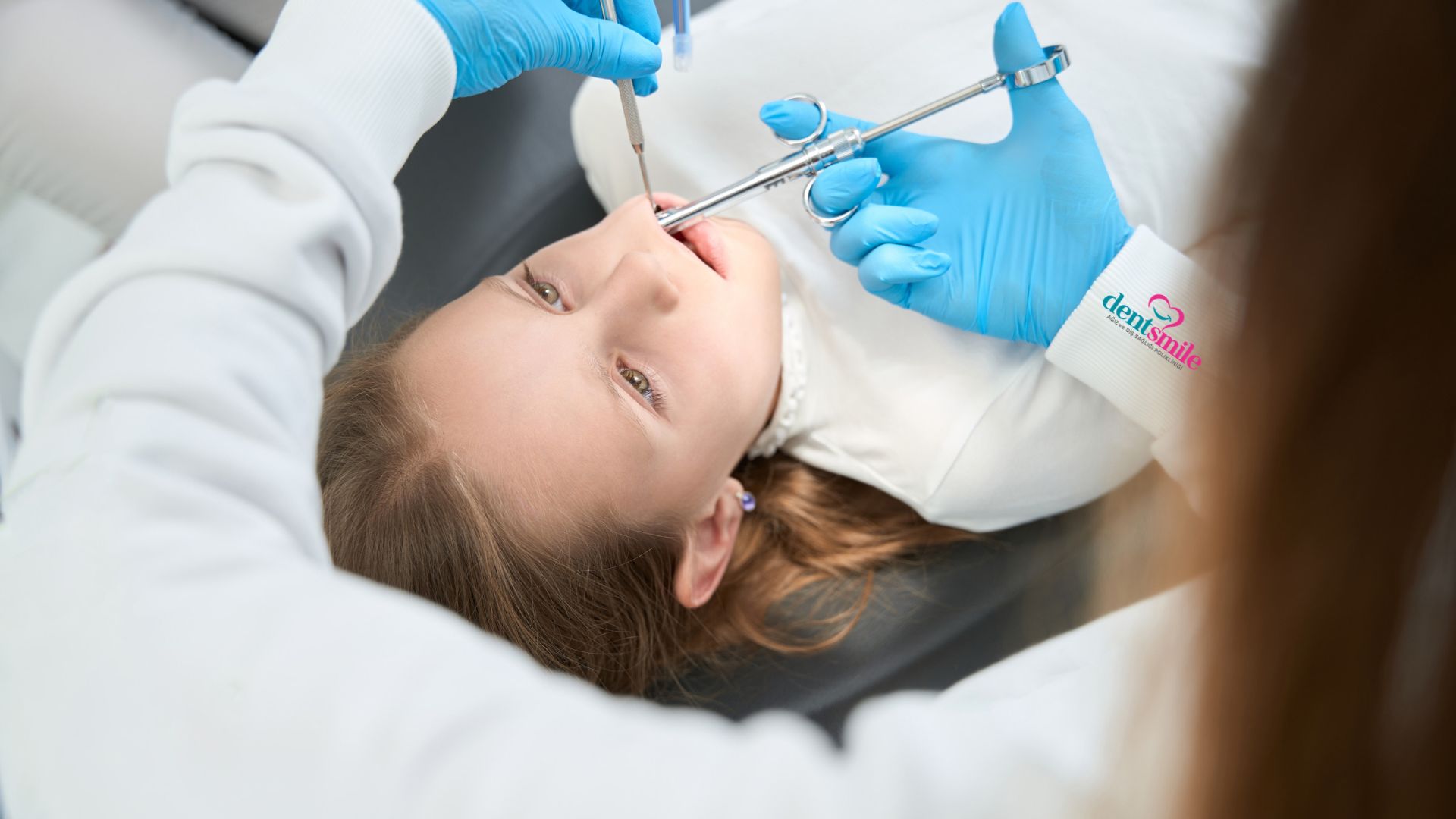
Does tooth extraction hurt children? Learn about anesthesia, baby tooth extraction, discomfort after treatment, and pediatric dental care in Üsküdar.
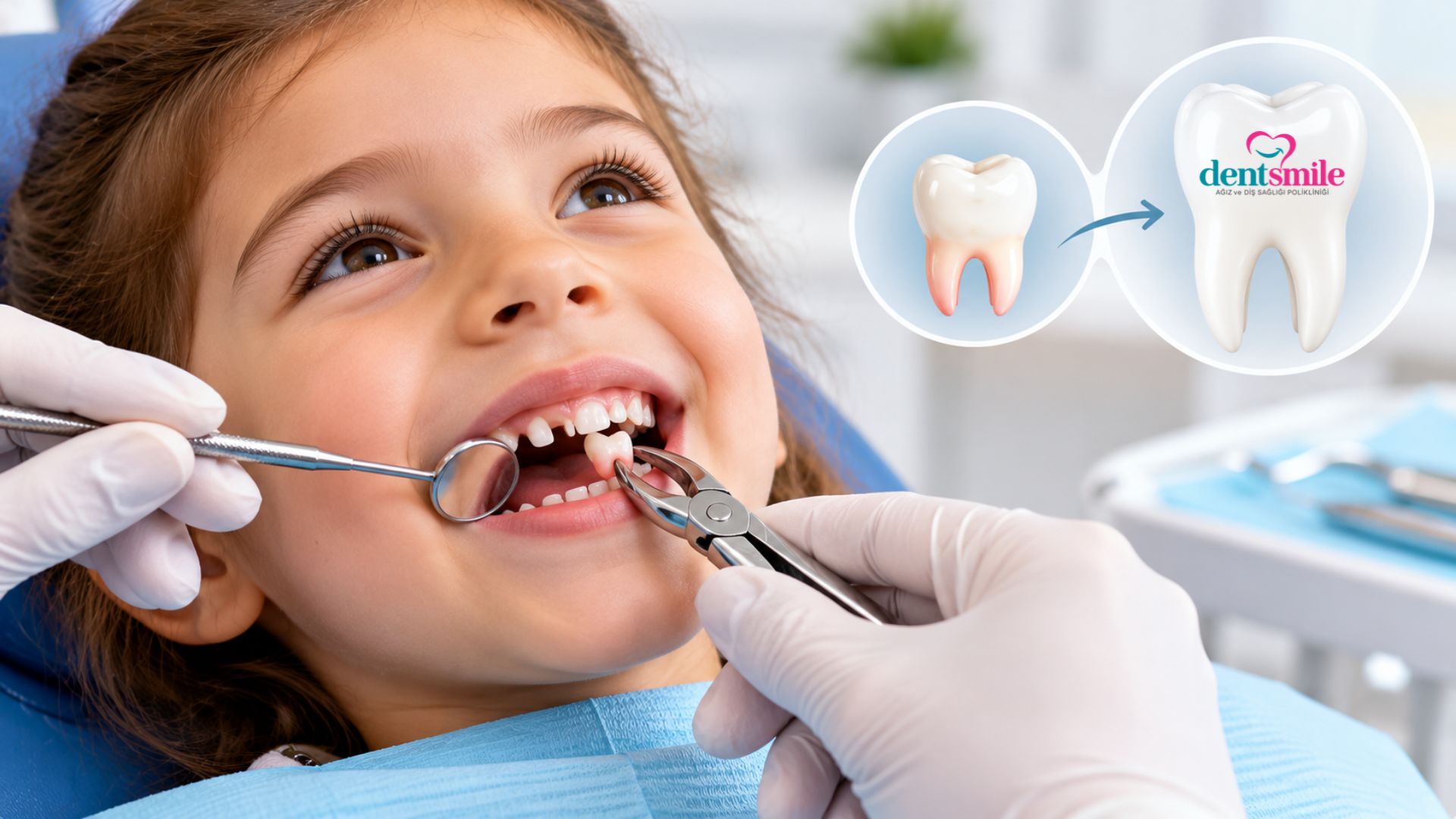
When should a child have a baby tooth extracted? Learn about decay, abscesses, dental trauma, early tooth loss and space maintainers.
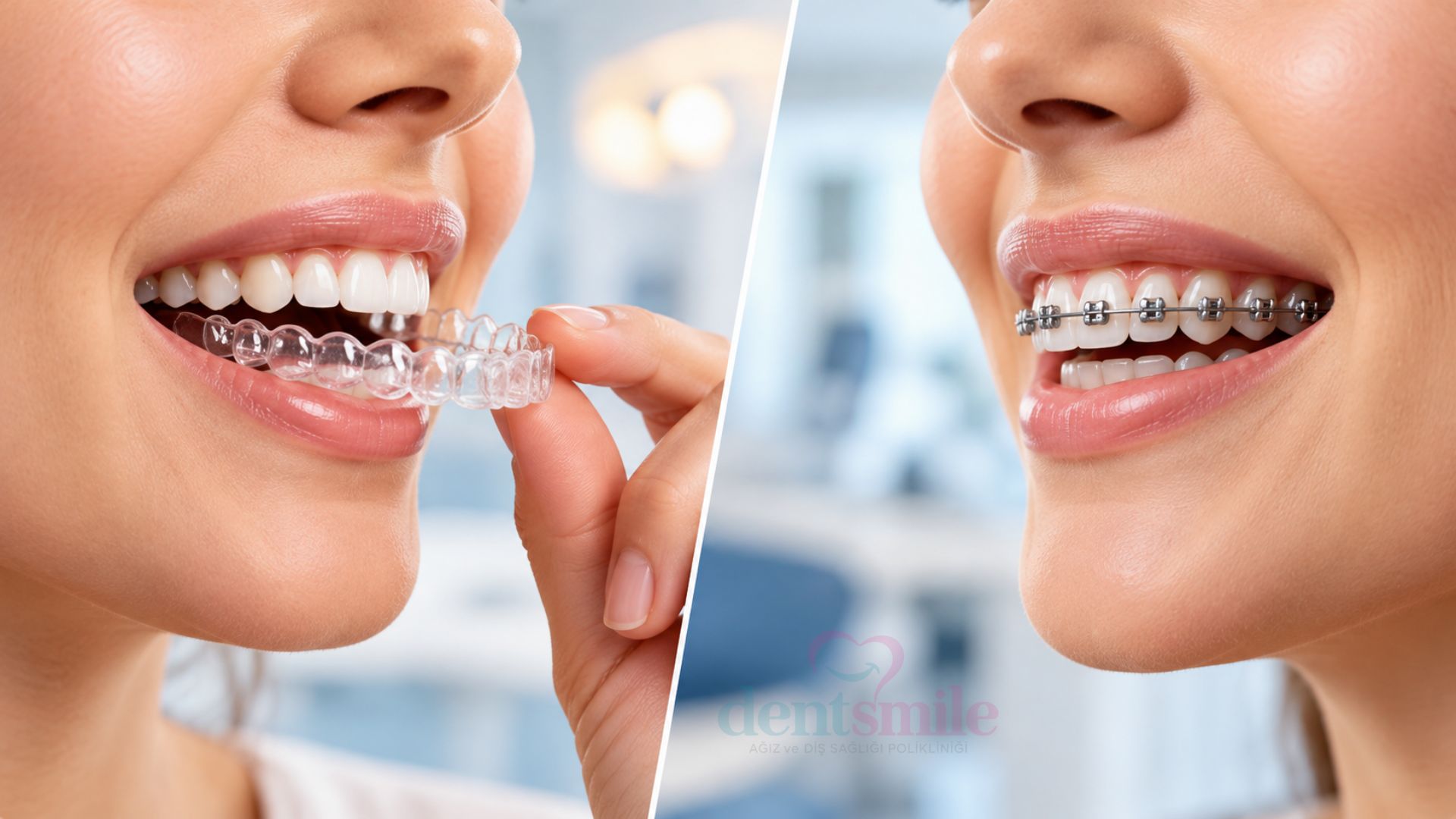
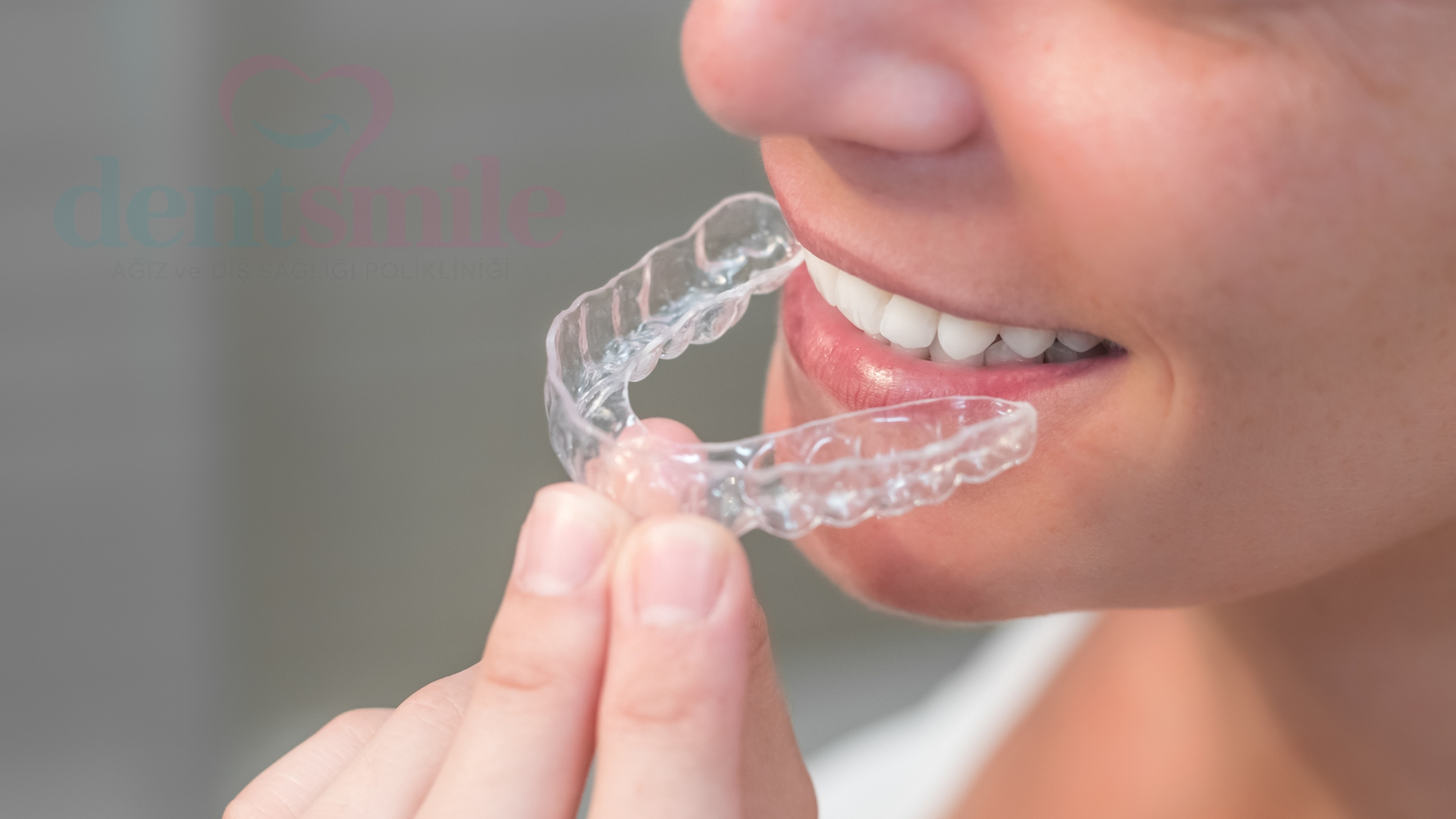
Are clear aligners or braces more effective? Compare treatment results, duration, comfort and suitability. Orthodontic options in Üsküdar.
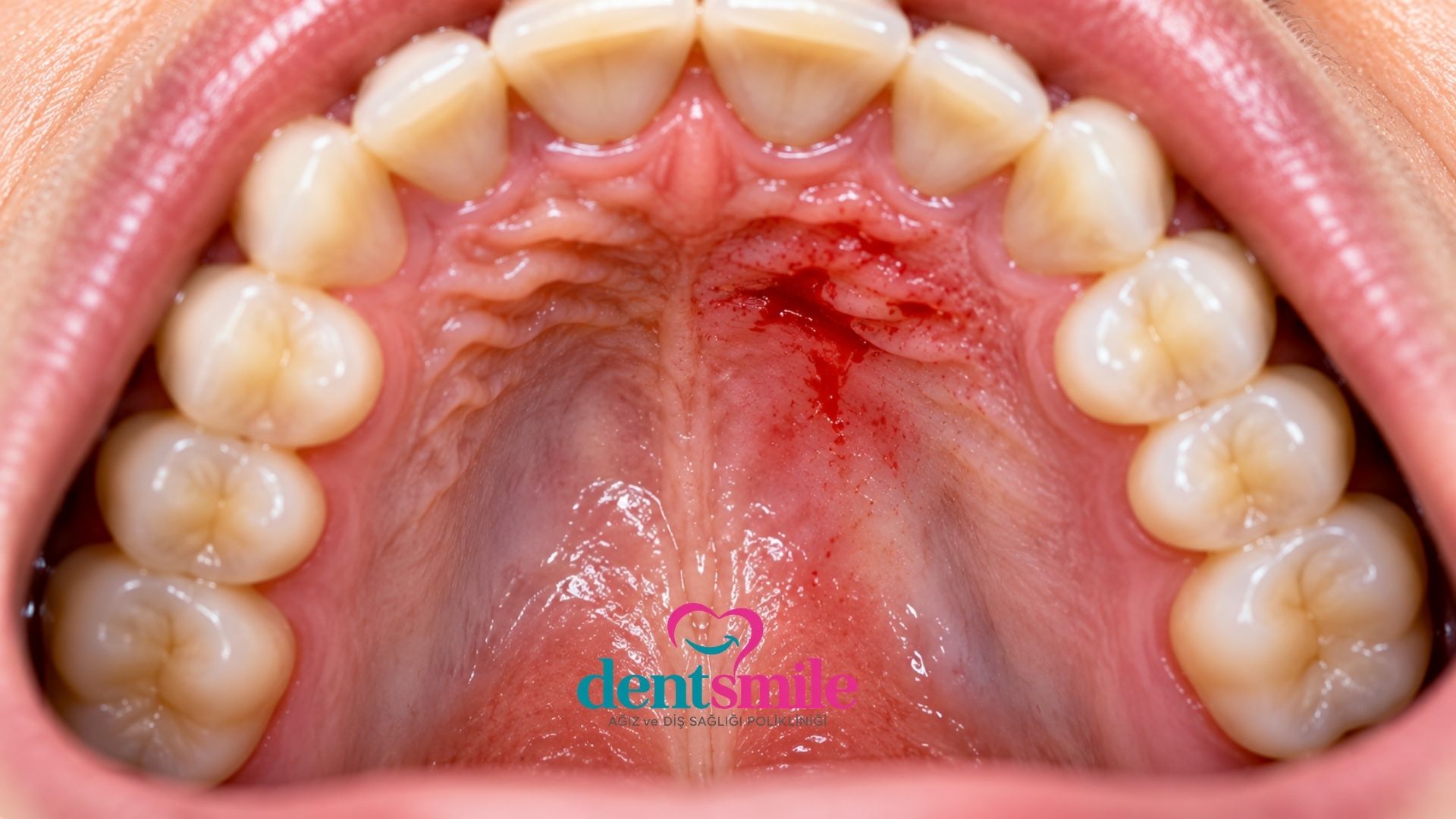
What causes bleeding from the roof of the mouth? Learn about injuries, burns, dentures, infections, and treatment options in Üsküdar.
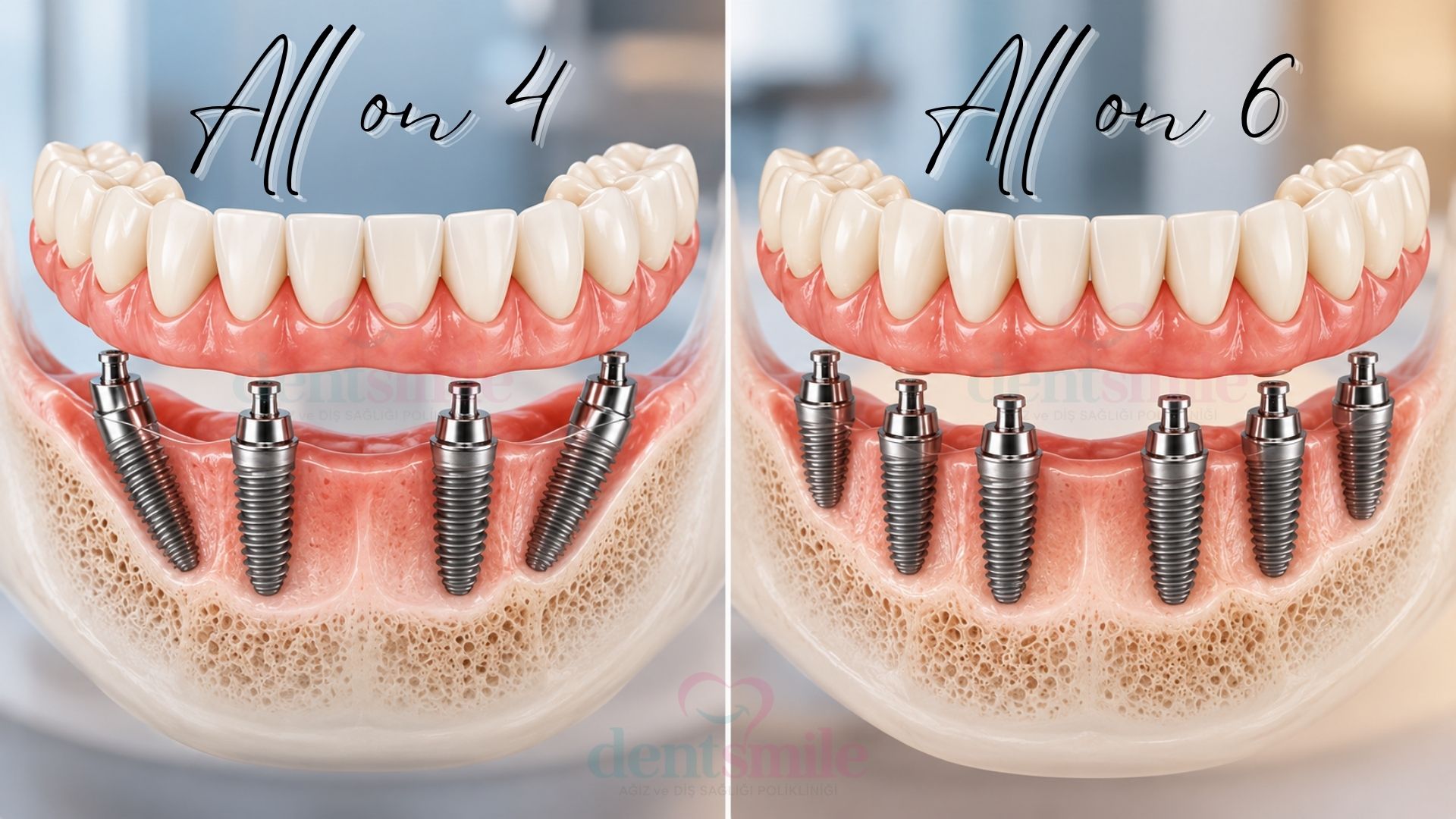
Compare All-on-4 and All-on-6 implants, including bone requirements, strength, treatment time, costs and patient suitability.

What causes bad breath and how can it be treated? Learn about oral bacteria, gum disease, dry mouth and halitosis treatment in Üsküdar.
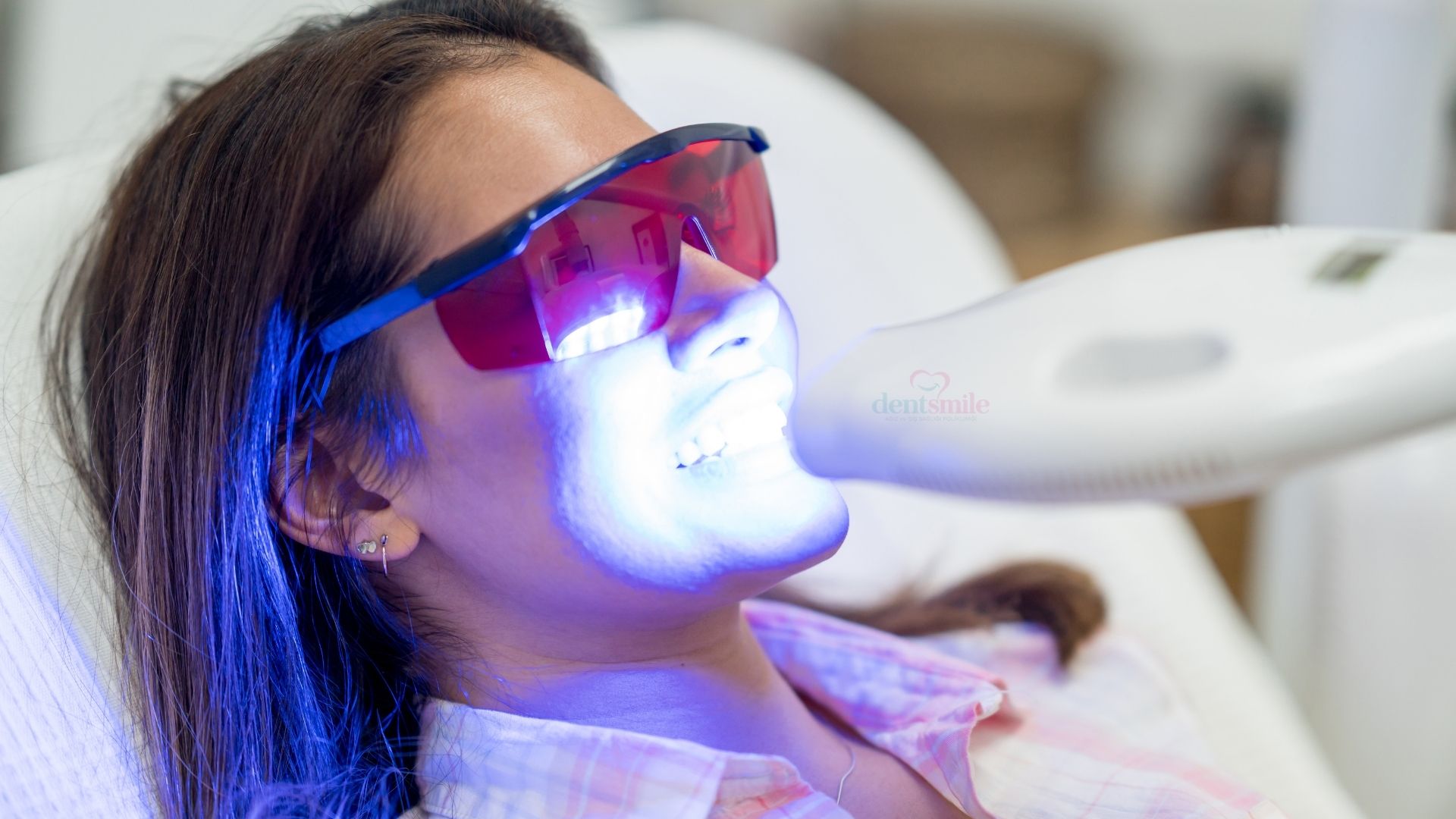
Can teeth whitening damage enamel? Learn about tooth sensitivity, gum irritation, whitening products, and professional whitening in Üsküdar.
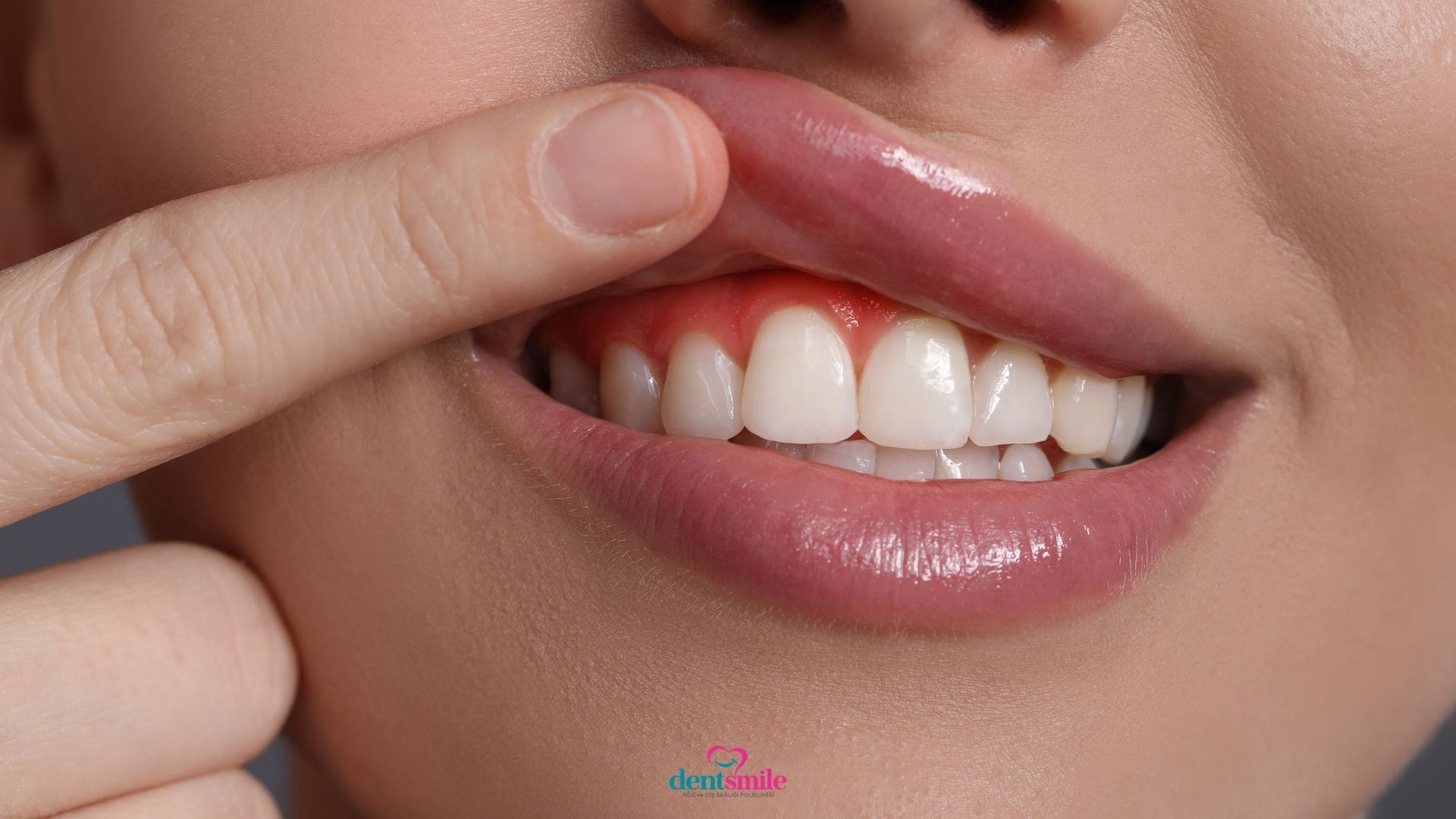
What causes bleeding gums and how can they be treated? Learn about gingivitis, tartar, periodontitis and gum treatment in Üsküdar.
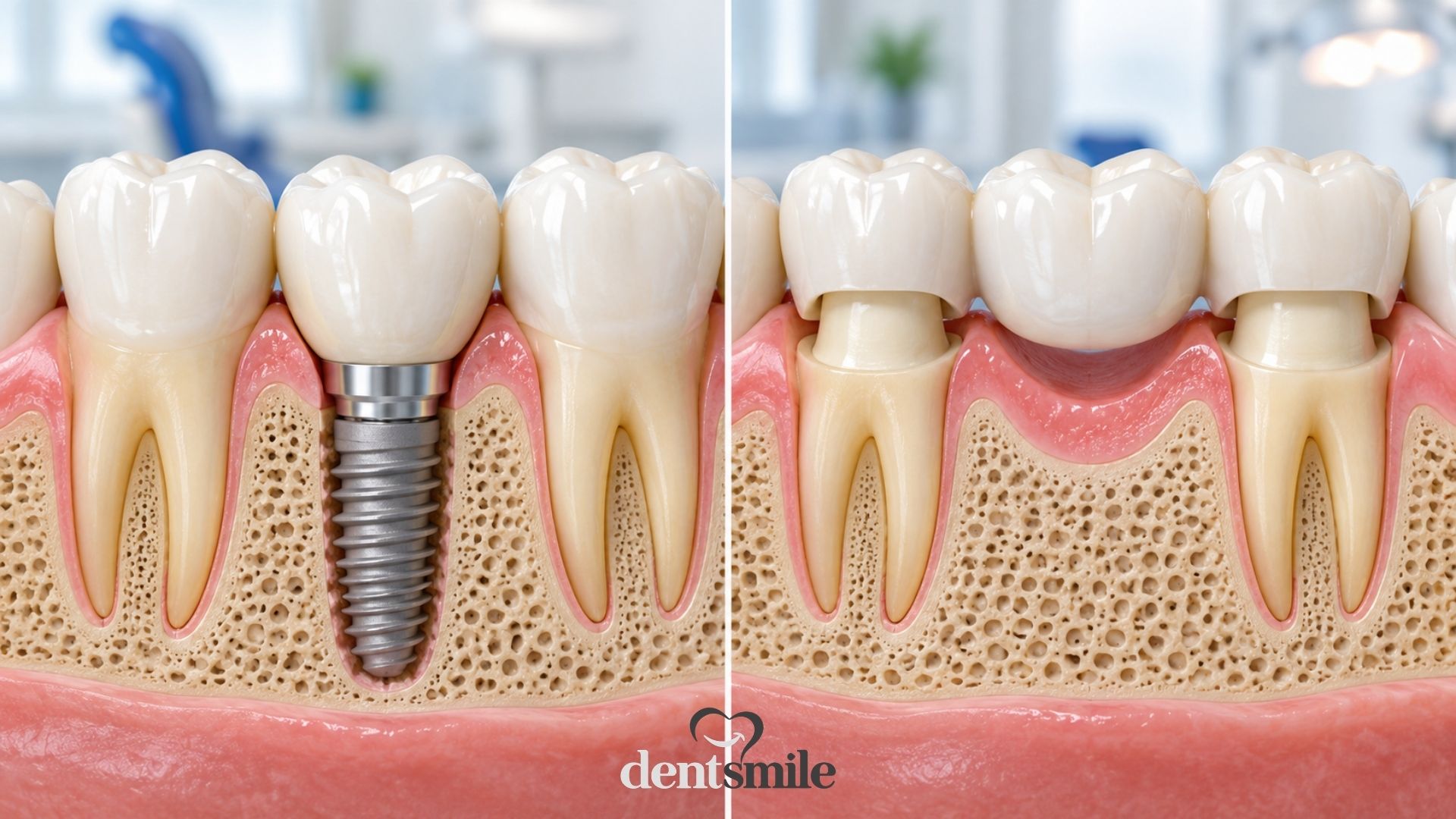
Short summary — edit.
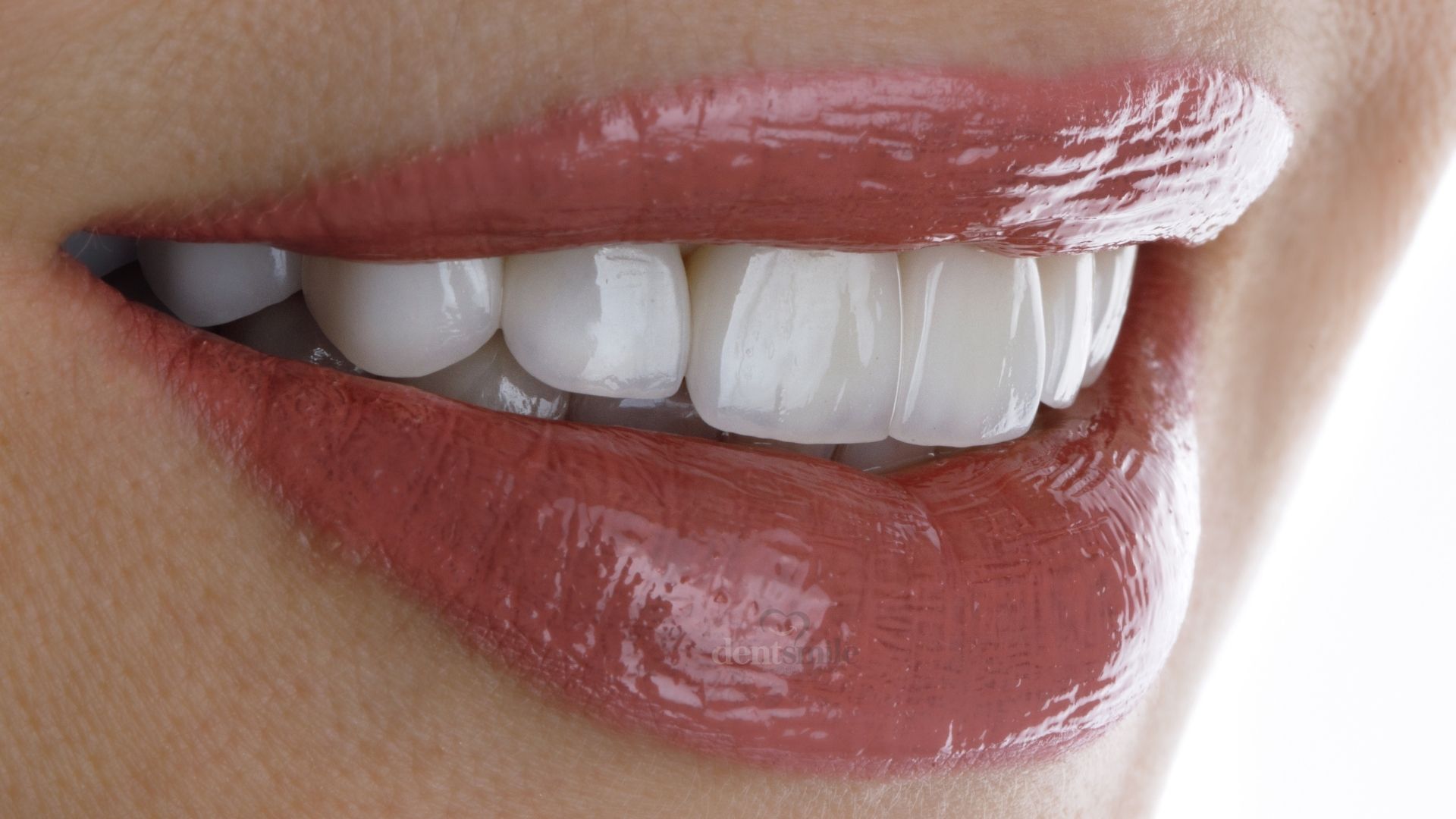
How long do cosmetic dental treatments last? Learn about porcelain veneers, zirconia crowns, bonding, whitening, and long-term care.
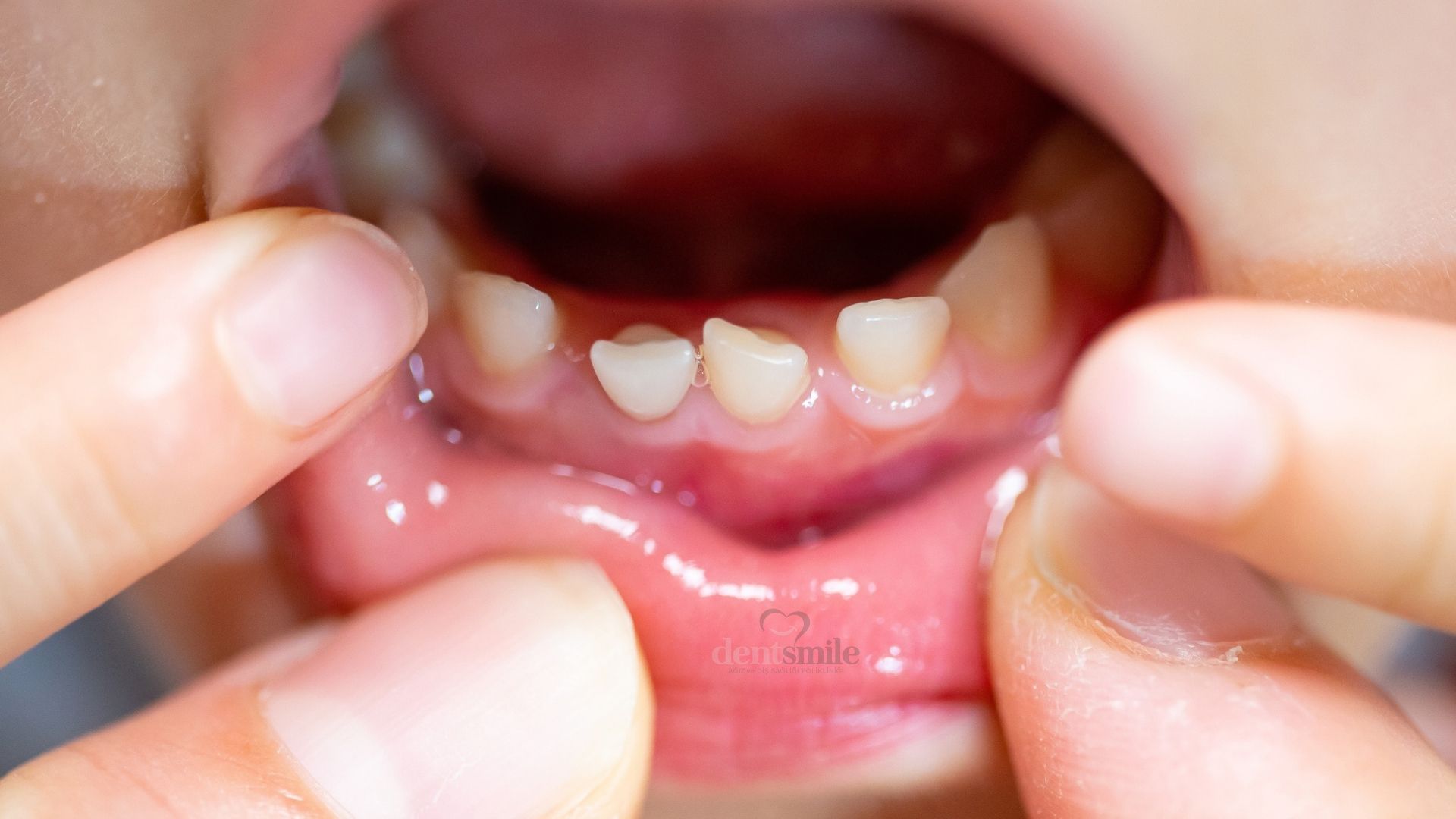
What happens if baby teeth fall out too early? Learn about premature tooth loss, permanent teeth, space maintainers, and pediatric dental care.
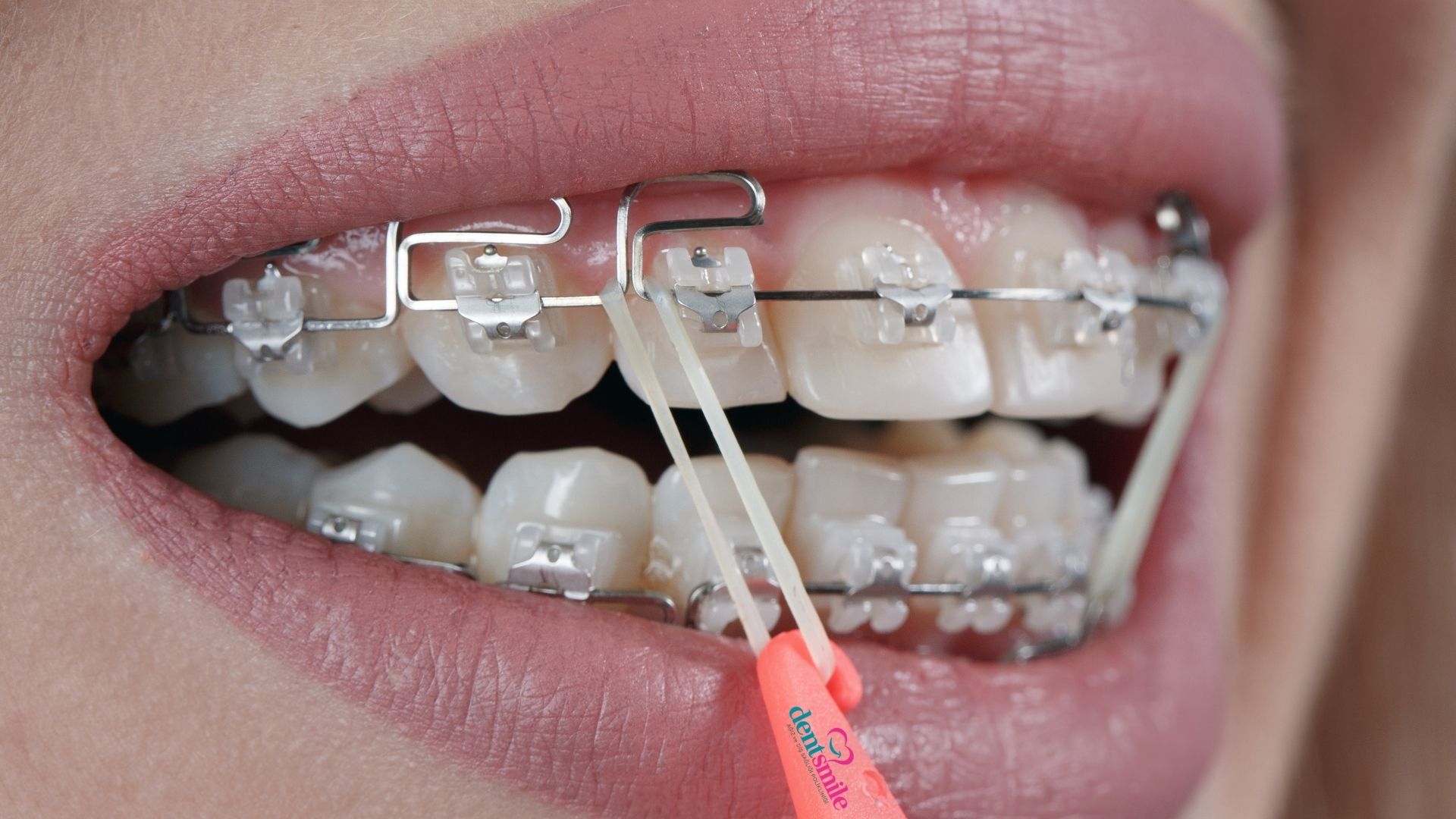
At what age should children get braces? Learn about the first orthodontic evaluation at age 7, early treatment, and braces between ages 11 and 14.

How can children develop good toothbrushing habits? Discover age-appropriate brushing, fluoride toothpaste amounts, and practical tips for parents.
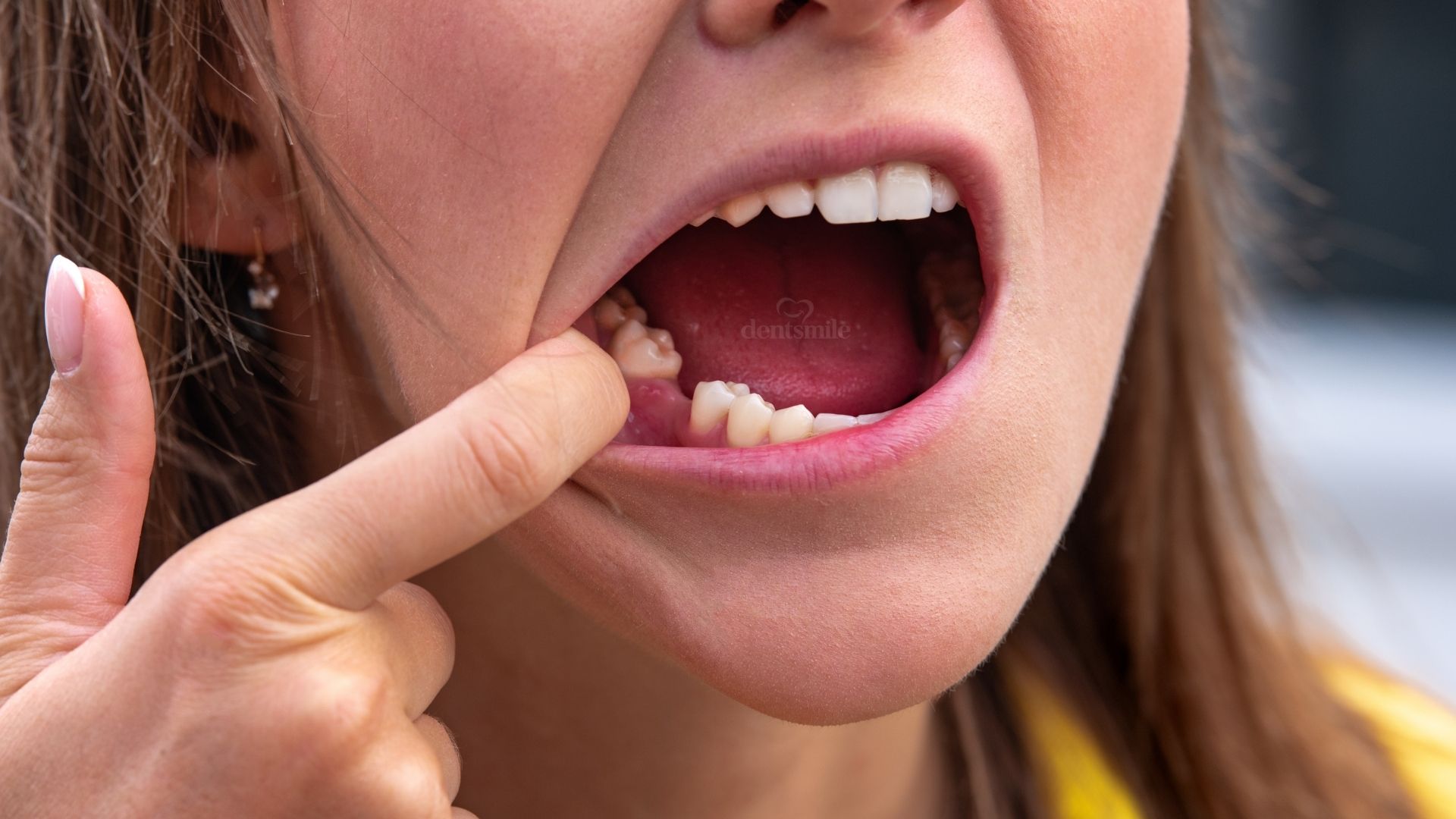
Learn what to do after tooth extraction, including eating, bleeding, brushing, smoking, pain, swelling, and important warning signs.
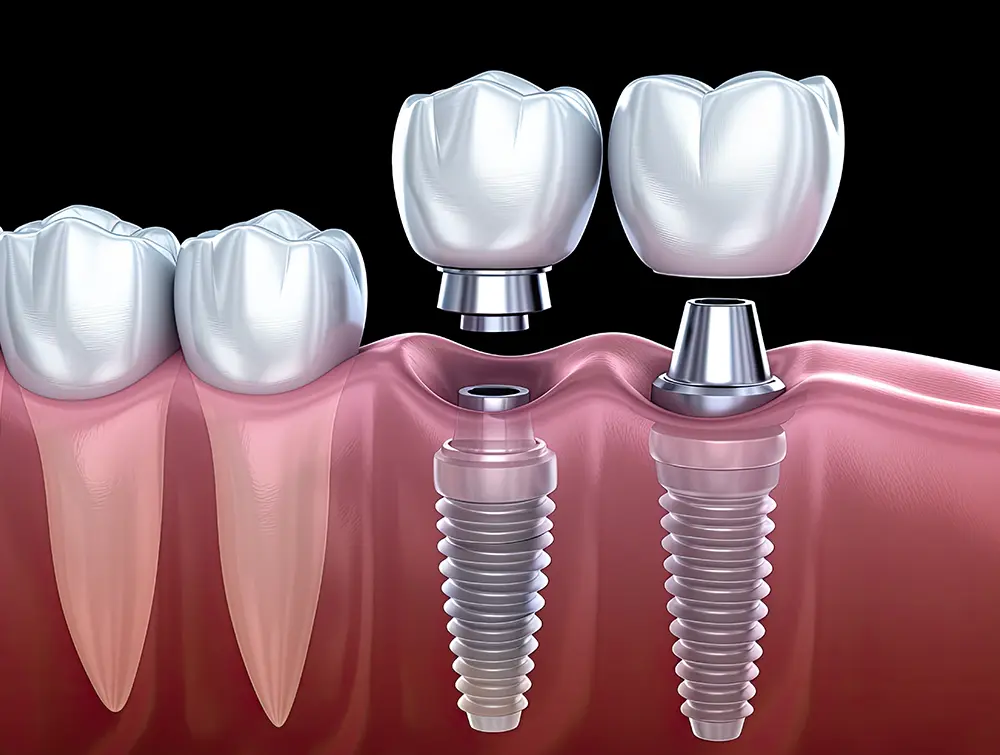
Learn how to care for dental implants after surgery, including eating, brushing, swelling, smoking, healing, and warning signs.
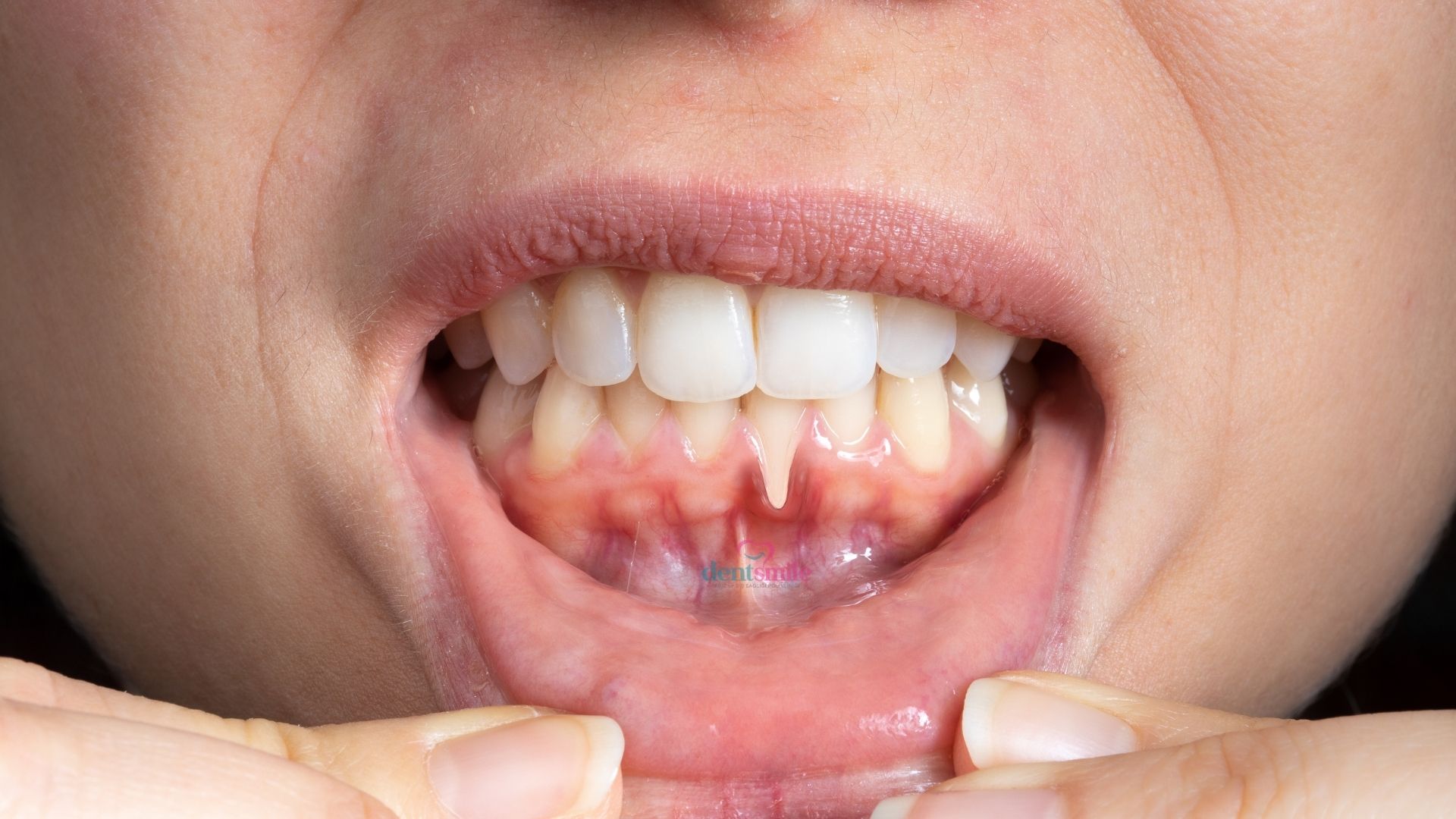
What should you do for swollen gums? Learn about home care, gingivitis, dental infections, professional treatment, and emergency warning signs.
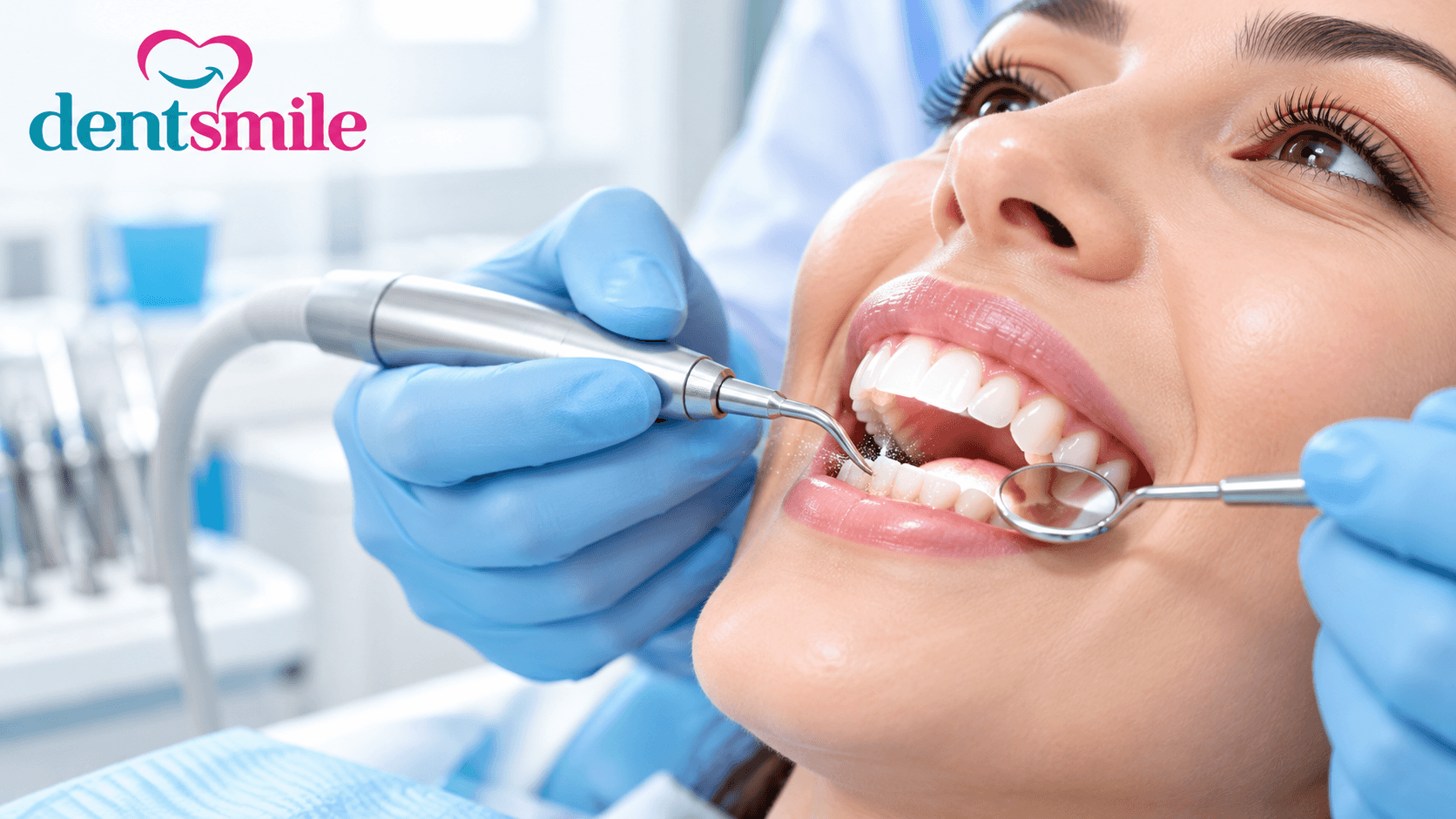
The frequency of professional dental cleaning depends on your oral hygiene, how quickly tartar builds up, and the health of your gums. A dental check-up every six months may be appropriate for many patients, but professional cleaning is not necessarily required at every visit. People with gum disease or rapid tartar accumulation may need more frequent care.
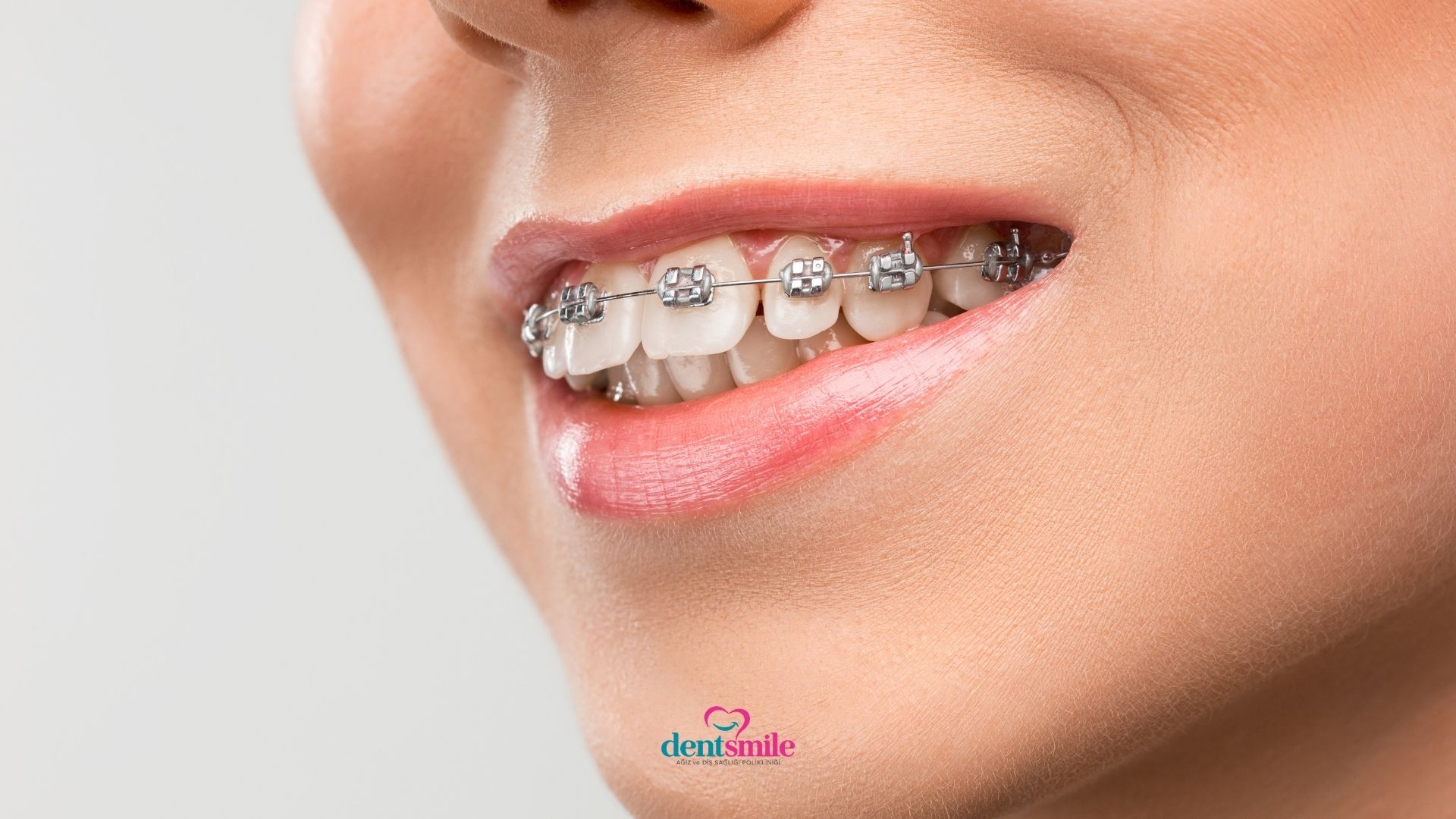
Orthodontic treatment with braces can be performed in adults, and there is no strict upper age limit for orthodontic treatment. As long as the teeth and their supporting tissues are healthy, crowded teeth and certain bite problems can also be corrected in adulthood. Treatment is planned according to the patient's dental structure, gum health, and orthodontic needs.
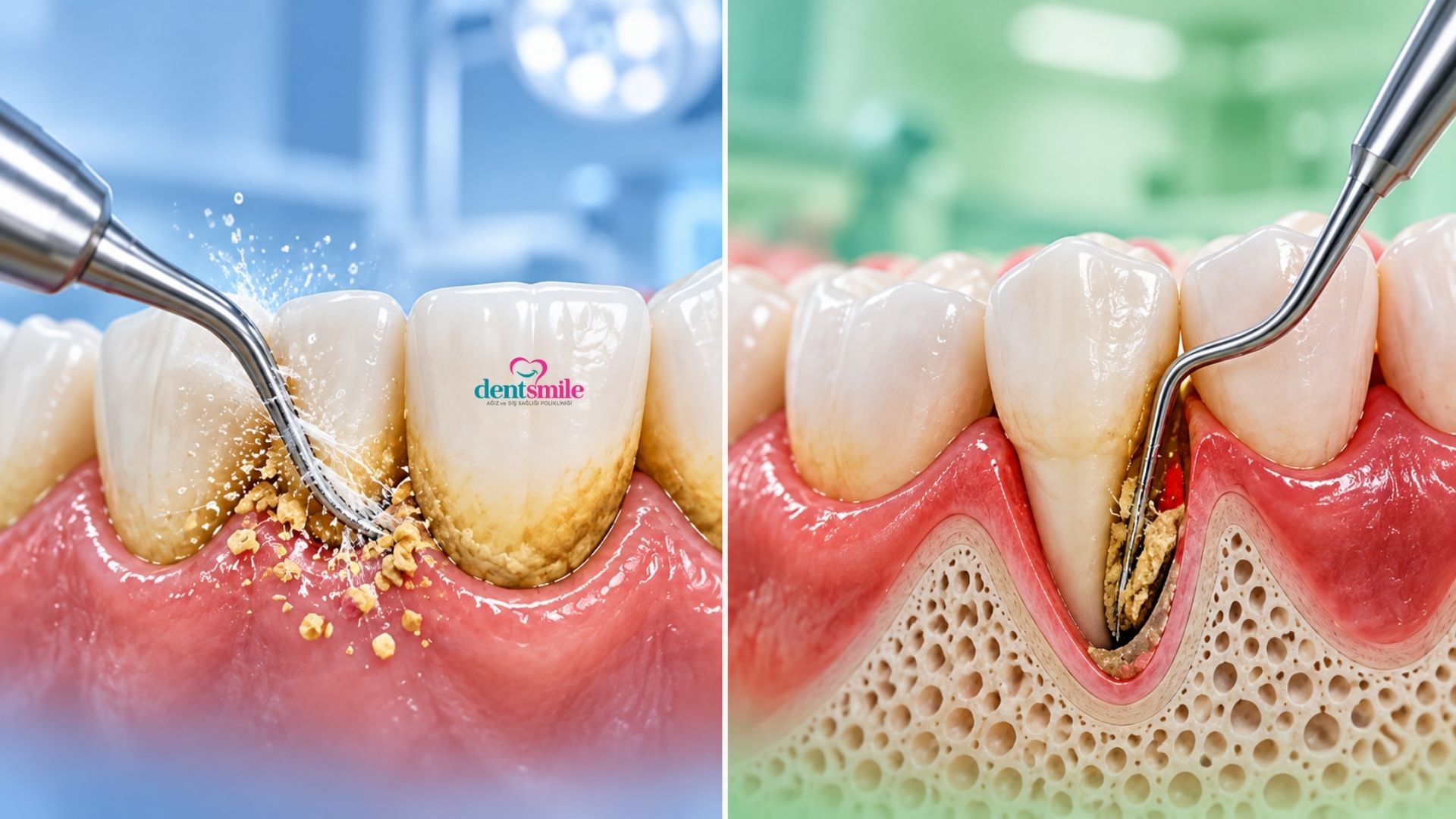
Professional teeth cleaning removes bacterial plaque and hardened tartar from tooth surfaces. What is commonly called gum curettage usually refers to deeper cleaning below the gumline and treatment of the root surfaces. The appropriate procedure depends on the patient's periodontal condition.
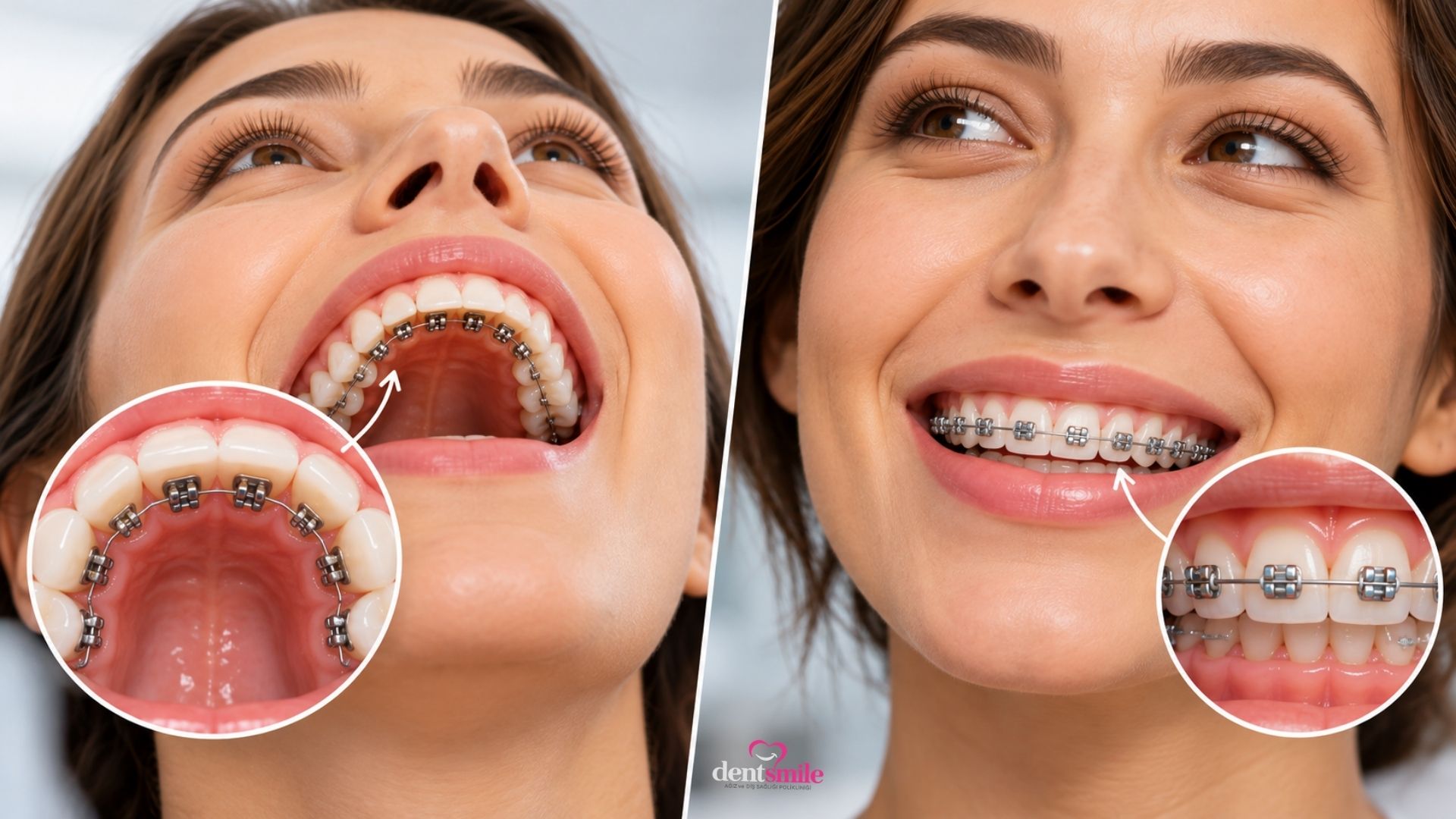
Discover the differences between lingual and traditional braces, including appearance, comfort, speech, oral hygiene, treatment duration, and cost.
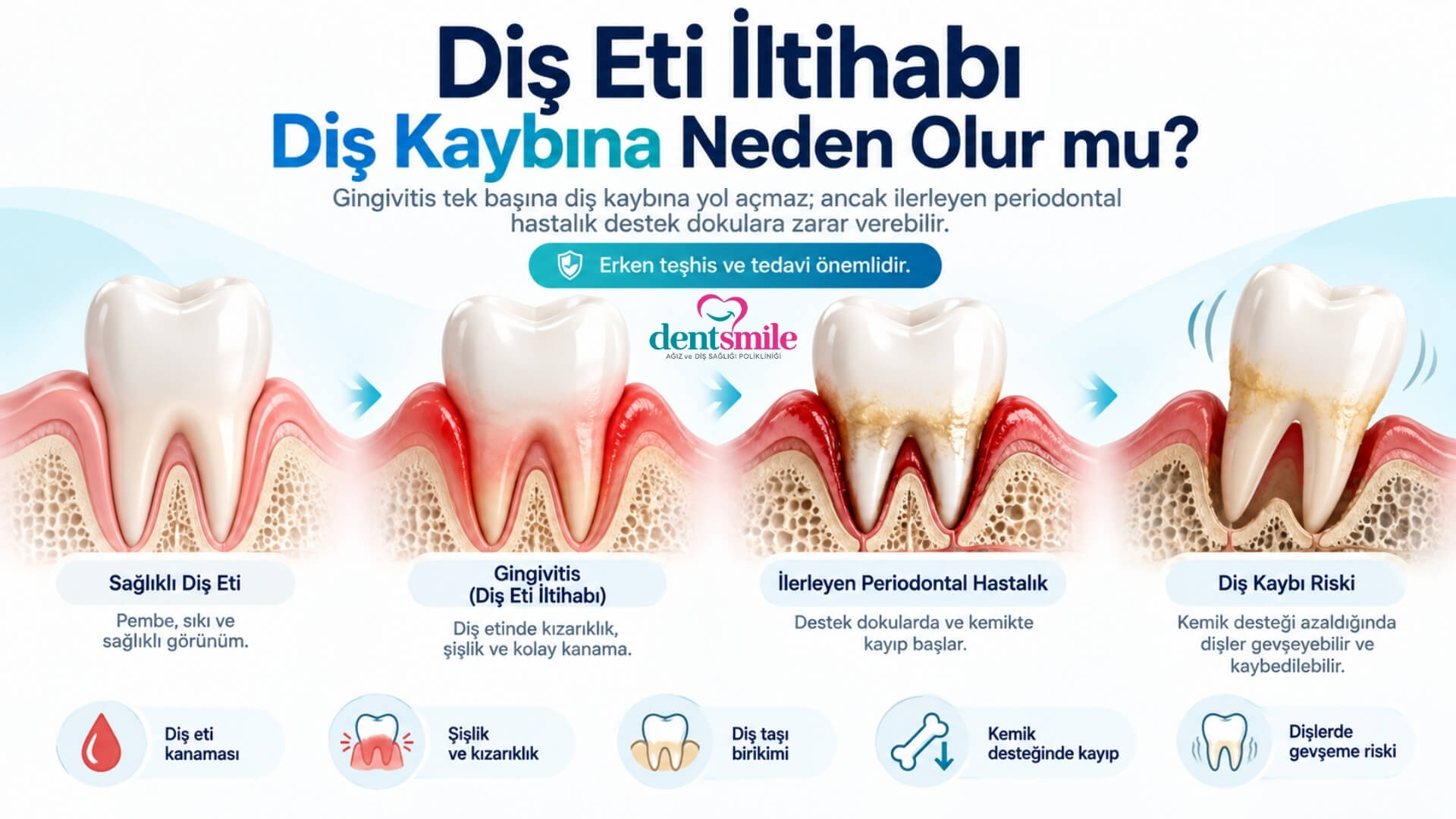
Can gingivitis lead to tooth loss? Learn the differences between gingivitis and periodontitis, warning signs, bone loss risks, and treatment options.
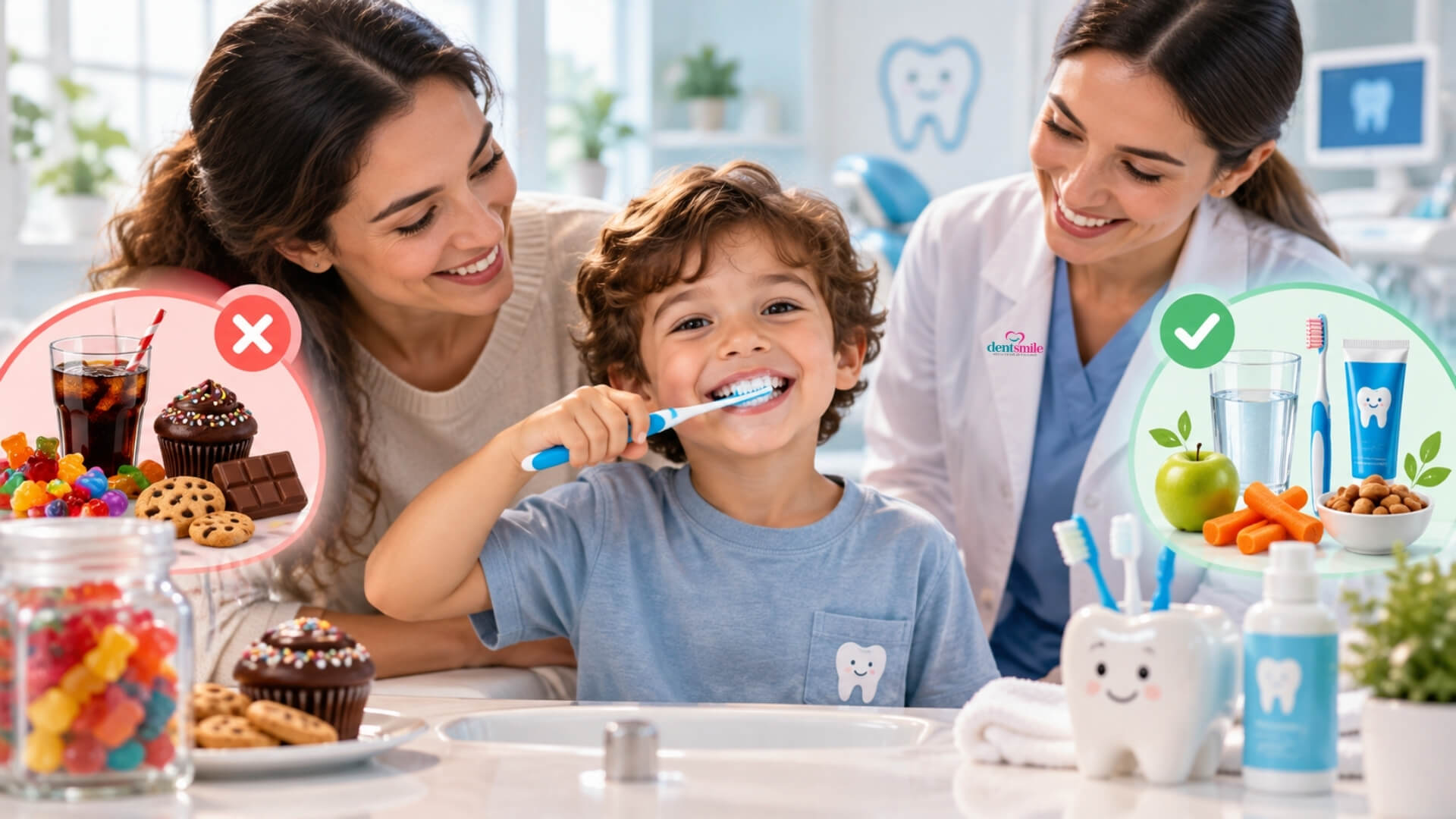
Tooth decay in children develops when bacteria in the mouth use sugars and other fermentable carbohydrates to produce acids, which cause mineral loss from the tooth surface. Frequent sugar consumption, inadequate oral hygiene, nighttime feeding habits, and insufficient fluoride exposure can increase the risk of cavities. Proper oral care, a balanced diet, and regular visits to a pediatric dentist can significantly reduce the risk of tooth decay.