
Q&A
What Should Parents Do After a Child's Tooth Extraction?
What should children avoid after tooth extraction? Learn about bleeding, eating, pain, brushing and care during the first 24 hours.
 Answered by:
Uzman Dr. Dt. Yağmur Yıldırım
Published:
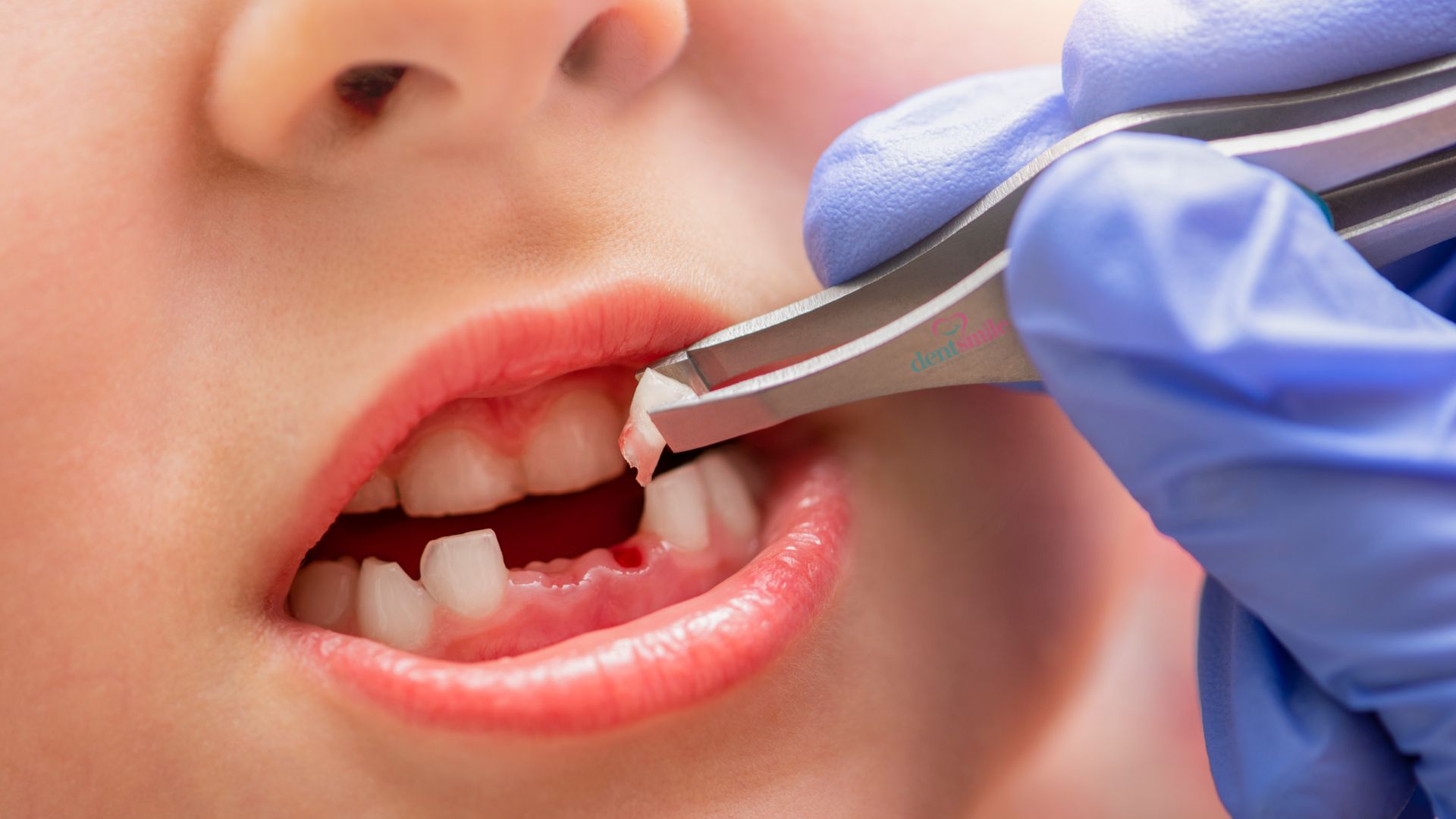
After a child's tooth extraction, it is important to control bleeding, protect the extraction site, and pay attention to eating and drinking. During the first 24 hours, vigorous rinsing, spitting, using straws, and touching the extraction area should be avoided. Children should be supervised until the local anesthetic wears off to prevent accidental biting of the lips, cheeks, or tongue. Mild pain and slight blood-tinged saliva may occur. However, persistent bleeding, increasing pain, fever, or significant swelling requires a dental examination.
What Should Parents Do After a Child's Tooth Extraction?
A tooth may need to be extracted in childhood because a baby tooth is approaching its natural shedding time or because of severe decay, infection, or trauma. After extraction, certain precautions help the tissues in the mouth heal properly.
For younger children, much of the responsibility for aftercare lies with their parents. Children may not fully understand the numb feeling caused by anesthesia. They may try to explore the extraction site with their tongue or repeatedly rinse their mouth because of the taste of blood. These actions can interfere with healing.
The main goals of aftercare are to protect the blood clot, control bleeding, reduce discomfort, and support healing. Instructions may vary depending on whether a primary or permanent tooth was extracted and how complicated the procedure was. The treating dentist's specific advice should always take priority.
How Long Does Bleeding Last After Tooth Extraction in Children?
After a tooth is removed, a blood clot forms in the empty socket. This clot protects the wound and supports the natural healing process. During the first few hours, slight oozing or pinkish saliva may be normal.
To control bleeding, the child should bite gently but firmly on the sterile gauze placed by the dentist. Continuous pressure for approximately 20–30 minutes is commonly recommended, although the exact duration depends on the procedure and the dentist's instructions.
Repeatedly lifting the gauze to check whether the bleeding has stopped may disturb the forming clot. Parents should help the child keep the gauze in place. Very young children must not be left unattended with gauze in their mouths because of the risk of swallowing or choking.
Heavy bleeding or bleeding that continues despite appropriate pressure is not normal. Parents should contact the dentist, and severe bleeding requires urgent medical attention.
When Can a Child Eat After Tooth Extraction?
The appropriate time to eat after extraction depends on the anesthesia used and the child's condition. Local anesthesia can leave the lips, cheeks, and tongue numb for a few hours. During this period, children may accidentally bite themselves without noticing.
It is safer to wait until the numbness has worn off before offering solid foods. The duration of anesthesia varies with the medication and dose. Parents should also ensure the child can swallow safely before offering water or other drinks.
For the first meals, soft foods such as yogurt, mashed potatoes, lukewarm or cool soup, and soft pasta are suitable. When possible, the child should chew on the side opposite the extraction site.
Very hot meals, hard bread crusts, crisps, and foods containing small, hard pieces should be avoided initially. Using a straw during the first 24 hours is also discouraged because suction may disturb the blood clot.
Are Pain and Swelling Normal After a Child's Tooth Extraction?
As the local anesthetic wears off, mild discomfort and tenderness may develop around the extraction site. These symptoms can be more noticeable after a difficult extraction or when the roots of a baby tooth have not fully resorbed.
Following a straightforward baby tooth extraction, pain is usually mild and gradually decreases. After surgical procedures, discomfort, swelling, or mild bruising may last for several days. Recovery differs according to the complexity of the extraction and the child's individual healing response.
When necessary, the dentist may recommend age- and weight-appropriate pain relief. Medicines such as paracetamol (acetaminophen) or ibuprofen may be suitable for some children, provided their use and dosage follow professional guidance and product instructions. Aspirin should not be given to children for post-extraction pain.
Increasing pain, substantial swelling, fever, or foul-smelling discharge warrants another dental assessment.
Can Children Rinse Their Mouths After Tooth Extraction?
Vigorous rinsing and forceful spitting should be avoided for the first 24 hours after extraction. These actions can dislodge the blood clot and cause bleeding to start again.
Children may want to rinse frequently because of the taste of blood. Parents should explain, in language suitable for the child's age, why doing so may disturb healing.
After the first 24 hours, gentle rinsing may be introduced if the dentist approves. Saltwater rinses should only be considered when the child is old enough to rinse and spit safely and the dentist recommends them.
Unsupervised use of mouthwash is not appropriate for young children. Alcohol-containing rinses or antiseptic products not prescribed by the dentist should not be applied to the extraction site.
Can Children Brush Their Teeth After an Extraction?
Oral hygiene should not be stopped completely after tooth extraction. However, the extraction socket should not be brushed directly or vigorously on the first day.
The other teeth can be cleaned carefully with a soft toothbrush, following any specific postoperative instructions. Pressure should not be applied to the wound, and the child should not touch or pick at the area.
After the first 24 hours, gentle cleaning around the extraction site can usually be resumed according to the stage of healing and the dentist's advice.
Maintaining oral hygiene helps control bacterial plaque during recovery, but the cleaning method must suit the child's age and the procedure performed.
Preventing Lip and Cheek Biting After Local Anesthesia
One important concern after pediatric tooth extraction is numbness caused by local anesthesia. Younger children in particular may be curious about the unusual sensation in their lips or cheeks and repeatedly bite the affected tissues.
Because the area is numb, they may not notice the injury. When the anesthetic wears off, swelling, sores, and pain may develop on the inside of the lip or cheek.
Parents should therefore supervise children until the numbness has completely disappeared and prevent them from chewing their lips, cheeks, or tongue.
Chewing gum or eating hard foods while the mouth remains numb should also be avoided. If the child has experienced this problem before, the dentist should be informed.
Can Children Play Sports After Tooth Extraction?
Children may feel well soon after an extraction and want to return to their usual activities. Nevertheless, strenuous physical activity is generally discouraged during the first 24 hours.
Running, jumping, football, basketball, and similar activities may increase blood pressure and the likelihood of bleeding. An accidental blow to the mouth during play may also cause the extraction site to bleed again.
After a simple primary tooth extraction, most children can return to their normal daily routine fairly quickly. More complex or surgical extractions may require a longer recovery period.
The dentist's individual recommendations should be followed, and quieter activities are preferable on the first day.
When Should Parents Contact the Dentist After Tooth Extraction?
Mild blood-tinged saliva, temporary tenderness, and limited discomfort can be expected after extraction. However, certain symptoms are not part of normal healing.
Heavy bleeding that persists or returns despite appropriate pressure, pain that becomes progressively worse, fever, foul-smelling discharge, or increasing swelling requires dental evaluation.
Difficulty drinking enough fluids, unusual weakness, or a noticeable deterioration in the child's general condition should also be taken seriously.
Rapidly increasing swelling of the face or neck, difficulty breathing, or difficulty swallowing requires emergency medical attention.
Not every symptom indicates a complication. However, worsening symptoms when improvement would normally be expected are an important reason to arrange another examination.
Is a Space Maintainer Needed After Baby Tooth Extraction?
After a child's tooth is extracted, attention should be paid not only to wound healing but also to future dental development. When primary molars are removed long before their natural shedding time, neighboring teeth may move into the empty space.
As a result, the available room for the permanent tooth may become narrower, potentially contributing to crowding or eruption problems later on.
A space maintainer is not necessary after every baby tooth extraction. The decision depends on the position of the missing tooth, the development of the permanent successor, the existing space, and the child's age.
When a space maintainer is indicated, the dentist plans its placement and follow-up. This approach aims to protect the child's long-term dental development as well as support immediate recovery.
Aftercare and Follow-Up for Children's Tooth Extractions in Üsküdar
At Dentsmile Oral and Dental Health Polyclinic in Üsküdar, Istanbul, pediatric tooth extraction planning considers the condition of the tooth, the child's age, the development of primary and permanent teeth, and the precautions needed after the procedure.
Providing parents with clear instructions about bleeding control, eating, oral hygiene, and numbness after local anesthesia is an important part of aftercare. Particularly in younger children, parental supervision helps the healing process proceed more safely.
When a baby tooth is lost prematurely, the development of the permanent teeth is evaluated, and a space maintainer or regular follow-up may be recommended if necessary.
The first 24 hours after extraction are particularly important for protecting the blood clot. Controlling bleeding, choosing suitable foods, maintaining oral hygiene carefully, and preventing the child from disturbing the extraction site all contribute to healthy healing.