
Q&A
What Should You Do After a Tooth Extraction?
Learn what to do after tooth extraction, including eating, bleeding, brushing, smoking, pain, swelling, and important warning signs.
 Answered by:
Dr Hasan Karatay
Published:
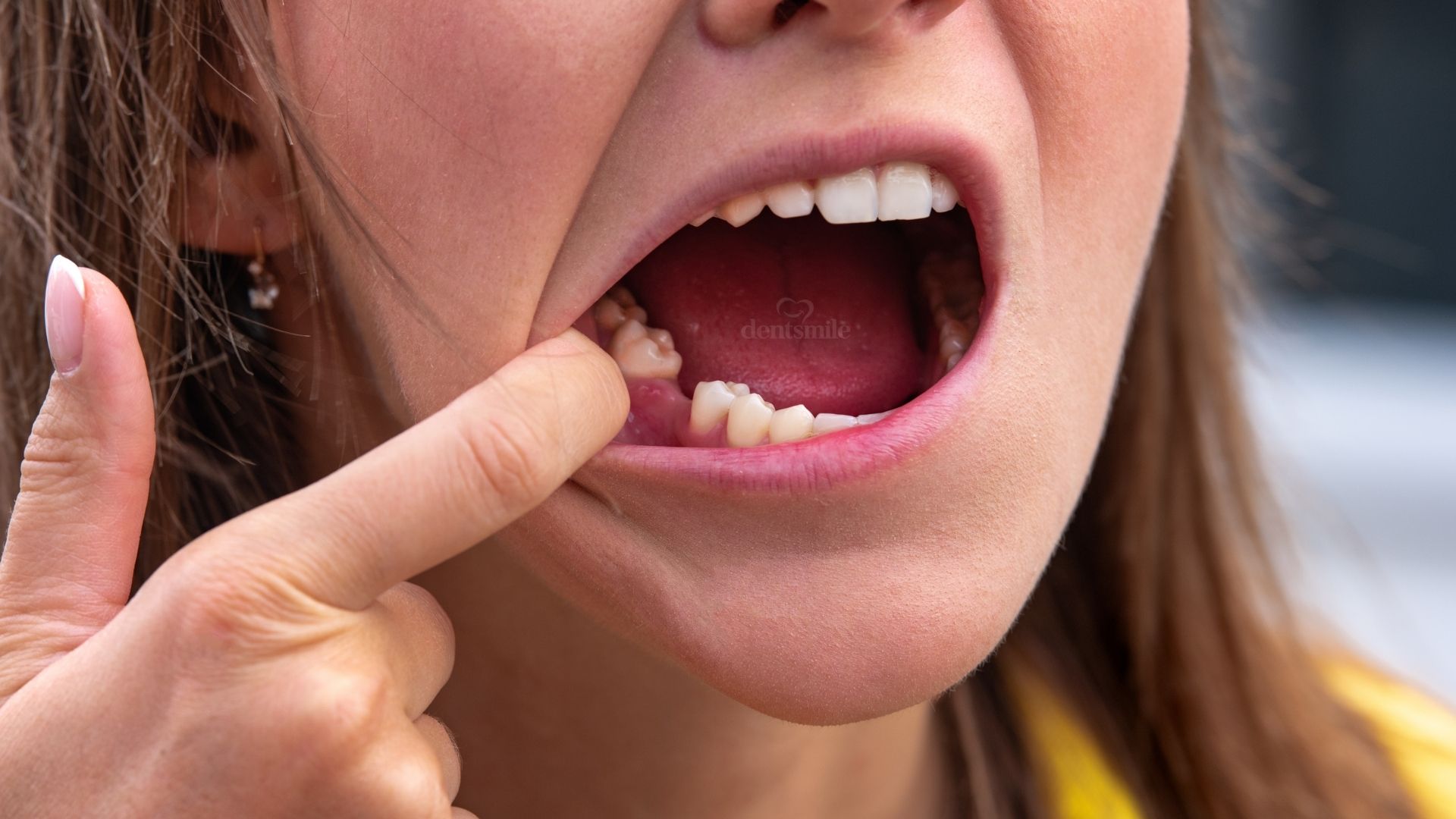
The first 24 hours after tooth extraction are important for protecting the blood clot that forms in the socket. Avoid vigorous rinsing, frequent spitting, smoking, and strenuous activity. Once numbness has worn off, choose soft foods and maintain gentle oral hygiene. Persistent bleeding, worsening pain, or increasing swelling should be assessed by a dentist.
Why Are the First 24 Hours After Tooth Extraction Important?
After a tooth is removed, a blood clot naturally forms inside the empty socket. This clot protects the underlying tissues and plays an important role in the early stages of healing. Much of the advice given after an extraction is intended to keep it in place.
During the first day, vigorous mouth rinsing, repeated spitting, or touching the socket with your tongue can disturb the clot. If your dentist has placed gauze over the area, maintain gentle, steady pressure for the recommended period. Slightly bloodstained saliva is common during the first hours, but continuous heavy bleeding is not expected and requires attention.
When Can You Eat After a Tooth Extraction?
Local anesthesia may leave the lips, cheek, or tongue numb for several hours. Avoid chewing until normal sensation returns, as you could accidentally bite the soft tissues without noticing.
During the initial recovery period, soft, cool, or lukewarm foods are generally more comfortable. Very hot meals, hard or crunchy foods, and small food particles that may become trapped in the socket are best avoided at first. When possible, chew on the opposite side of the mouth.
Using a straw is also discouraged early on because the suction may disturb the developing blood clot.
How Should You Brush and Clean Your Mouth?
Oral hygiene remains important after an extraction, but the healing socket needs to be treated carefully. The other teeth can usually be cleaned with a soft toothbrush, while direct, forceful brushing over the extraction area should be avoided during the first 24 hours.
After the first day, gentle rinsing with warm salt water may help keep the area clean if your dentist has not advised otherwise. Avoid vigorous swishing. Any prescribed mouth rinse should be used only as directed.
Smoking, Alcohol, and Physical Activity
Smoking can interfere with wound healing and increases the risk of dry socket, also called alveolar osteitis. Avoiding cigarettes and other tobacco products during recovery is therefore important. Alcohol may also cause problems during the early healing period, particularly when combined with certain prescribed medications.
Strenuous exercise, heavy lifting, and intense physical activity should be avoided on the day of the extraction because they may increase bleeding. Keeping the head slightly elevated during the first night may improve comfort for some patients.
Is Pain and Swelling Normal After an Extraction?
Some tenderness and discomfort are common following tooth removal. Swelling may be more noticeable after a surgical extraction, sometimes increasing over the first two or three days before gradually improving. Pain medication recommended by your dentist and intermittent cold compresses applied to the outside of the face may help.
However, severe pain that develops or worsens several days after extraction, sometimes radiating toward the ear or jaw, may indicate dry socket. Fever, pus, or swelling that continues to increase may suggest infection. Antibiotics should not be started without professional advice.
When Should You Contact Your Dentist?
Contact your dentist promptly if you experience bleeding that does not stop, increasingly severe pain, worsening swelling after the initial recovery period, fever, or discharge from the socket. If you take blood-thinning medication, do not stop it on your own; seek appropriate professional advice if bleeding is a concern.
Difficulty breathing or swallowing, or rapidly spreading swelling of the face or neck, requires emergency medical attention.
Tooth Extraction Aftercare in Üsküdar
At Dentsmile Oral and Dental Health Polyclinic in Üsküdar, aftercare recommendations are tailored to the type of extraction, the extent of surgery, and each patient's health needs.
The goal of post-extraction care is not simply to reduce pain. Protecting the blood clot, limiting infection risk, and supporting healthy tissue healing are equally important. Following individualized instructions and attending follow-up appointments when advised can help recovery progress safely.