Q&A
When Should Children Get Braces?
At what age should children get braces? Learn about the first orthodontic evaluation at age 7, early treatment, and braces between ages 11 and 14.
 Answered by:
Uzman Dr. Dt. Yağmur Yıldırım
Published:
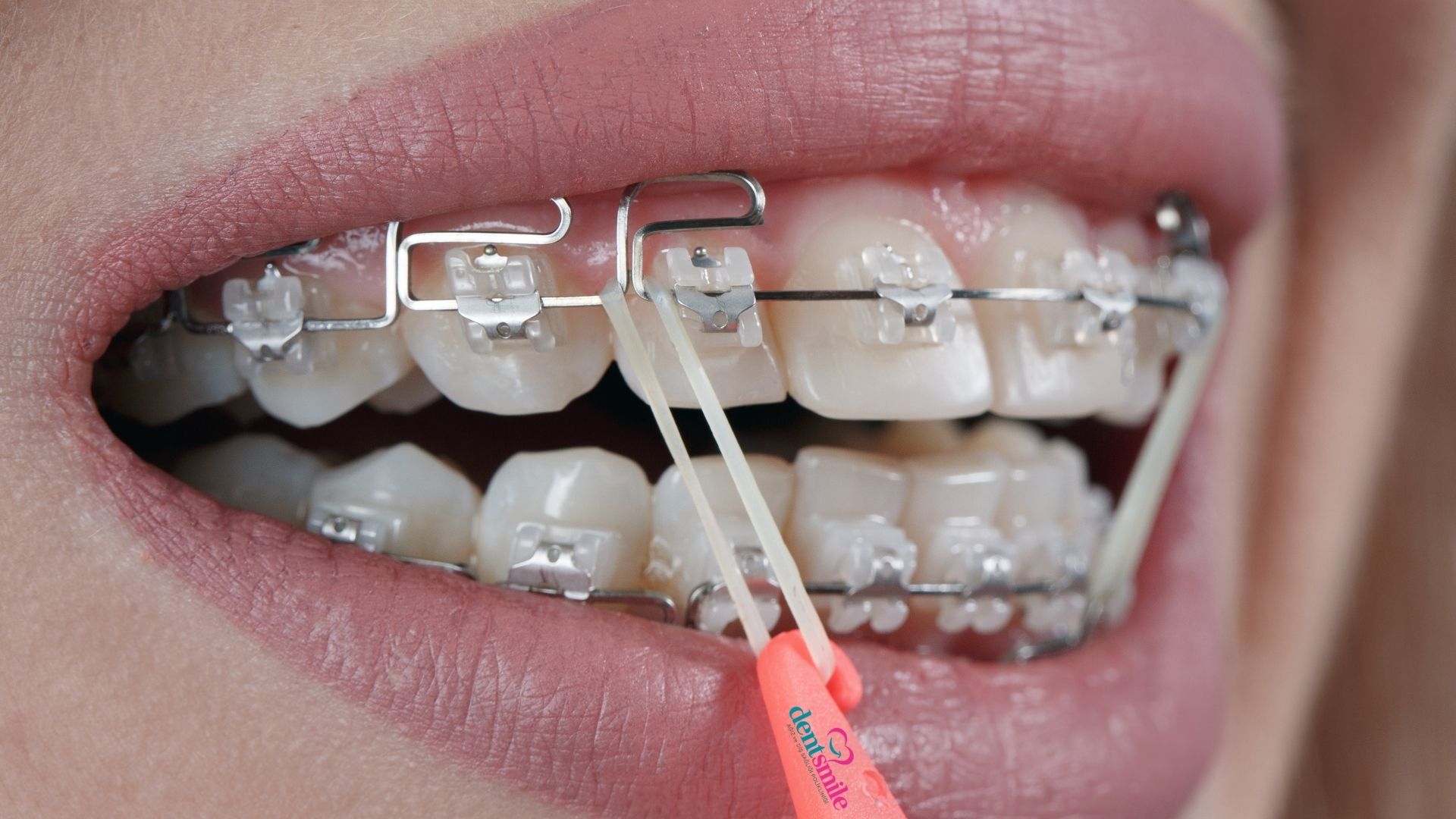
An initial orthodontic evaluation is recommended by around age 7. However, not every child needs braces at this age. Comprehensive treatment with fixed braces often begins between ages 11 and 14, when many permanent teeth have erupted. Certain jaw development and bite problems may require earlier intervention. The appropriate timing depends on the child's dental development and orthodontic needs.
When Should Children Get Braces?
Parents who notice crooked or crowded teeth in their children often wonder about the best age to start orthodontic treatment. However, there is no single age that is appropriate for every child. In some cases, waiting until most permanent teeth have erupted is the best approach. In others, early intervention may be beneficial for specific jaw development or bite problems.
Children should generally have their first orthodontic evaluation by around age 7. At this stage, baby teeth and permanent teeth are often present together, and the jaws are still growing. An orthodontist may be able to identify eruption problems or bite abnormalities that could become more significant over time.
An early assessment does not necessarily mean that braces must be fitted immediately. For many children, monitoring dental development at regular intervals is sufficient.
What Is the Best Age for Braces?
Comprehensive orthodontic treatment with fixed braces often starts between 11 and 14 years of age, when a substantial number of permanent teeth have erupted. However, the timing of tooth eruption varies from child to child. Some children may benefit from earlier treatment, while others may be better treated later.
When deciding when to begin, the orthodontist considers the severity of crowding, the relationship between the upper and lower jaws, the position of baby teeth, and the stage of skeletal growth. A child's age alone is not enough to determine the ideal treatment time.
When Might Early Orthodontic Treatment Be Necessary?
Certain orthodontic problems are best evaluated while the jaws are still developing. These may include crossbites, a narrow upper jaw, significant jaw discrepancies, problems that prevent permanent teeth from erupting normally, or prominent front teeth that may be more vulnerable to injury.
Early treatment does not always involve conventional fixed braces. Depending on the problem, orthodontists may recommend expansion appliances, removable or fixed devices, or growth-modification treatments in selected cases.
The aim is not necessarily to straighten every tooth immediately, but to address specific problems at an appropriate stage of development and potentially simplify future treatment. Early intervention does not guarantee that a second phase of orthodontic treatment will never be needed.
Can Children Wear Braces While They Still Have Baby Teeth?
Orthodontic treatment may sometimes be provided before all baby teeth have fallen out. This stage is known as the mixed dentition period. However, treatment decisions should not be based solely on teeth appearing crooked.
For example, some irregularities seen when the permanent incisors first erupt may change as the jaws grow and additional teeth appear. Conversely, an important bite problem may require treatment rather than waiting for further development.
For this reason, parents should seek an appropriate orthodontic evaluation instead of assuming that every alignment problem will resolve on its own.
How Long Does Orthodontic Treatment Take in Children?
Treatment duration varies depending on the orthodontic problem and the method used. Some early interventions are limited treatments designed to correct a particular condition. Comprehensive orthodontic treatment with fixed braces generally takes longer.
Good oral hygiene, regular follow-up appointments, and proper use of removable appliances, when prescribed, all contribute to treatment progress. Brushing and cleaning between the teeth are particularly important with fixed braces because plaque can accumulate around brackets and wires.
After active treatment is completed, retainers may be needed to help maintain the corrected tooth positions.
Children's Orthodontic Examinations in Üsküdar
At Dentsmile Oral and Dental Health Polyclinic in Üsküdar, children's orthodontic assessments consider the eruption sequence of the teeth, jaw growth, bite relationships, and overall oral health. Clinical examination, orthodontic measurements, and appropriate radiographs may be used when necessary to determine treatment needs.
Orthodontic care aims not only to achieve straighter teeth but also to support chewing function, healthy jaw development, and long-term dental health.
Not every child needs braces at age 7. However, an orthodontic evaluation by this age can help identify the most appropriate time for treatment.