
Q&A
How Long Do Zirconia Dental Crowns Last?
How long do zirconia dental crowns last? Learn about their 10–15 year lifespan, factors affecting durability and care tips at Dentsmile Üsküdar.
 Answered by:
Dr Hasan Karatay
Published:
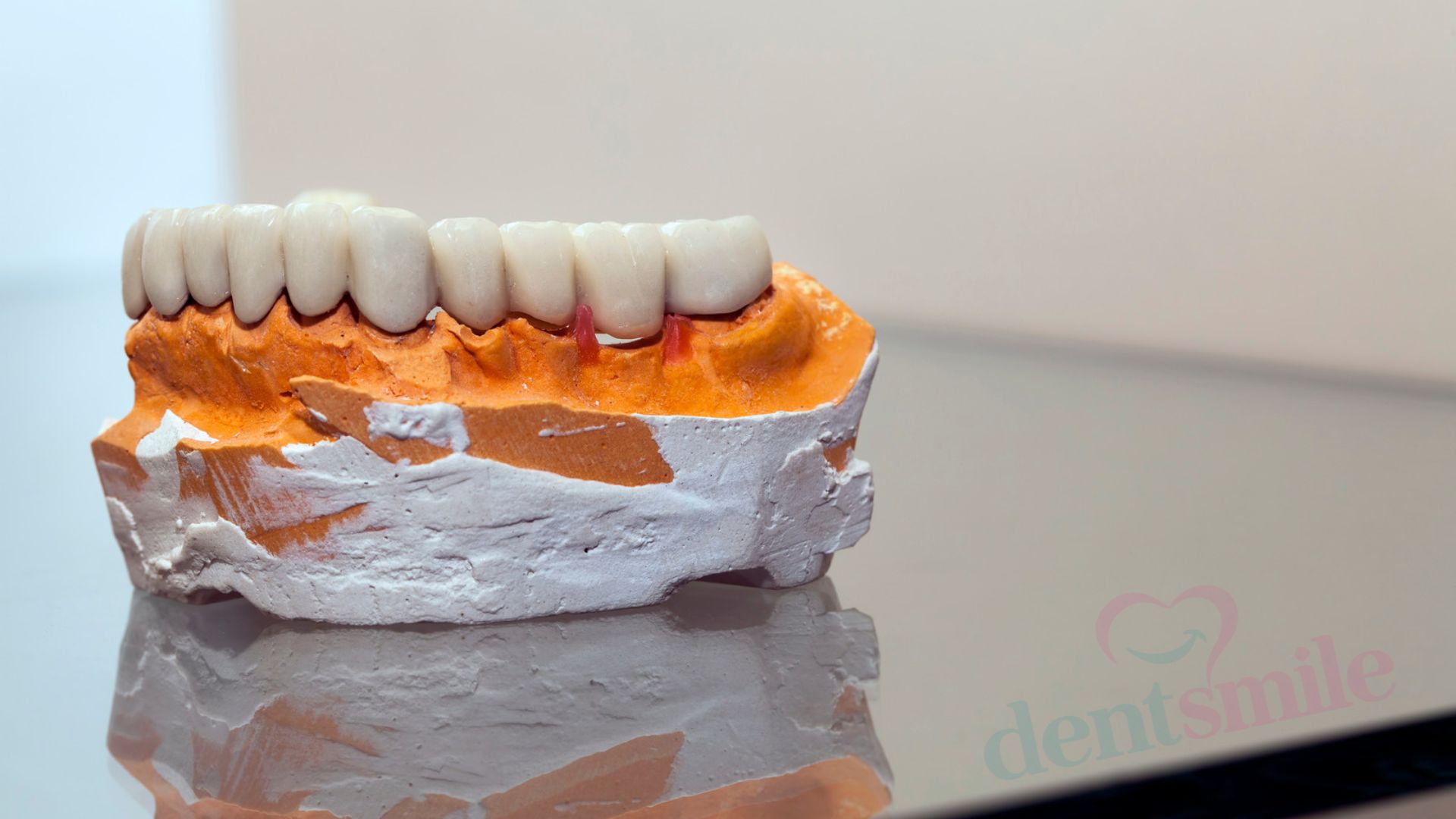
Zirconia dental crowns are durable restorations that can last for many years when properly planned and supported by regular oral care. They may last 10–15 years or even longer in some patients, although it is not possible to guarantee a specific lifespan for every crown. In addition to the strength of the restoration itself, the health of the underlying natural tooth, gum condition, chewing forces, and daily oral hygiene habits are important. Regular dental checkups help support the long-term success of zirconia crowns.
Zirconia crowns are frequently used in aesthetic and restorative dentistry because they combine a natural tooth-like appearance with high mechanical strength. Their resistance to chewing forces, particularly in the posterior teeth, is one of the reasons this material is often preferred. However, the longevity of a zirconia crown depends on more than the strength of the ceramic material. Maintaining the health of the underlying tooth and surrounding tissues is equally important.
Average Lifespan of Zirconia Dental Crowns
Under suitable conditions, zirconia crowns may last 10–15 years and sometimes longer. However, this timeframe should not be interpreted as a guaranteed lifespan for every patient. Clinical studies have reported high five-year survival rates for zirconia single crowns, with many restorations remaining functional after ten years. Nevertheless, complications such as fractures, loss of retention, or tooth decay beneath the crown may develop over time. Therefore, the factors that determine how long a crown lasts must be evaluated individually.
Factors Affecting the Lifespan of Zirconia Crowns
Long-term success depends on tooth preparation, the properties of the zirconia material, the marginal fit of the restoration, and the patient's bite. People who clench or grind their teeth may expose crowns to greater-than-normal forces. Gum disease, inadequate oral hygiene, and decay developing around the crown margins can also make replacement necessary. When recommended by the dentist, wearing a night guard may help control excessive forces.
How Can You Tell If a Zirconia Crown Needs Replacing?
Zirconia crowns do not automatically need to be replaced after a certain number of years. If the restoration remains intact, the underlying tooth is healthy, and the crown fits properly with the surrounding gums, it may continue to be used. However, cracks or fractures, loosening, pain while chewing, persistent gum bleeding, or decay around the crown margins require a dental examination. Some problems can be corrected without replacing the crown, while more extensive damage may require a new restoration.
How to Care for Zirconia Crowns to Make Them Last Longer
The same basic oral hygiene principles recommended for natural teeth also apply to zirconia crowns. Regular brushing, cleaning between the teeth, and preventing plaque accumulation around crown margins are essential. Patients should also avoid using their teeth to crack very hard objects and take appropriate precautions if they grind or clench their teeth. During routine checkups, the dentist can assess the crown's marginal fit, the surrounding gums, and the condition of the tooth underneath, helping identify potential problems early.
Zirconia Dental Crown Treatment in Üsküdar
At Dentsmile Oral and Dental Health Polyclinic in Üsküdar, Istanbul, zirconia crown treatment is planned by evaluating the condition of the teeth, gum health, bite alignment, and the patient's aesthetic expectations. Achieving harmony with natural teeth, supporting chewing function, and establishing suitable conditions for long-term use are important considerations in treatment planning.
In conclusion, zirconia dental crowns can last 10–15 years or longer with appropriate care and healthy oral conditions. However, their lifespan is not determined by the material alone. Proper placement, daily oral hygiene, and regular dental examinations can help maintain the restoration for many years.