
Q&A
Who Is Suitable for Zirconia Dental Crowns?
Zirconia dental crowns are a restorative treatment option that may be considered for patients with significant tooth structure loss, fractures, wear, or noticeable aesthetic concerns. However, this treatment may not be suitable for every patient or every tooth. The decision to proceed should be based on the current condition of the teeth, gum health, bite alignment, and the patient's aesthetic expectations.
 Answered by:
Dr Hasan Karatay
Answered by:
Dr Hasan Karatay
Published:
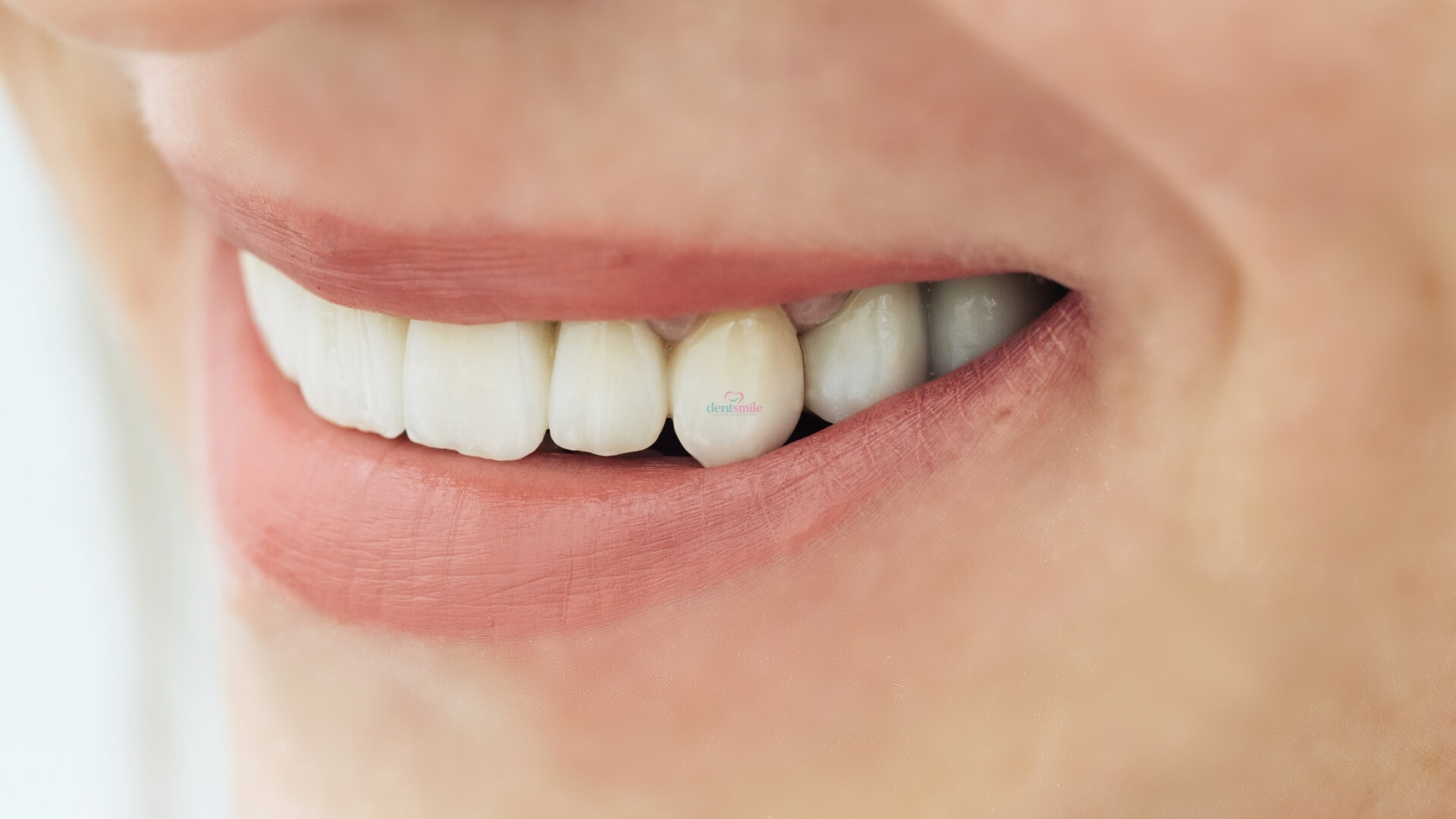
Zirconia dental crowns are a type of dental restoration made from zirconium dioxide-based ceramic materials. They may be preferred when the natural structure of a tooth has been significantly damaged or when the remaining tooth structure needs to be protected through restoration. Thanks to their aesthetic appearance and mechanical strength, zirconia crowns can be used to restore both front and back teeth.
Zirconia crowns may be considered particularly for teeth with large fillings, fractures, significant wear, or structural weakness. They can also be used to address certain aesthetic concerns and, under suitable conditions, for implant-supported restorations.
However, the suitability of zirconia crowns is not determined solely by the appearance of the teeth. The amount of healthy tooth structure that can be preserved, the tooth's ability to withstand chewing forces, and the health of the surrounding tissues are equally important.
In Which Situations Can Zirconia Crowns Be Preferred?
Zirconia crowns may be considered as one of the treatment options in the following situations:
Severe tooth fractures: When significant tooth structure has been lost and a direct filling cannot provide adequate restoration.
Teeth with large fillings: When a more extensive restoration is necessary to protect the remaining healthy tooth structure.
Significant tooth wear: When chewing function and the anatomical structure of the teeth need to be restored.
Aesthetic concerns: When problems involving tooth color, shape, or size cannot be adequately corrected with more conservative treatments.
Root canal-treated teeth: When a full crown is considered necessary due to the amount of remaining tooth structure and the risk of fracture.
Implant-supported restorations: When the implant position, prosthetic design, and other clinical conditions are suitable for zirconia.
Alternative restorative treatments should also be evaluated in each of these situations.
Are Zirconia Crowns Suitable for Front Teeth?
Zirconia crowns can be used for aesthetic restorations of front teeth. Today, zirconia materials with different levels of translucency make it possible to achieve results that closely resemble natural teeth.
However, aesthetic restoration of front teeth involves more than the color of the material. The gum line, characteristics of adjacent teeth, existing tooth color, and the amount of tooth preparation required are also important considerations.
Particularly for healthy teeth, instead of performing full crown restorations solely for aesthetic purposes, more conservative alternatives such as teeth whitening, composite bonding, or porcelain veneers should be considered first when clinically appropriate.
Can Zirconia Crowns Be Used on Back Teeth?
Yes. The mechanical properties of zirconia allow it to be used on back teeth when the appropriate material and restoration design are selected.
For molars that are exposed to substantial chewing forces, the thickness of the restoration, bite relationships, and contact with opposing teeth must be carefully planned.
However, for patients who clench or grind their teeth, choosing a durable crown material alone is not sufficient. Additional precautions may be necessary to manage chewing forces and protect the restoration over the long term.
Can Patients with Gum Problems Receive Zirconia Crowns?
Zirconia crowns are generally expected to be compatible with gum tissues. However, this does not mean that crowns can be placed immediately in all patients with active gum disease.
For patients with gingivitis, periodontitis, or significant plaque accumulation, periodontal health should be assessed first.
The marginal fit of the crown, its relationship with the gums, and the patient's oral hygiene are important for long-term tissue health. Regardless of the material used, a poorly designed or fitted restoration may contribute to plaque accumulation and gum problems.
Therefore, completing necessary periodontal treatments and bringing gum health under control are important stages of zirconia crown planning.
Are Zirconia Crowns Suitable for Every Patient?
No. Every patient has different dental structures and treatment needs.
In patients with minimal tooth structure loss, largely preserved healthy tooth tissue, or only minor aesthetic concerns, full crowns may result in unnecessary removal of natural tooth structure.
Additionally, when active cavities, untreated periodontal disease, insufficient tooth support, or unfavorable bite relationships are present, these conditions must be evaluated first.
For some patients, composite fillings, inlays and onlays, porcelain veneers, or other restorative options may be more appropriate for preserving natural tooth structure.
What Evaluations Are Performed Before Zirconia Crown Treatment?
Before treatment, the current condition of the teeth and the patient's oral health should be thoroughly examined.
During the clinical examination, the dentist evaluates cavities, existing fillings, fractures, gum health, and bite relationships. When necessary, radiographic imaging is used to obtain information about tooth roots and surrounding supporting tissues.
Restoration planning considers the amount of tooth preparation required, the adequacy of the remaining healthy tooth structure, and the characteristics of the selected zirconia material.
At Dentsmile Oral and Dental Health Polyclinic in Üsküdar, Istanbul, zirconia crown treatment is planned by considering not only the patient's aesthetic expectations but also the preservation of natural tooth structure and the long-term function of the restoration.
The fundamental approach is not to place crowns on every tooth, but to determine the most appropriate restoration method for teeth that genuinely require treatment.
Zirconia crowns can be an effective aesthetic and functional treatment option when the patient and tooth are appropriately selected. However, achieving successful results requires a combination of accurate diagnosis, appropriate material selection, careful application, and regular oral care.