
Q&A
Should a Decayed Baby Tooth Be Extracted or Treated?
Should a decayed baby tooth be extracted or treated? Learn about fillings, pulp treatment, early tooth loss and space maintainers.
 Answered by:
Uzman Dr. Dt. Yağmur Yıldırım
Published:
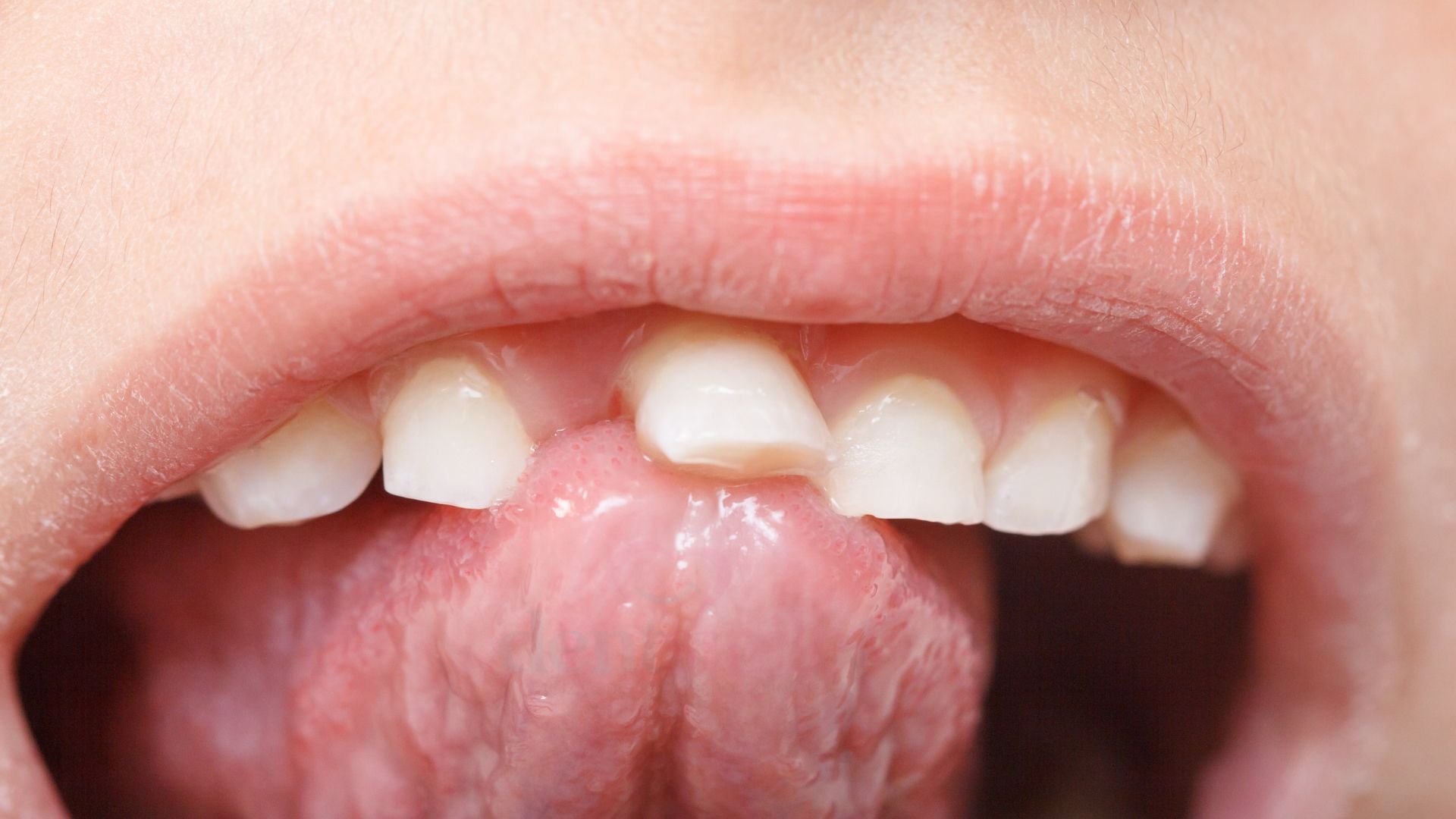
Decayed baby teeth do not always need to be extracted. Depending on the condition of the tooth, it may be possible to preserve it with a filling, pulp treatment, or another restorative procedure. Baby teeth play an important role in chewing, speaking, and guiding the eruption of permanent teeth. However, extraction may be necessary when there is extensive decay, an infection that cannot be treated, or severe loss of tooth structure. The decision should be based on the condition of the tooth and the child's dental development.
Treatment of Tooth Decay in Baby Teeth
Tooth decay in children is a common concern for parents. Because baby teeth will eventually fall out, some families may believe there is no need to treat them. However, primary teeth have several important functions, from helping children eat and speak properly to maintaining space for their permanent teeth.
The preferred approach is to treat and preserve a decayed baby tooth until its natural shedding time whenever possible. The treatment method depends on how far the decay has progressed and the overall condition of the tooth.
When decay has not reached the pulp tissue inside the tooth, the damaged tissue can be removed and a filling placed. This helps restore chewing function and prevents further progression of the cavity.
If the decay extends into deeper tissues, suitable pulp treatments may be considered after examining root development and the presence of infection. In some cases, procedures such as pulpotomy or root canal treatment can allow the primary tooth to remain in the mouth.
However, not every baby tooth can be saved. Extraction may be more appropriate if a large portion of the tooth has been destroyed, the roots are severely damaged, or an infection cannot be controlled through treatment.
Effects of Early Baby Tooth Extraction
Primary teeth help maintain the space needed for permanent teeth to erupt. Premature extraction of baby molars, in particular, may cause neighboring teeth to move into the empty space. As a result, permanent teeth may have insufficient room, potentially leading to crowding or eruption problems later on.
For this reason, a space maintainer may be considered in some children when early extraction is unavoidable. However, a space maintainer is not required after every extraction. The decision depends on the child's age, which tooth has been removed, and the developmental stage of the permanent successor.
Treatment of Decayed Baby Teeth in Üsküdar
At Dentsmile Oral and Dental Health Polyclinic in Üsküdar, Istanbul, decayed baby teeth are evaluated by considering whether the tooth can be preserved, the depth of the decay, the condition of the roots, and the development of the permanent teeth.
Treatment planning aims not only to eliminate the existing decay but also to protect the child's oral health and future dental development.
In conclusion, extraction is not always the first option for a decayed baby tooth. If the tooth can be preserved in a healthy condition, treatment is preferred. However, extraction may be necessary when the tooth cannot be saved. The most appropriate decision is made following a clinical examination by a pediatric dentist.