
Q&A
Can Adults Have Orthodontic Treatment?
Can adults have orthodontic treatment? Learn about braces, clear aligners, age considerations, treatment duration, and adult orthodontics in Üsküdar.
 Answered by:
Uzman Dr. Dt. Akif Arslan
Published:
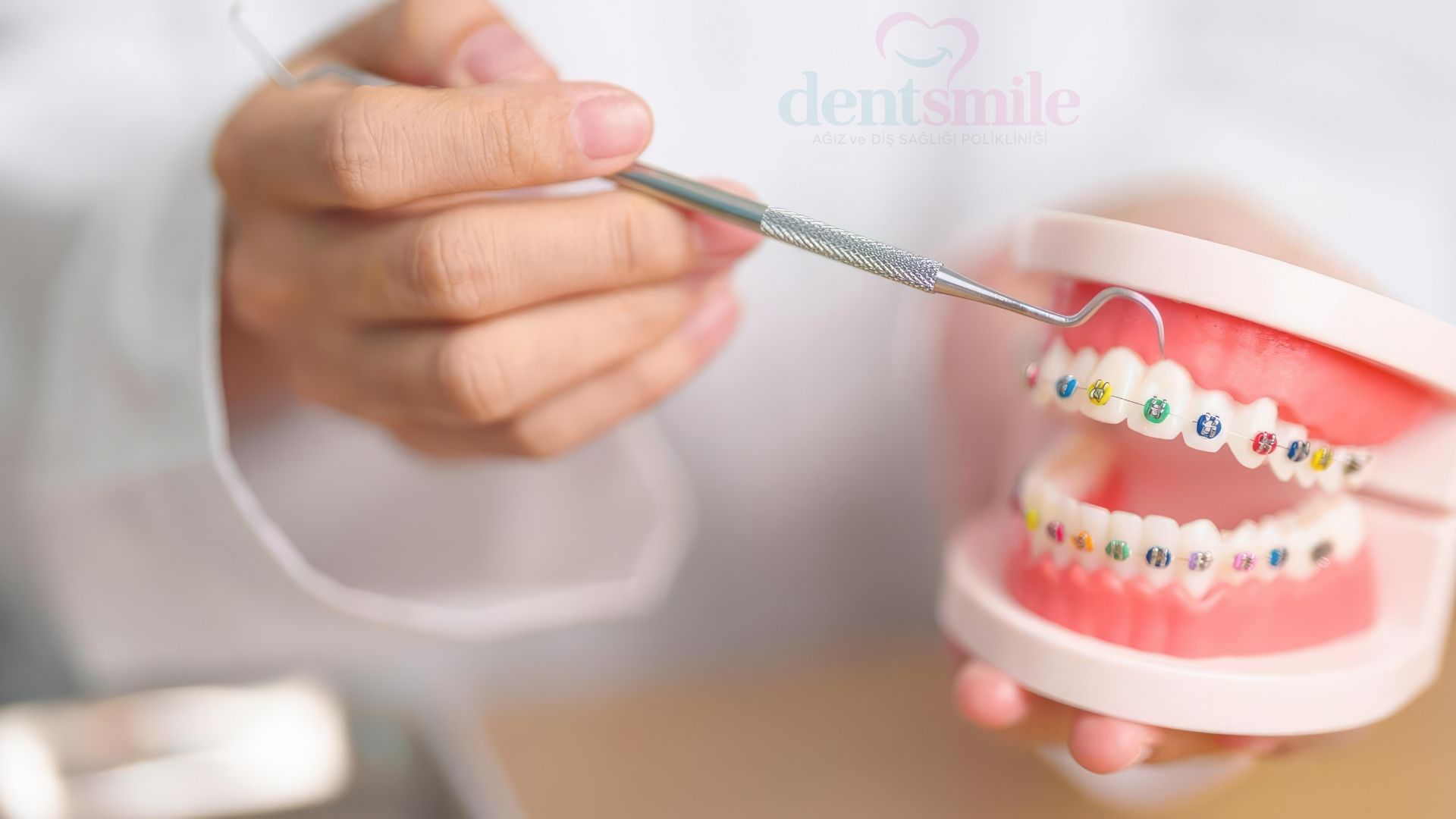
Orthodontic treatment can be performed at many ages in adulthood, provided that the teeth and gums are healthy enough. Crowded teeth, gaps, and certain bite problems can be corrected with braces or clear aligners. However, because jaw growth is complete in adults, skeletal problems may require a different treatment approach than in children. Treatment success depends on the health of the supporting tissues, the type of orthodontic problem, and patient compliance. A detailed orthodontic examination helps determine the most suitable treatment.
Can Adults Have Orthodontic Treatment?
Many people believe that orthodontic treatment is only possible during childhood or adolescence. However, adults can also receive orthodontic treatment to improve tooth alignment, correct bite problems, and achieve a more balanced smile.
Age alone is not a barrier to orthodontic treatment. As long as the bone and gum tissues supporting the teeth are sufficiently healthy, controlled tooth movement is possible in adults. Nevertheless, existing fillings, crowns, missing teeth, and periodontal health must be carefully assessed when planning treatment.
When Is Orthodontic Treatment Recommended for Adults?
Orthodontic treatment in adults is most commonly used to correct crowded teeth, close gaps between teeth, and improve the bite relationship between the upper and lower dental arches.
For some patients, tooth position can make oral hygiene more difficult. Correcting orthodontic irregularities may help make brushing and interdental cleaning easier. However, orthodontic treatment itself does not replace treatment for gum disease.
For patients with periodontal disease or active gum inflammation, the necessary periodontal treatment should be completed and the condition brought under control before orthodontic forces are applied.
Braces and Clear Aligner Treatment for Adults
Metal braces, ceramic braces, and clear aligner systems can all be used in adult orthodontic treatment. The most suitable option depends on the current positions of the teeth and the extent of the movements required.
Clear aligners may be preferred by adults with aesthetic concerns because they are removable and less noticeable. However, they need to be worn consistently for the prescribed number of hours each day.
Fixed braces are also an effective option for treating various orthodontic problems. Clear aligners cannot be considered faster or more effective than braces in every case. Treatment selection should be based on the individual patient's needs.
How Long Does Orthodontic Treatment Take for Adults?
Orthodontic treatment in adults often takes approximately 12–24 months, although mild cases may require less time and complex bite problems may take longer.
Because jaw growth is complete in adults, certain significant skeletal jaw discrepancies may require orthodontic treatment combined with orthognathic surgery.
Once treatment is completed, fixed or removable retainers are used to help maintain the new tooth positions. The retention phase is important for preserving the treatment results over the long term.
Adult Orthodontic Treatment in Üsküdar
At Dentsmile Oral and Dental Health Polyclinic in Üsküdar, Istanbul, adult orthodontic treatment is planned by evaluating tooth alignment, bite relationships, gum health, and the patient's aesthetic expectations.
Following an examination, the suitability of options such as braces or clear aligners is assessed and an individualized treatment plan is prepared.
In conclusion, orthodontic treatment is possible for adults at many different ages. The most important considerations are not age alone, but the health of the teeth and supporting tissues, an accurate assessment of the orthodontic problem, and the selection of an appropriate treatment method.