
Q&A
How Many Hours a Day Should Clear Aligners Be Worn?
How many hours should clear aligners be worn daily? Learn the 20–22 hour rule, when to remove aligners, and how inconsistent wear affects treatment.
 Answered by:
Uzman Dr. Dt. Akif Arslan
Published:
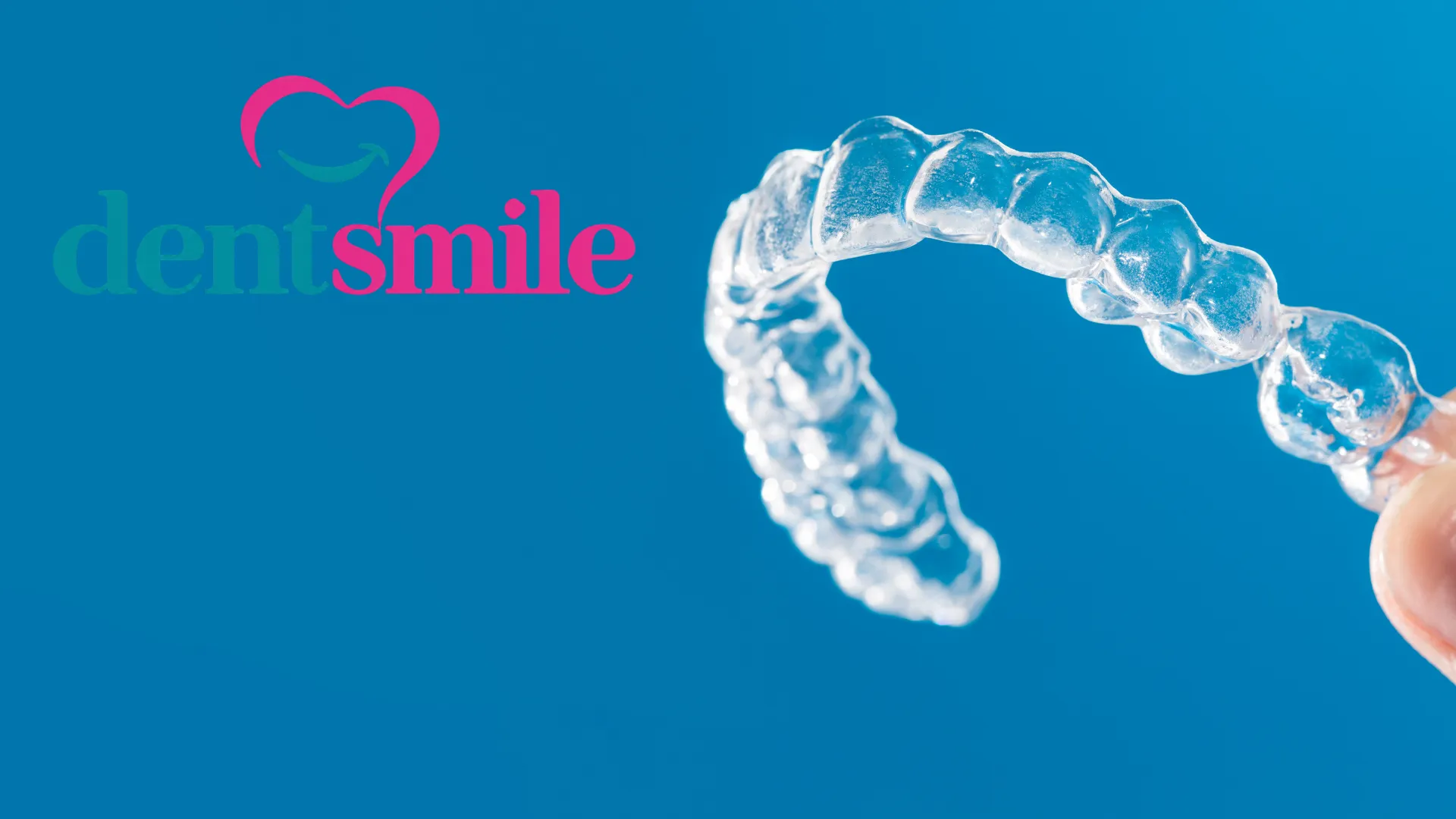
Clear aligners are generally recommended to be worn for 20–22 hours per day. Consistent wear is essential for teeth to move toward their planned positions. Aligners can be removed when eating, drinking anything other than water, and cleaning the teeth. However, leaving them out for extended periods can negatively affect tooth movement and may prolong treatment. The recommended daily wear time should follow the personalized treatment plan provided by the orthodontist.
How Many Hours a Day Should Clear Aligners Be Worn?
Clear aligner treatment is a modern orthodontic method used to correct dental crowding and certain bite problems. Unlike traditional braces, removable aligners provide greater convenience in everyday life. However, patients must wear their aligners consistently to ensure that this advantage does not compromise treatment progress.
For most clear aligner treatment plans, wearing the aligners for 20–22 hours per day is recommended. This helps teeth move in a controlled manner toward their planned positions. Wearing aligners only at night or frequently removing them during the day is generally insufficient for standard full-time clear aligner treatment.
When Should Clear Aligners Be Removed?
Clear aligners should be removed before meals and reinserted after eating and cleaning the teeth. They generally do not need to be removed when drinking plain water. However, hot drinks should be avoided while wearing aligners because heat may distort their shape.
Drinking tea, coffee, or sugary beverages while wearing aligners may also contribute to staining and plaque accumulation on tooth surfaces. For this reason, aligners should be removed when consuming beverages other than water.
Aligners should also be taken out when brushing and flossing. Once oral hygiene is complete, they should be placed back in the mouth.
What Happens If Clear Aligners Are Not Worn Enough?
During clear aligner treatment, each aligner is designed to move the teeth by a specific amount. Wearing aligners for fewer hours than prescribed may prevent teeth from reaching their planned positions.
Consequently, the next aligner may not fit properly, treatment may be delayed, or additional refinement aligners may become necessary.
Inconsistent use over several days can make treatment progress more difficult to monitor. Rather than moving to the next aligner independently, patients should consult their orthodontist if they have not followed the recommended wear schedule.
The Importance of Regular Monitoring During Clear Aligner Treatment
In addition to daily wear time, the number of days each aligner is worn is important. Some patients may change aligners weekly, while others may need to wear each set for a longer period.
Aligner change intervals depend on tooth movement, the treatment plan, and patient compliance. During regular appointments, the orthodontist evaluates how well the aligners fit and whether tooth movements are progressing as expected.
After active clear aligner treatment is completed, retainers may be recommended to maintain the new tooth positions. The wear schedule for these retainers can differ from that of active treatment aligners.
Clear Aligner Treatment and Daily Wear Time in Üsküdar
At Dentsmile Oral and Dental Health Polyclinic in Üsküdar, Istanbul, clear aligner treatment is planned by evaluating the current tooth positions, degree of crowding, bite relationships, and the patient's daily habits.
Throughout treatment, recommendations concerning daily wear time, aligner changes, and oral hygiene are tailored to the patient's individual needs.
In conclusion, clear aligners should generally be worn for 20–22 hours per day. Consistent use helps treatment progress according to plan. However, the exact wear schedule and aligner change intervals should always follow the orthodontist's personalized instructions.