
Q&A
What Should You Do If Inflammation Develops Around a Dental Implant?
What should you do if inflammation develops around an implant? Learn about peri-implantitis symptoms, causes and treatment options in Üsküdar.
 Answered by:
Dr Hasan Karatay
Published:
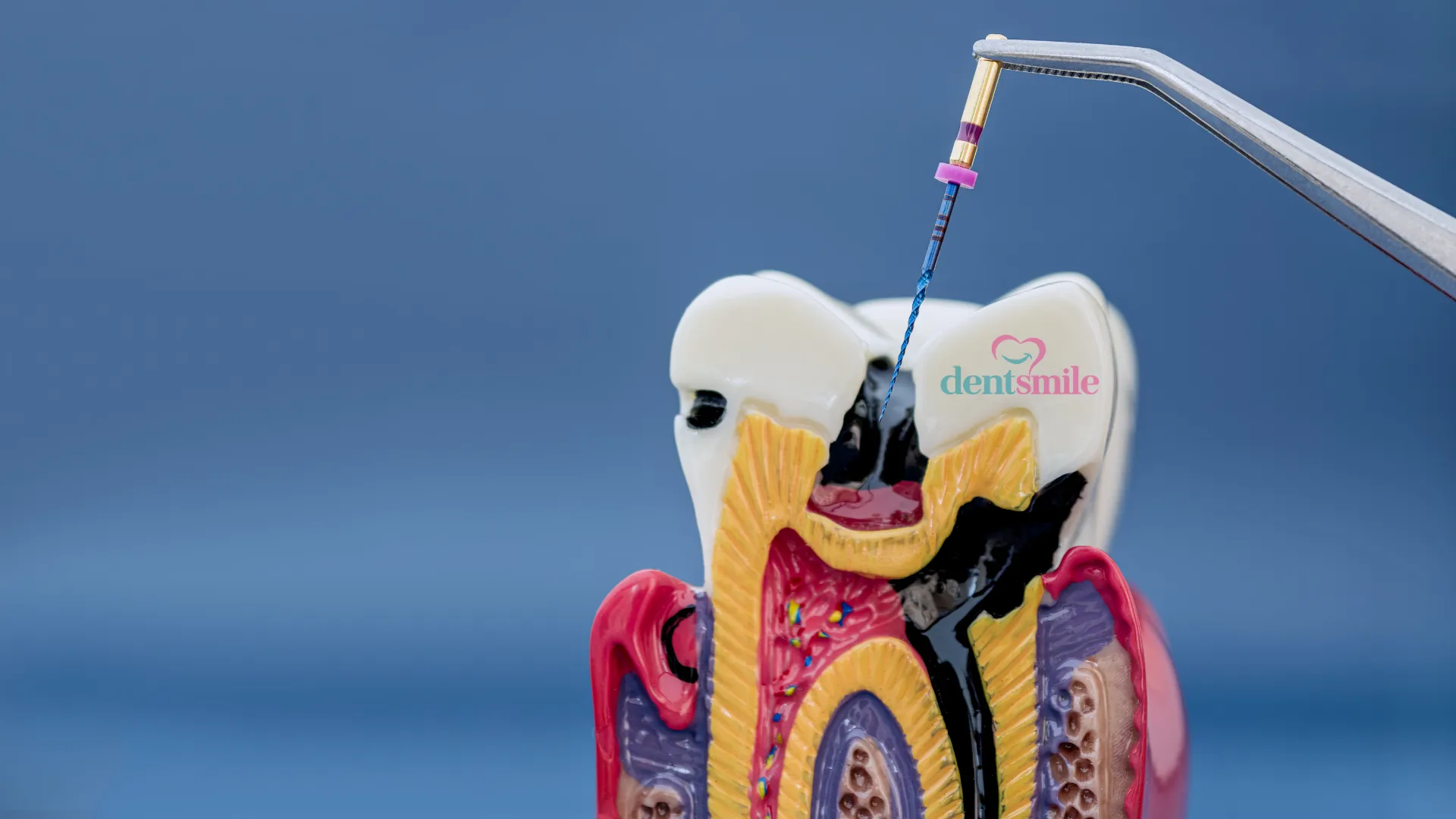
Inflammation around a dental implant is an important oral health problem that can affect the surrounding gums and supporting bone. It may cause redness, swelling, gum bleeding, tenderness, or discharge. When inflammation is limited to the soft tissues, it is known as peri-implant mucositis. When progressive loss of the supporting bone occurs, the condition is called peri-implantitis. Problems detected early can often be managed more effectively. If signs of inflammation develop around a dental implant, it is important to consult a dentist and receive treatment directed at the underlying cause.
Dental implants are used to replace missing teeth and can remain functional for many years with appropriate care. However, just like natural teeth, implants can develop inflammation in the surrounding gum and bone tissues. Bacterial plaque accumulating around an implant can gradually trigger an inflammatory response in the soft tissues. Inflammation around an implant does not automatically mean that the implant will be lost. Nevertheless, identifying the problem early and providing suitable treatment are essential for protecting the surrounding tissues.
What Causes Inflammation Around a Dental Implant?
One of the main causes of inflammation around dental implants is the accumulation of bacterial plaque on the implant and surrounding gum tissues. Inadequate oral hygiene, missed dental appointments, and difficulty cleaning around implant-supported restorations can increase this risk. Smoking, a history of periodontal disease, and poorly controlled diabetes are also important risk factors associated with peri-implant diseases. In addition, an implant-supported restoration that is difficult to clean or has certain prosthetic complications may negatively affect the health of the surrounding tissues.
The Difference Between Peri-Implant Mucositis and Peri-Implantitis
Inflammation around an implant can occur at different stages. Peri-implant mucositis is an inflammatory condition affecting the soft tissues around an implant without progressive loss of the supporting bone. Redness, swelling, and bleeding during examination may be present. Peri-implantitis is a more serious condition in which inflammation is associated with progressive loss of the bone supporting the implant. Symptoms alone are not enough to distinguish these conditions. A clinical examination, assessment of the surrounding tissues, and appropriate radiographic evaluation are necessary.
How Is Inflammation Around a Dental Implant Treated?
The first step in treatment is to identify the cause of inflammation and assess changes in the surrounding tissues. Professional removal of bacterial plaque and deposits, instruction in appropriate oral hygiene techniques, and correction of factors that make cleaning difficult are important. In cases of peri-implant mucositis, professional cleaning and consistent oral care may help control inflammation. When peri-implantitis develops, more extensive procedures to clean the implant surface and, in selected cases, surgical treatment may be required.
Antibiotics are not necessary for every case of implant inflammation. Because antibiotics alone do not eliminate bacterial biofilm, they should not be taken without professional assessment and a dentist's recommendation. In cases involving advanced bone loss, significant implant mobility, or failure to respond to treatment, removal of the implant may need to be considered.
What Should You Do If There Is Swelling or Bleeding Around an Implant?
Persistent bleeding, swelling, an unpleasant taste, discharge, or discomfort while chewing should prompt a dental examination without delay. Inflammation does not always cause pain, so the absence of pain should not be considered proof that the implant is healthy. Until the appointment, the area should be cleaned gently without applying excessive pressure, and the implant should not be manipulated or moved. Saltwater rinses and mouthwashes are not substitutes for professional treatment. Rapidly increasing facial swelling, fever, or difficulty swallowing or breathing requires urgent medical attention.
Regular Care to Prevent Inflammation Around Dental Implants
Maintaining good daily oral hygiene and continuing professional maintenance are essential for protecting the tissues surrounding dental implants. Toothbrushing, appropriate interdental cleaning, and regular checkups help control bacterial plaque accumulation. Quitting smoking, treating existing periodontal disease, and managing systemic conditions such as diabetes are also important for reducing the risk of peri-implant diseases.
Treatment of Dental Implant Inflammation in Üsküdar
At Dentsmile Oral and Dental Health Polyclinic in Üsküdar, Istanbul, patients with suspected inflammation around dental implants are evaluated by examining the gum tissues, implant stability, and surrounding bone support. Clinical examination and necessary radiographic assessments help determine whether the inflammation is limited to the soft tissues or whether bone loss has developed. Treatment is planned according to the severity of the condition and the patient's oral health.
In conclusion, a dentist should be consulted as early as possible when inflammation develops around a dental implant. Timely professional cleaning, appropriate treatment, and regular follow-up can help protect the surrounding tissues and support the long-term health of the implant.