
Q&A
Is There a Risk of Tissue Rejection with Dental Implants?
Dental implants are not normally associated with “tissue rejection” in the same sense as organ transplants. However, an implant may fail to integrate with the jawbone or may be lost over time due to factors such as infection, bone condition, smoking, excessive loading and poor oral hygiene.
 Answered by:
Dr Sema Tekin
Answered by:
Dr Sema Tekin
Published:
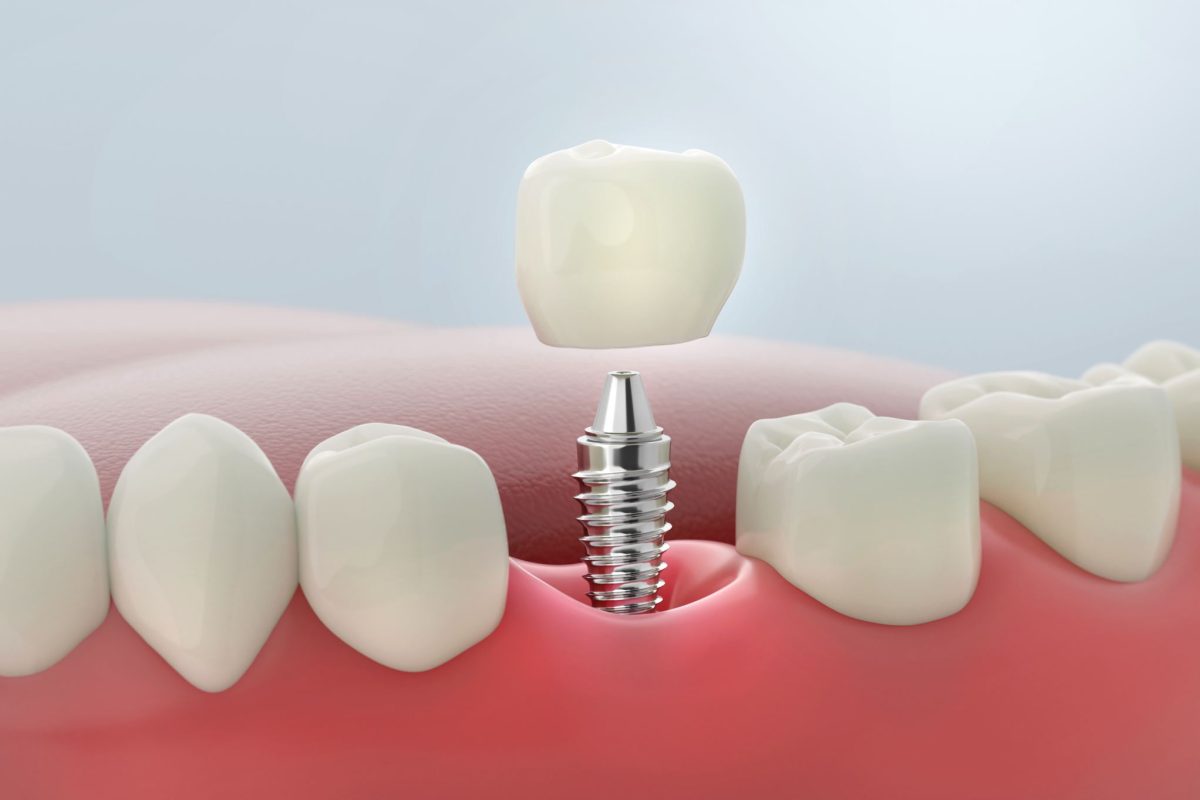
One of the common concerns among patients considering dental implant treatment is whether the body can recognize the implant as a foreign material and reject it. Titanium, which is widely used for dental implants, is a biocompatible material. Therefore, immune-mediated tissue rejection associated with organ or tissue transplantation is not the same as dental implant failure.
After an implant is placed, the desired biological process is called osseointegration. This refers to the formation of a stable connection between the implant surface and the surrounding jawbone. In some patients, this integration may not develop as expected. An implant that initially integrates successfully may also lose support later due to problems affecting the surrounding tissues.
Patients sometimes describe this situation as “my body rejected the implant.” In reality, there are usually other underlying factors that need to be investigated.
Factors that may negatively affect implant integration include insufficient bone volume or quality, infection in the treatment area, uncontrolled gum disease, smoking, excessive loading during the healing period and inadequate oral hygiene. The patient's general health and certain medications should also be considered during treatment planning.
The health of the tissues surrounding the implant is equally important for long-term success. Plaque accumulation can lead to inflammation around an implant. If this condition progresses, loss of supporting bone may occur and the stability of the implant can eventually be affected.
For this reason, implant treatment does not end when the implant is placed into the jawbone. Good oral hygiene, proper cleaning around the implant and regular dental check-ups are important for maintaining implant health over the long term.
At Dentsmile Oral and Dental Health Clinic, located in Üsküdar, implant treatment is planned by evaluating the patient's jawbone structure, gum health, existing infections, general health and the anatomical characteristics of the treatment area. The aim is not only to place the implant successfully but also to maintain healthy function with the surrounding bone and gum tissues over time.
In summary, it is not medically accurate to describe dental implant failure as classic “tissue rejection.” An implant may fail to integrate or may be lost later, but the underlying cause should be evaluated clinically and radiographically. Persistent pain, swelling, discharge or mobility around an implant should be assessed by a dentist without unnecessary delay.