
Q&A
How Should You Care for Your Mouth After Dental Implant Surgery?
Learn how to care for dental implants after surgery, including eating, brushing, swelling, smoking, healing, and warning signs.
 Answered by:
Dr Hasan Karatay
Published:
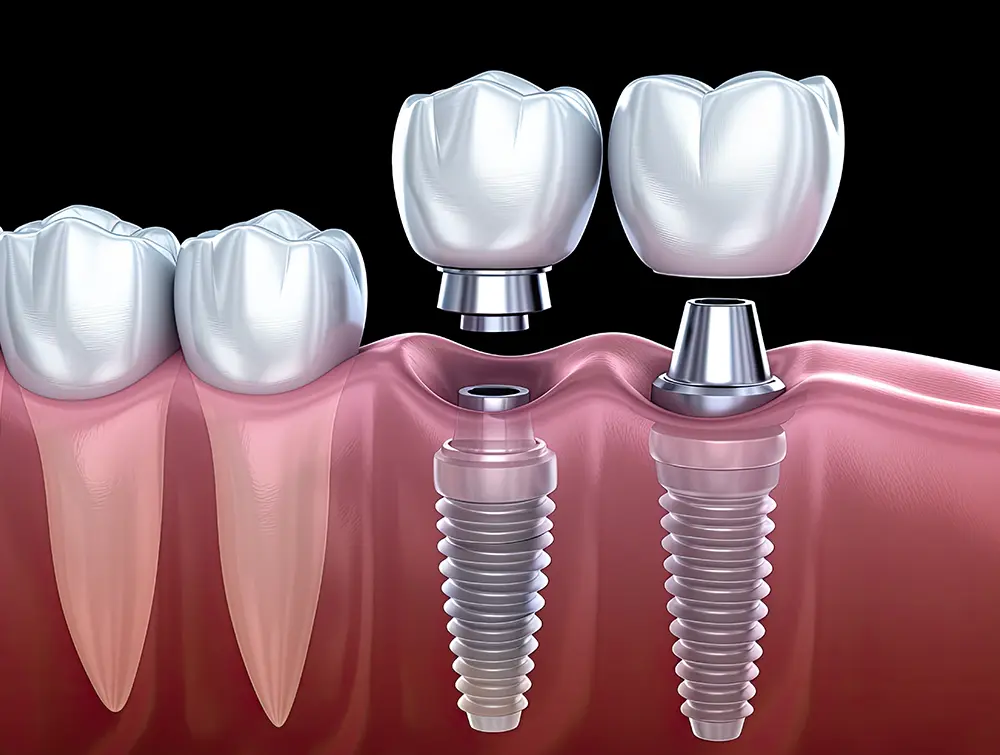
Proper aftercare following dental implant surgery is important for wound healing and the implant's integration with the jawbone. During the first 24 hours, protect the blood clot, follow dietary instructions, maintain gentle oral hygiene, and avoid smoking. Increasing pain, persistent bleeding, or worsening swelling should be assessed by your dentist.
What Should You Do During the First 24 Hours After Implant Surgery?
Once a dental implant has been placed, the tissues surrounding the surgical site begin to heal. The first day is particularly important because the blood clot needs to remain undisturbed and unnecessary irritation should be avoided. Mild oozing, tenderness, and swelling may occur after the procedure. The extent of these symptoms depends on the surgery performed and the patient's healing response.
During the first 24 hours, avoid vigorous mouth rinsing, repeated spitting, and touching the surgical area with your tongue or fingers. If your dentist has placed gauze over the site, bite gently on it for the recommended period. Avoiding strenuous exercise, very hot foods, and alcohol during the early recovery period may also help reduce discomfort and bleeding.
What Should You Eat After Dental Implant Placement?
Local anesthesia can leave the lips, cheeks, or tongue numb for several hours. Eating before normal sensation returns may lead to accidental biting injuries. It is therefore advisable to wait until numbness disappears before chewing.
During the first few days, soft foods that are cool or lukewarm and easy to chew are generally more comfortable. Avoid chewing hard foods directly over the implant area. Very hot, crunchy, or irritating foods can disturb the healing tissues. Dietary restrictions may last longer when implant placement is combined with bone grafting or sinus lift surgery.
How Should You Clean Your Teeth After Implant Surgery?
Good oral hygiene remains important after implant surgery, but the surgical site needs special care. The other teeth can generally continue to be brushed gently with a soft toothbrush. Direct, aggressive brushing over the wound should be avoided during the initial healing period.
Cleaning around the implant should begin according to your dentist's instructions. A short course of an antiseptic mouth rinse may be recommended in selected cases. Products containing chlorhexidine should be used only for the duration and frequency advised by the dentist. Effective plaque control becomes essential for maintaining the health of the tissues around the implant.
Pain, Swelling, and Smoking After Implant Surgery
Temporary discomfort, swelling, or bruising can occur after implant placement. Swelling may become more noticeable over the first two or three days before gradually improving. Taking prescribed pain relief correctly and applying a cold compress intermittently to the outside of the face during the early recovery period can help with comfort.
Smoking and other tobacco use may interfere with wound healing and are associated with implant complications. Avoiding tobacco is therefore important. Antibiotics are not required after every implant procedure; medication should be taken only as prescribed.
Bone Integration and Long-Term Implant Care
The biological process through which an implant becomes integrated with the jawbone is called osseointegration. This process often takes several weeks to months. The timing of the final crown or prosthesis depends on bone quality, initial implant stability, and the treatment plan.
Care continues after the permanent restoration is fitted. The implant and surrounding gumline need regular cleaning, including suitable interdental hygiene aids. Routine dental follow-up is also important. Although the implant itself cannot develop a conventional tooth cavity, inflammation can affect the surrounding gums and bone.
When Should You Contact Your Dentist?
Increasing pain, swelling that worsens after the first few days, fever, pus, an unpleasant taste, uncontrolled bleeding, or a feeling that the implant is moving should not be dismissed as normal healing. Contact your dentist promptly if these problems occur.
Difficulty breathing or swallowing, rapidly spreading facial swelling, or severe general illness requires urgent medical attention.
Dental Implant Aftercare in Üsküdar
At Dentsmile Oral and Dental Health Polyclinic in Üsküdar, aftercare instructions are tailored to the extent of surgery, the patient's oral health, and their individual recovery.
Successful implant treatment involves more than the surgical placement itself. Appropriate oral hygiene, protection of the healing tissues, and regular dental examinations all contribute to long-term implant health.