
Q&A
Is There an Age Limit for Dental Implant Treatment?
Is there an age limit for dental implants? Learn about jaw growth in younger patients, implants for older adults, bone health and treatment suitability.
 Answered by:
Dr Hasan Karatay
Published:
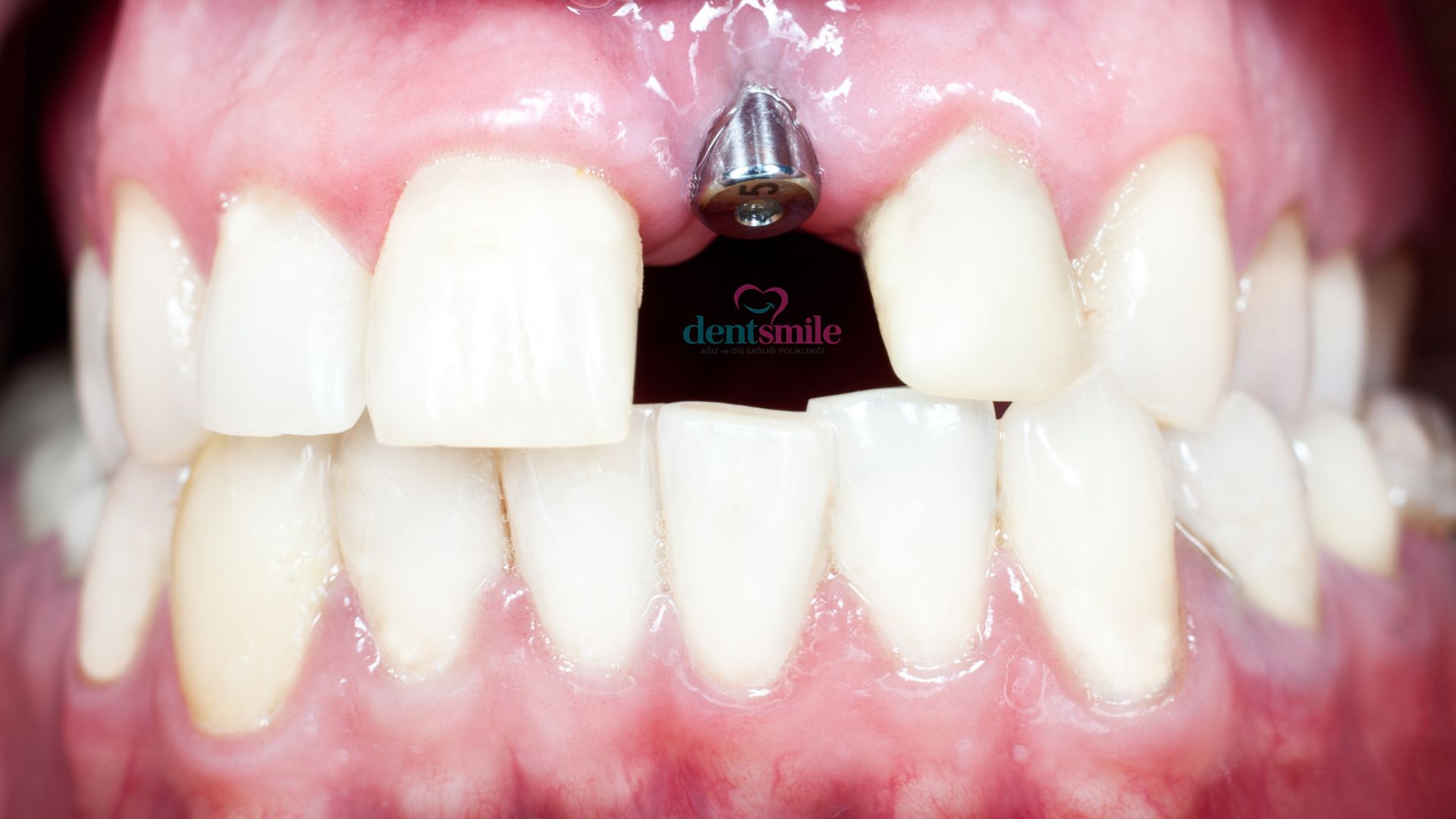
There is no fixed upper age limit for dental implant treatment that applies to everyone. Dental implants can also be placed in older adults when their general health, jawbone, and oral tissues are suitable. However, implant placement is generally not recommended for children and adolescents whose jaw growth is not yet complete. Suitability depends not only on age but also on bone support, gum health, medications, and existing medical conditions.
Is There an Age Limit for Dental Implant Treatment?
One of the common questions among patients considering dental implants to replace missing teeth is whether there is a specific age limit for this treatment. Older patients may believe they are too old for implants, while younger individuals may wonder whether treatment can begin before their growth is complete.
Age alone does not determine whether someone is suitable for dental implants. The completion of jaw growth and the patient's overall health are important factors. Therefore, treatment planning for younger patients differs from the approach used for older adults.
At What Age Can Dental Implant Treatment Begin?
Once dental implants are placed in the jawbone, they integrate with the bone and do not move with growth in the same way as natural teeth. For this reason, placing implants in children or adolescents whose jaws are still developing may lead to changes in the relationship between the implant and neighboring teeth over time.
Jaw and facial development should be substantially complete before implant treatment begins. Because growth patterns vary between individuals, reaching the age of 18 does not automatically mean that a person is ready for implant placement.
For younger patients, clinical examination, appropriate radiographic assessments, and evaluation of skeletal growth are important before making a treatment decision.
Can Older Adults Receive Dental Implants?
Advanced age alone is not a contraindication to dental implant treatment. Older adults may also receive implants when sufficient jawbone support is available and their general health permits the procedure.
However, bone loss, periodontal disease, and chronic medical conditions may become more common with age. Poorly controlled diabetes, certain immune disorders, and other conditions affecting wound healing require careful evaluation before treatment.
Some medications used to manage osteoporosis, particularly certain antiresorptive treatments, may require special consideration before implant surgery. Patients should therefore inform their dentist about their complete medical history and all medications they take.
The Importance of Bone and Gum Health for Dental Implants
Successful implant treatment requires sufficient bone support and healthy surrounding tissues. Bone volume may decrease after prolonged tooth loss or as a result of periodontal disease.
In suitable patients, bone grafting or other surgical procedures may help create the conditions needed for implant placement. However, bone augmentation is not necessary for every patient.
Controlling active gum disease before treatment, maintaining good oral hygiene, and attending regular follow-up appointments after implant placement are important for long-term success.
Age-Related Dental Implant Planning in Üsküdar
At Dentsmile Oral and Dental Health Polyclinic in Üsküdar, Istanbul, dental implant treatment is planned by assessing the patient's age, jawbone condition, gum health, and overall medical history.
For younger patients, completion of jaw growth is particularly important. For older adults, treatment planning also considers bone support, existing medical conditions, medications, and the ability to maintain oral hygiene after implant placement.
In conclusion, there is no fixed upper age limit for dental implant treatment. For younger patients, completion of jaw growth is a fundamental consideration. Whether an individual is suitable for implants should be determined through a thorough clinical and radiographic assessment.