
Q&A
How Long Does Orthodontic Treatment Take?
How long does orthodontic treatment take? Learn about the 12–24 month timeframe, braces, clear aligners, treatment factors, and retention.
 Answered by:
Uzman Dr. Dt. Akif Arslan
Published:
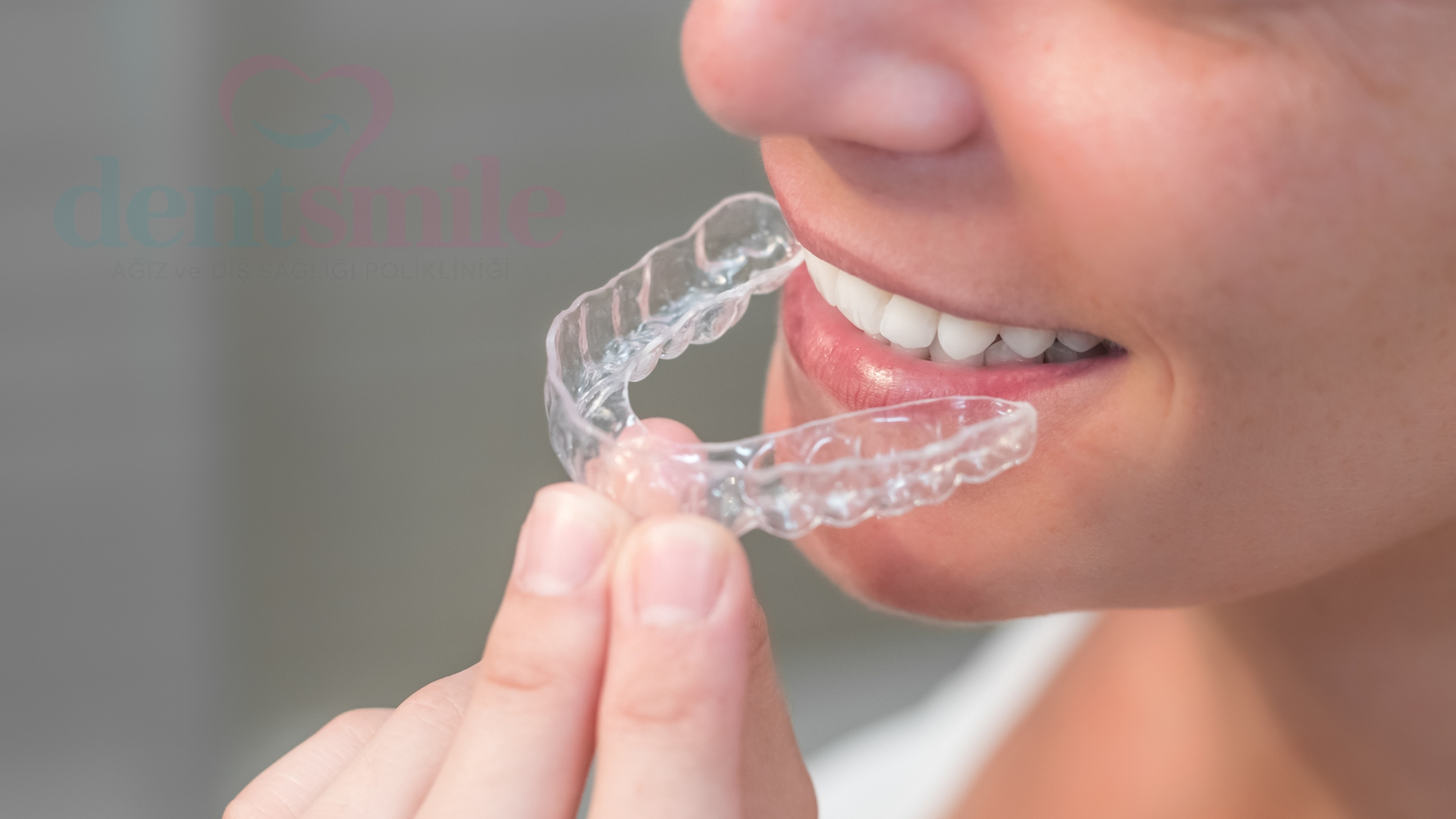
Orthodontic treatment generally takes 12–24 months, although the exact duration varies depending on the severity of dental crowding, jaw structure, and treatment method. Mild alignment problems may be corrected in less time, while complex tooth movements and significant bite problems can require longer treatment. The choice between braces and clear aligners, patient compliance, and regular orthodontic appointments also affect treatment duration. After active treatment, a retention phase is necessary to help maintain the new tooth positions.
How Long Does Orthodontic Treatment Take?
One of the most common questions among patients considering orthodontic treatment is how long it will take to straighten their teeth. Treatment duration is not the same for every patient, whether traditional braces or clear aligners are used. The existing alignment of the teeth, the relationship between the upper and lower jaws, bite irregularities, and the complexity of the required tooth movements all play important roles in treatment planning.
Orthodontic treatment takes approximately 12–24 months for many patients, but mild cases may require less time and complex cases may take longer. A reliable estimate can only be provided after an orthodontic examination and the necessary assessments.
Factors That Determine Orthodontic Treatment Duration
Correcting mild dental crowding or small gaps between teeth can often be completed more quickly than treating severe orthodontic problems. However, significant bite discrepancies, impacted teeth that need to be guided into position, extraction-based treatments, and skeletal differences between the jaws may extend treatment duration.
The patient's age and the health of the supporting bone and gum tissues must also be considered. Ongoing growth in children and adolescents may provide advantages for certain treatment approaches. However, adults can also undergo orthodontic treatment as long as the teeth and supporting tissues are sufficiently healthy.
Treatment Duration with Braces and Clear Aligners
In fixed orthodontic treatment with metal or ceramic brackets, teeth are moved gradually through controlled forces applied by orthodontic wires. With clear aligner treatment, custom-made trays are replaced at prescribed intervals to guide teeth toward their planned positions.
It is incorrect to assume that clear aligners always deliver faster results than traditional braces. Treatment duration with either method depends on the complexity of the case. Patients using clear aligners are generally advised to wear them for 20–22 hours per day. Inconsistent aligner use or missed orthodontic appointments can prolong treatment.
The Retention Phase After Orthodontic Treatment
Active orthodontic treatment is completed when the teeth reach their planned positions. However, the end of treatment does not mean that teeth will remain completely stationary. Over time, teeth may naturally shift or show a tendency to return toward their previous positions.
For this reason, fixed or removable retainers may be recommended after treatment. The duration of retention is determined individually, and long-term use may be necessary. This phase is an essential part of maintaining the results achieved through orthodontic treatment.
Orthodontic Treatment Duration and Planning in Üsküdar
At Dentsmile Oral and Dental Health Polyclinic in Üsküdar, Istanbul, orthodontic treatment planning involves evaluating tooth positions, jaw relationships, bite problems, and the patient's expectations.
After an orthodontic examination and any necessary imaging, treatment options such as braces or clear aligners are assessed, and an estimated treatment duration is discussed. During treatment, regular appointments allow tooth movements to be monitored and the plan to be adjusted when necessary.
In conclusion, orthodontic treatment duration varies from patient to patient. Although 12–24 months is a common estimate, the complexity of treatment and patient compliance can change this timeframe. The main objective is not simply to complete treatment as quickly as possible, but to achieve a healthy bite and stable tooth alignment that can be maintained over time.