
Q&A
When Can Children Eat After Tooth Extraction?
When can children eat after tooth extraction? Learn about soft foods, anesthesia, eating during the first hours, and precautions for the first 24 hours.
 Answered by:
Uzman Dr. Dt. Yağmur Yıldırım
Published:
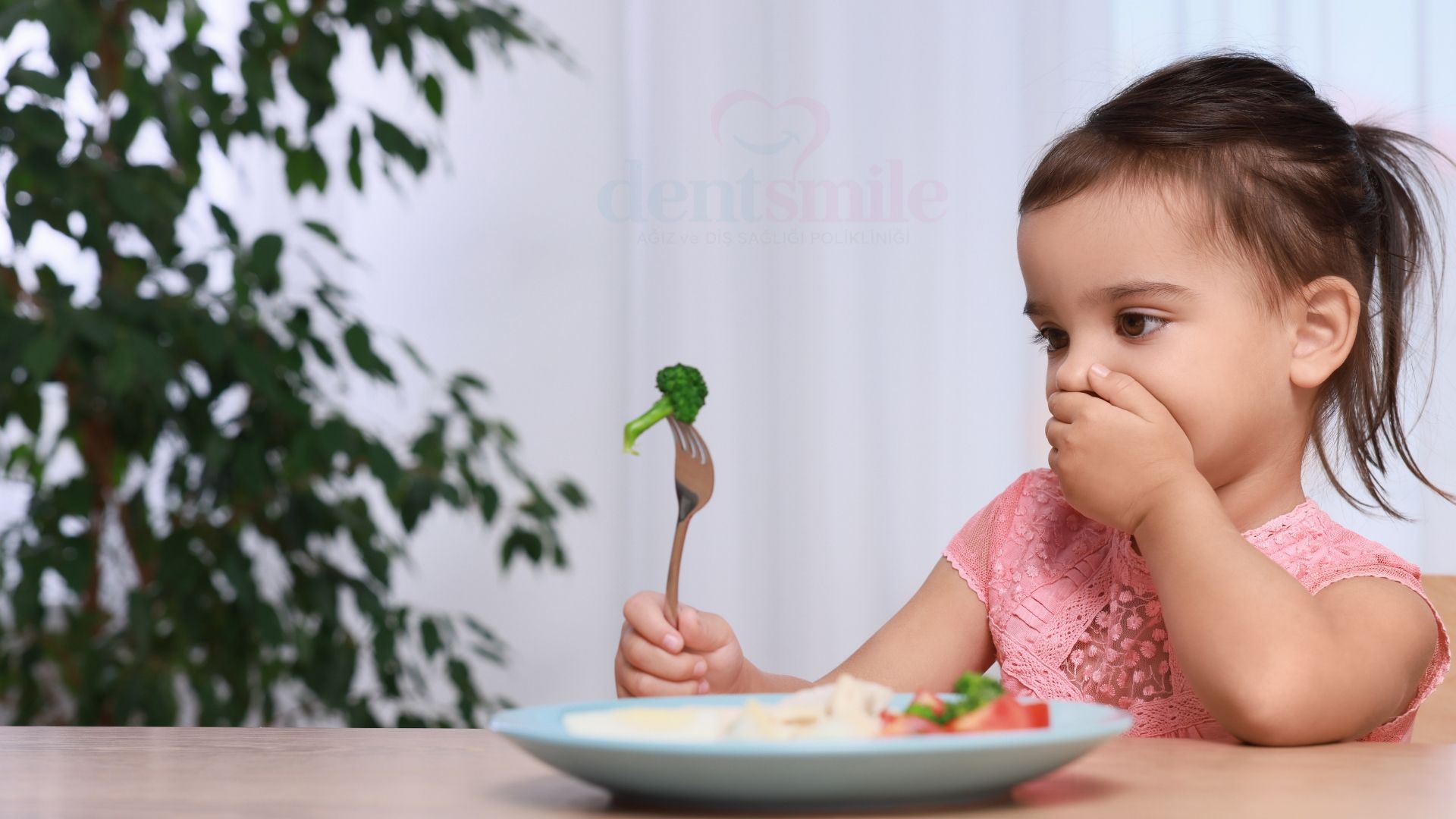
After a tooth extraction, children should wait until the local anesthesia has worn off before eating. While the mouth is numb, a child may accidentally bite their lip, cheek, or tongue. Numbness usually decreases within a few hours, after which soft, cool, or lukewarm foods can be introduced. During the first 24 hours, hard, very hot, or irritating foods should be avoided. The dentist's specific postoperative instructions should always be followed.
When Can Children Eat After Tooth Extraction?
One of the most common questions parents ask after their child's tooth extraction is when their child can start eating again. Children may feel comfortable shortly after a baby tooth is removed and want to eat immediately. However, protecting the blood clot that forms in the extraction socket and allowing the numbness caused by anesthesia to wear off are important for safe eating.
Children should generally wait until the effects of local anesthesia have worn off before eating solid foods. Numbness often decreases within a few hours, although the exact duration depends on the anesthetic medication, dosage, and individual characteristics of the child.
Eating During the First Hours After Tooth Extraction
Local anesthesia used during extraction may numb not only the area around the tooth but also the lips and cheeks. During this period, a child may accidentally bite these soft tissues without realizing it, potentially causing injury.
For this reason, solid foods should be avoided until the numbness has completely disappeared. If the child can swallow safely and there is no active bleeding, water may be offered according to the dentist's instructions.
When eating resumes, soft foods such as yogurt, mashed potatoes, soft pasta, and lukewarm soup are suitable choices. Food should not be excessively hot, and the child should preferably chew on the opposite side of the mouth.
Foods to Avoid During the First 24 Hours
The blood clot that forms after tooth extraction protects the wound and supports the beginning of the healing process. Hard foods or foods with sharp edges may irritate the extraction area and cause bleeding to start again.
Therefore, crisps, hard bread crusts, nuts, and similar foods should be avoided on the first day. Very hot foods and drinks are also discouraged because they may increase the risk of bleeding.
Using a straw during the first 24 hours is not recommended, as the suction created inside the mouth may disturb or dislodge the blood clot.
Returning to a Normal Diet
After a straightforward baby tooth extraction, children can usually return to their normal eating habits relatively quickly. Nevertheless, soft foods are preferable on the first day. A wider variety of foods can then be introduced gradually, depending on the child's pain and sensitivity.
If significant pain, ongoing bleeding, or increasing swelling occurs around the extraction site, the child should not be forced to resume their usual diet. Persistent or worsening symptoms should be evaluated by a dentist.
Eating After Pediatric Tooth Extraction in Üsküdar
At Dentsmile Oral and Dental Health Polyclinic in Üsküdar, Istanbul, eating recommendations after a child's tooth extraction are considered according to the extent of the procedure and the child's age.
Particularly in younger children, monitoring numbness after anesthesia, choosing appropriate foods, and protecting the extraction site are important for healthy healing.
In conclusion, there is no single fixed number of hours that applies to every child after tooth extraction. What matters most is that the numbness has worn off and bleeding is under control. Choosing soft foods at an appropriate temperature during the first 24 hours can help make recovery more comfortable.