
Q&A
Can the Body Reject a Dental Implant?
Can the body reject a dental implant? Learn about implant failure, titanium sensitivity, peri-implantitis and the importance of long-term care.
 Answered by:
Dr Hasan Karatay
Published:
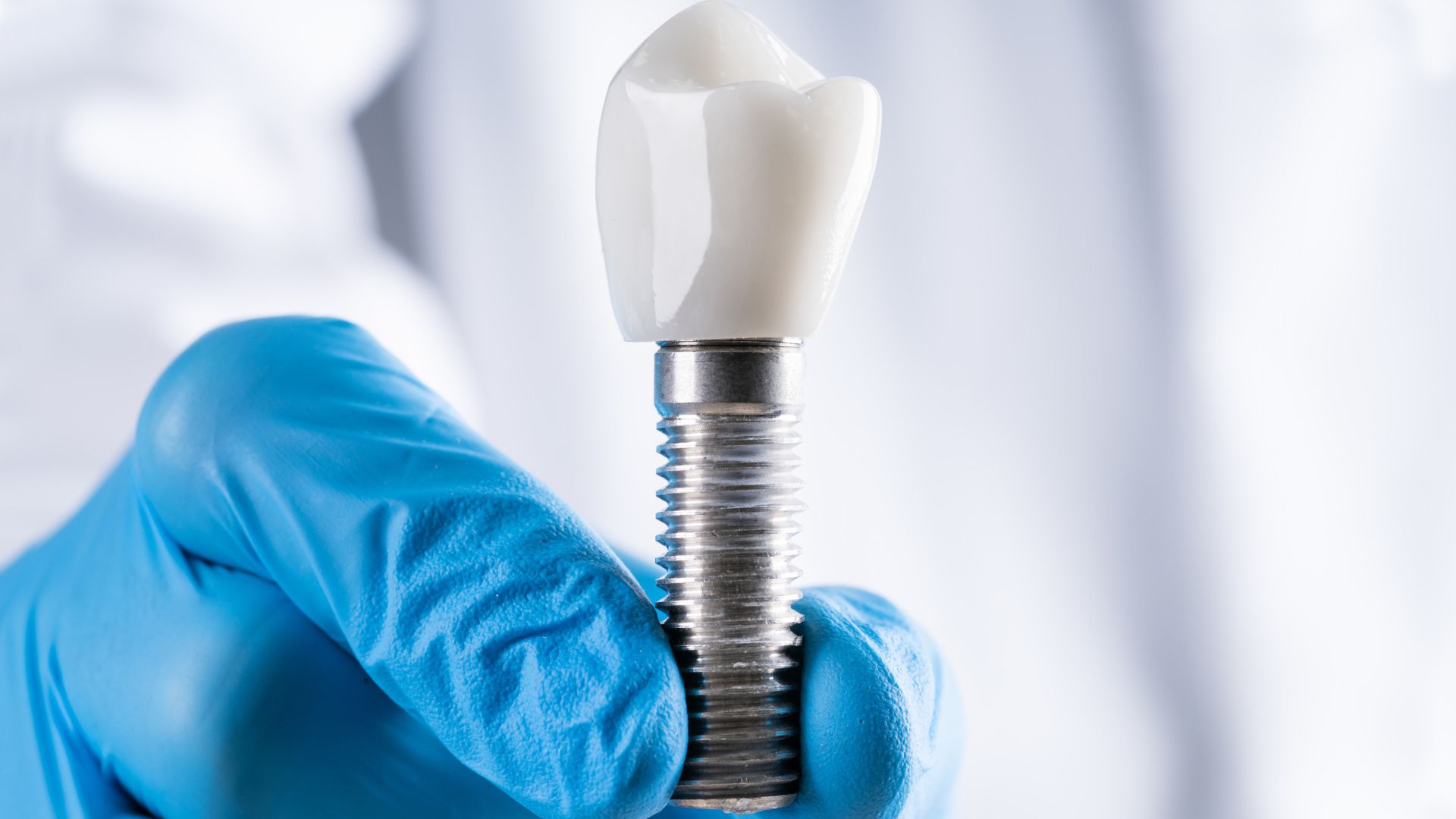
Dental implants are generally made from titanium or titanium alloys, materials known for their high biocompatibility. What patients often describe as the body rejecting an implant is usually different from the immune rejection associated with organ transplantation. Implant failure may occur if the implant does not integrate adequately with the jawbone or if infection and inflammation develop in the surrounding tissues. Hypersensitivity to implant materials is also possible, although rare. Careful treatment planning, healthy bone and gums, and consistent oral hygiene are important for long-term implant success.
Can the Body Reject a Dental Implant?
One of the questions patients frequently ask before implant treatment is whether the implant screw placed in the jawbone can be rejected by the body. Because dental implants are generally made from metal, some patients are concerned about allergic reactions or the body's response to a foreign material.
Dental implants are not normally subject to the type of immune rejection associated with organ transplants. However, this does not mean that implants can never fail. Failure to achieve adequate integration with the jawbone or the development of disease in the surrounding tissues may result in implant loss.
How Dental Implants Integrate with the Jawbone
Most dental implants are made from titanium. Its biocompatibility supports a process called osseointegration, in which the surrounding bone establishes a direct connection with the implant surface.
After implant placement, the surrounding bone heals and gradually integrates with the implant. This process generally takes several months, although the healing period varies according to bone structure, implant location, and the patient's overall health.
If sufficient osseointegration does not occur, the implant may become mobile and require removal. This does not necessarily indicate an allergic reaction to the implant material.
What Causes Dental Implant Failure?
Dental implant failure may occur during the early healing period or later in treatment. Early failure may involve inadequate osseointegration, insufficient primary stability, or medical conditions that interfere with healing.
In patients who have had implants for a longer time, infection and inflammation around the implant can become significant risk factors. This condition, known as peri-implantitis, can cause loss of the supporting bone around the implant.
Smoking, poorly controlled diabetes, a history of periodontal disease, and inadequate oral hygiene may increase the risk of implant complications. However, the presence of these risk factors does not mean that an implant will necessarily fail.
Can Titanium Dental Implants Cause Allergies?
Titanium is widely used in dentistry because of its biocompatibility. Nevertheless, hypersensitivity reactions associated with titanium have occasionally been reported.
Pain, redness, or swelling around an implant should not automatically be interpreted as a titanium allergy. These symptoms may also result from infection, mechanical complications, or other tissue reactions.
When a material allergy is suspected, the patient's medical history should be reviewed carefully, and specialist assessment may be considered when appropriate. Alternative materials, including zirconia implants, may also be evaluated in suitable patients.
How Can You Tell If a Dental Implant Is Failing?
Persistent pain, noticeable swelling, bleeding or discharge around the implant, implant mobility, and discomfort while chewing are symptoms that require dental assessment.
However, problems affecting the tissues around an implant do not always cause pain. Regular clinical examinations and radiographic assessments, when necessary, are important for identifying changes such as bone loss at an early stage.
If an implant becomes loose or symptoms around it progressively worsen, a dentist should be consulted promptly.
Dental Implant Failure and Treatment Planning in Üsküdar
At Dentsmile Oral and Dental Health Polyclinic in Üsküdar, Istanbul, implant treatment planning involves assessing jawbone structure, gum health, the patient's overall medical condition, and factors that may affect implant success.
When complications develop around an implant, a clinical examination and appropriate imaging are used to investigate the underlying cause. Treatment for bone loss, infection, or implant mobility is selected according to the condition of the surrounding tissues.
In conclusion, what is commonly described as dental implant rejection is usually not an immune response comparable to the rejection of transplanted organs. Implant failure is more often associated with inadequate osseointegration, inflammation of the surrounding tissues, or biological and mechanical complications. Appropriate treatment planning and regular maintenance can help preserve implant health over the long term.