
Q&A
Can Teeth Shift Again After Braces Are Removed?
Can teeth shift after braces are removed? Learn how fixed and removable retainers help maintain alignment and reduce orthodontic relapse.
 Answered by:
Uzman Dr. Dt. Akif Arslan
Published:
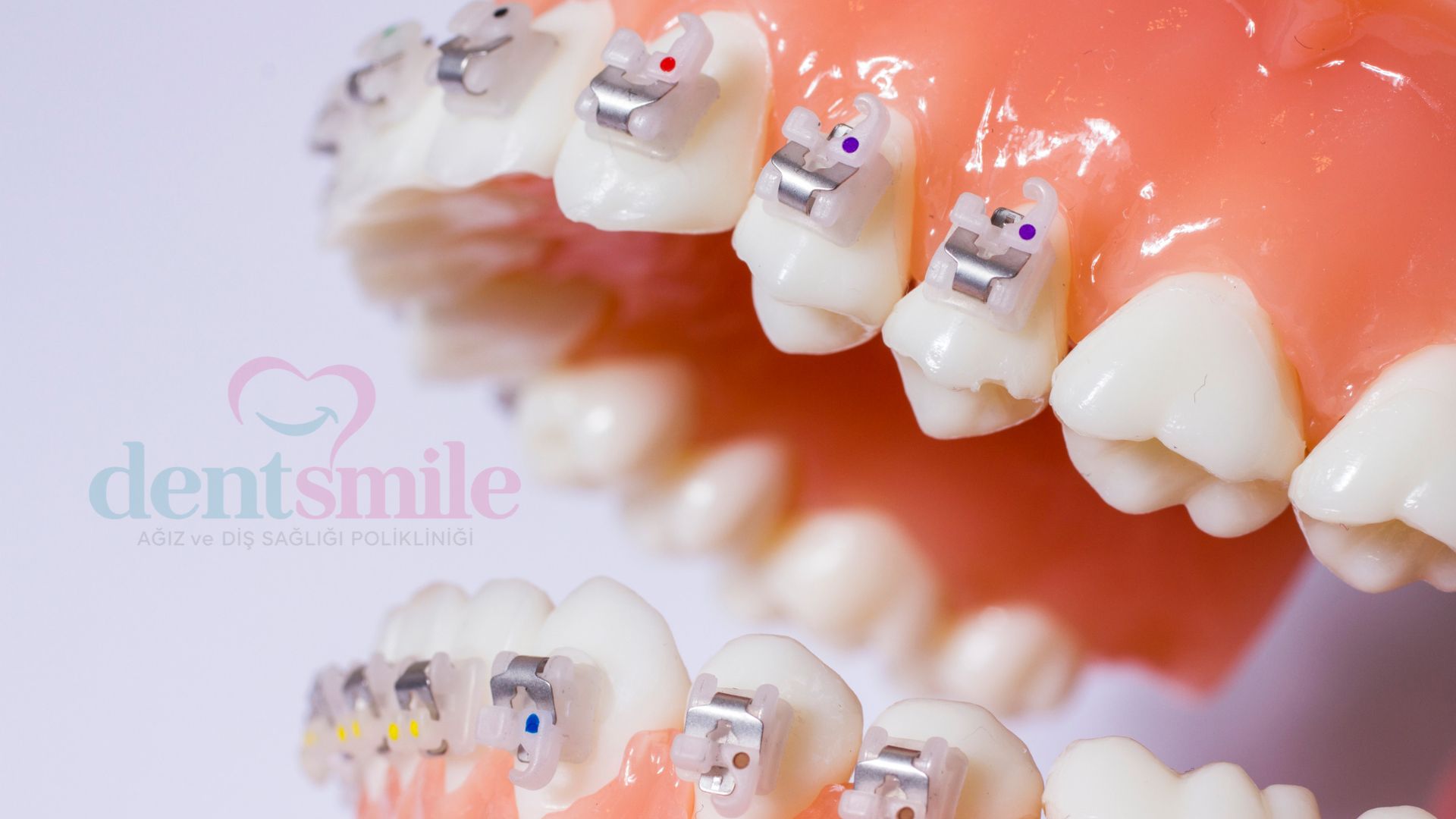
After braces are removed, teeth may gradually move and show a tendency to return toward their previous positions. Retention treatment helps maintain the alignment achieved through orthodontic treatment. Fixed retainers or removable retention appliances can reduce the risk of teeth becoming crooked again. However, inconsistent retainer use, gum problems, and natural age-related changes may affect tooth alignment. Regular orthodontic follow-up appointments are important for maintaining treatment results.
Can Teeth Shift Again After Braces Are Removed?
Having braces removed after completing orthodontic treatment is an important milestone for patients. Although achieving well-aligned teeth after months or years of treatment can be rewarding, many patients wonder whether their teeth might become crooked again in the future.
Teeth can move again after braces are removed. Even though orthodontic treatment changes tooth positions, the surrounding tissues need time to adapt. Teeth may also undergo small, natural positional changes throughout life.
Why Can Teeth Shift After Orthodontic Treatment?
During orthodontic treatment, teeth move as the surrounding bone and periodontal tissues remodel. Once active treatment ends, the connective tissues around the teeth need to adapt to their new positions.
The tendency for teeth to return toward their previous positions may be particularly noticeable shortly after treatment. This is known as orthodontic relapse.
Aging, changes in gum and bone support, tooth loss, and alterations in the bite can also affect tooth alignment over time. Therefore, even after successful orthodontic treatment, it is not possible to guarantee that tooth positions will remain completely unchanged.
The Importance of Retention After Braces
Retention treatment is planned after orthodontic treatment to help teeth remain in their corrected positions. Fixed or removable retainers may be used during this stage.
A fixed retainer is usually a thin wire bonded to the back surfaces of the front teeth. It helps maintain tooth alignment without being visible from the outside. Removable retainers are appliances that patients can take out and wear according to an individually prescribed schedule.
The duration of retainer use depends on each patient's orthodontic condition. Because teeth can continue to move throughout life, long-term retention, sometimes for a lifetime according to a specific schedule, may be recommended.
What Happens If Retainers Are Not Worn?
Failing to wear removable retainers for the recommended amount of time can allow teeth to move again. Following the prescribed schedule is especially important during the early period after orthodontic treatment.
If a fixed retainer breaks or becomes detached from a tooth, unwanted movement may also occur. For this reason, the condition of fixed retainers should be checked regularly.
If a removable retainer no longer fits properly, causes significant pain, or visible tooth movement begins, an orthodontist should be consulted. A retainer that no longer fits should not be forced into place.
Post-Orthodontic Retention Treatment in Üsküdar
At Dentsmile Oral and Dental Health Polyclinic in Üsküdar, Istanbul, retention options are evaluated according to each patient's needs to help preserve tooth alignment after orthodontic treatment.
The use of fixed retainers or removable appliances is planned based on the existing alignment of the teeth and the characteristics of the completed orthodontic treatment. Regular follow-up appointments allow the condition of the appliances and tooth positions to be monitored.
In conclusion, teeth may shift again after braces are removed. However, appropriate retention treatment, consistent retainer use, and regular orthodontic checkups can significantly reduce this risk. The long-term success of orthodontic treatment depends on retention as well as active treatment.