
Q&A
How Long Does Tooth Sensitivity Last After Teeth Whitening?
How long does sensitivity last after teeth whitening? Learn why it occurs, how to manage it and when to see a dentist in Üsküdar, Istanbul.
 Answered by:
Dr Sema Tekin
Published:
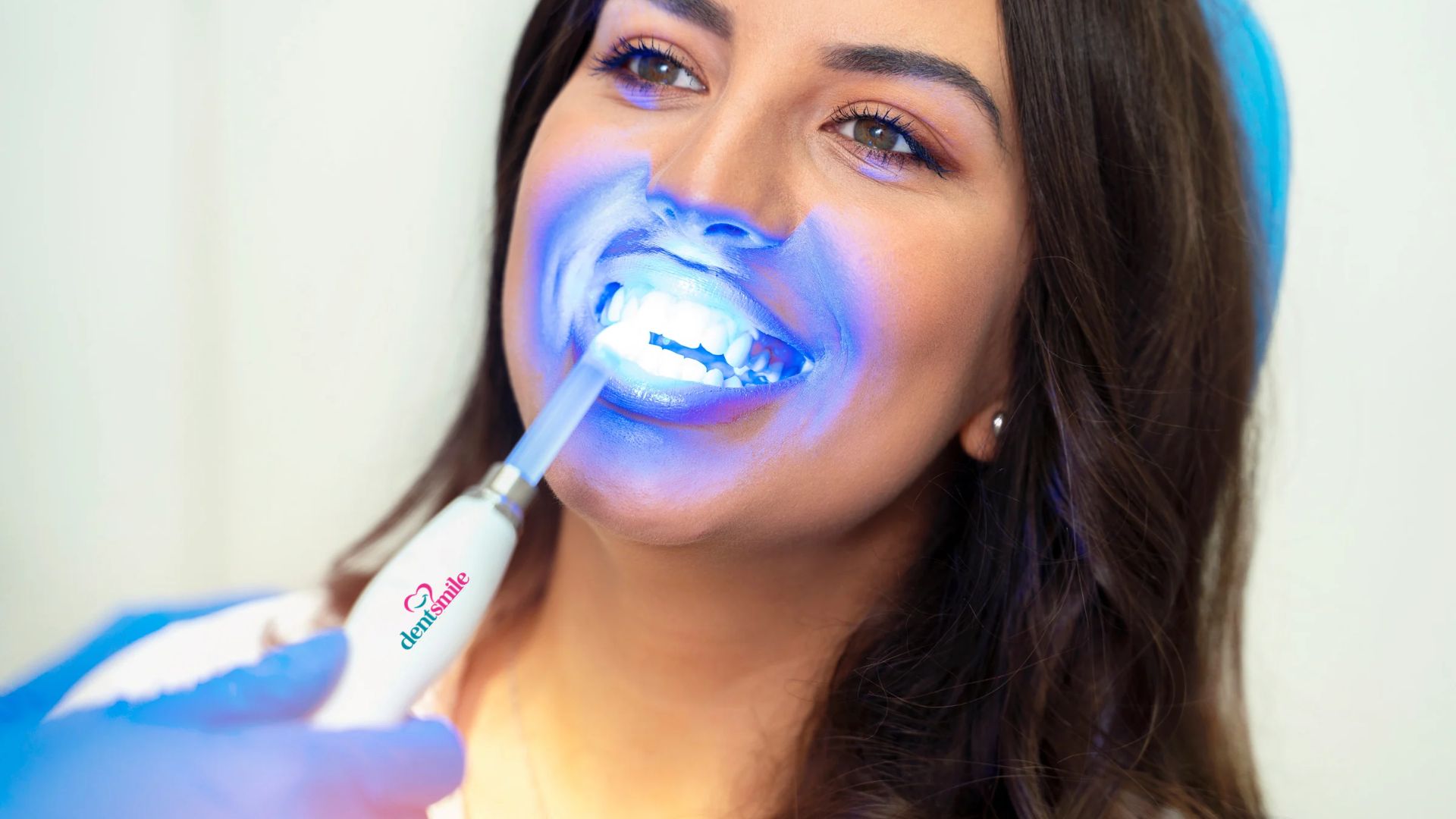
Tooth sensitivity after teeth whitening is a relatively common and usually temporary side effect. It may appear as sensitivity to hot or cold foods and drinks, brief discomfort, or sudden sharp sensations in the teeth. Sensitivity following whitening generally begins to decrease within the first 24–48 hours, although it may continue for several days in some patients. Its duration and severity depend on the existing condition of the teeth, the properties of the whitening agent used, and individual sensitivity.
Teeth whitening is a widely used cosmetic dental procedure intended to lighten the natural shade of teeth. However, some patients may experience sensitivity that was not present before treatment. Brief sharp sensations when drinking cold water, consuming hot beverages, or breathing through the mouth can cause concern. Sensitivity after teeth whitening is usually temporary and does not necessarily indicate permanent tooth damage. Nevertheless, the severity and duration of symptoms, along with any accompanying signs, should be assessed carefully.
What Causes Sensitivity After Teeth Whitening?
Whitening agents based on hydrogen peroxide or carbamide peroxide penetrate dental tissues and act on molecules responsible for discoloration. During this process, the active ingredients may reach deeper tissues and temporarily increase the sensitivity of the dental pulp. Patients may notice this particularly as a stronger response to cold temperatures. Gum recession, exposed root surfaces, enamel cracks, and pre-existing sensitivity can also make discomfort more noticeable after treatment.
How Many Days Does Tooth Sensitivity Last After Whitening?
Sensitivity often becomes noticeable on the day of whitening or during the following day. In many cases, it begins to subside within 24–48 hours and disappears over the next few days. However, every patient responds differently to whitening products. The concentration of the whitening agent, treatment duration, and repeated whitening sessions may influence the intensity of symptoms. If sensitivity becomes progressively worse, develops into severe pain, or does not noticeably improve within a few days, a dental examination is recommended.
How Can Sensitivity After Teeth Whitening Be Reduced?
Avoiding extremely hot or cold food and drinks during the first few days after whitening may help reduce discomfort. Gentle cleaning with a soft-bristled toothbrush and avoiding highly abrasive products are also recommended. Desensitizing toothpaste containing potassium nitrate or fluoride may help relieve symptoms in suitable patients. However, the product chosen should be appropriate for the patient's oral health. If sensitivity becomes significant during at-home whitening with trays, treatment may need to be paused and the whitening plan reviewed with the dentist.
Does Teeth Whitening Damage Tooth Enamel?
Whitening performed under dental supervision, with suitable products and correct application times, is generally considered safe. However, this does not mean that uncontrolled use of whitening products is risk-free. Applying high-concentration agents for too long or repeating treatments too frequently may increase the likelihood of tooth sensitivity and gum irritation. Cavities, cracked or worn teeth, and gum recession should be assessed before whitening. The safety of the procedure depends not only on the product used but also on appropriate patient selection and correct treatment conditions.
When Should Sensitivity Be Evaluated by a Dentist?
Although mild sensitivity that gradually improves is generally temporary, some symptoms may suggest a problem beyond the usual response to whitening. Dental evaluation should not be delayed if severe pain is concentrated in one tooth, spontaneous throbbing persists, chewing causes significant pain, or serious gum irritation develops. Sensitivity that does not decrease within several days or continues to intensify also requires assessment. In such cases, the dentist may examine the teeth for decay, existing restorations, enamel cracks, and problems involving the dental pulp.
Teeth Whitening and Sensitivity Management in Üsküdar
At Dentsmile Oral and Dental Health Polyclinic in Üsküdar, Istanbul, teeth whitening is planned by evaluating enamel condition, gum health, existing sensitivity, and the patient's aesthetic expectations. Identifying cavities, dental wear, or other potential causes of sensitivity before whitening can help make treatment more controlled. If sensitivity develops afterward, suitable care recommendations are determined according to the patient's symptoms and oral health.
In conclusion, sensitivity after teeth whitening usually begins to decrease within 24–48 hours and may disappear within a few days. However, the duration varies between patients. Increasing or unusually persistent symptoms should be evaluated by a dentist. Carefully planned whitening, appropriate aftercare, and professional follow-up help achieve aesthetic results while protecting oral health.