
Q&A
What Causes Bleeding Gums and How Can You Stop It?
Discover what causes bleeding gums and how to treat them. Learn about gingivitis, tartar buildup, periodontitis, and effective gum care.
 Answered by:
Dr Sema Tekin
Answered by:
Dr Sema Tekin
Published:
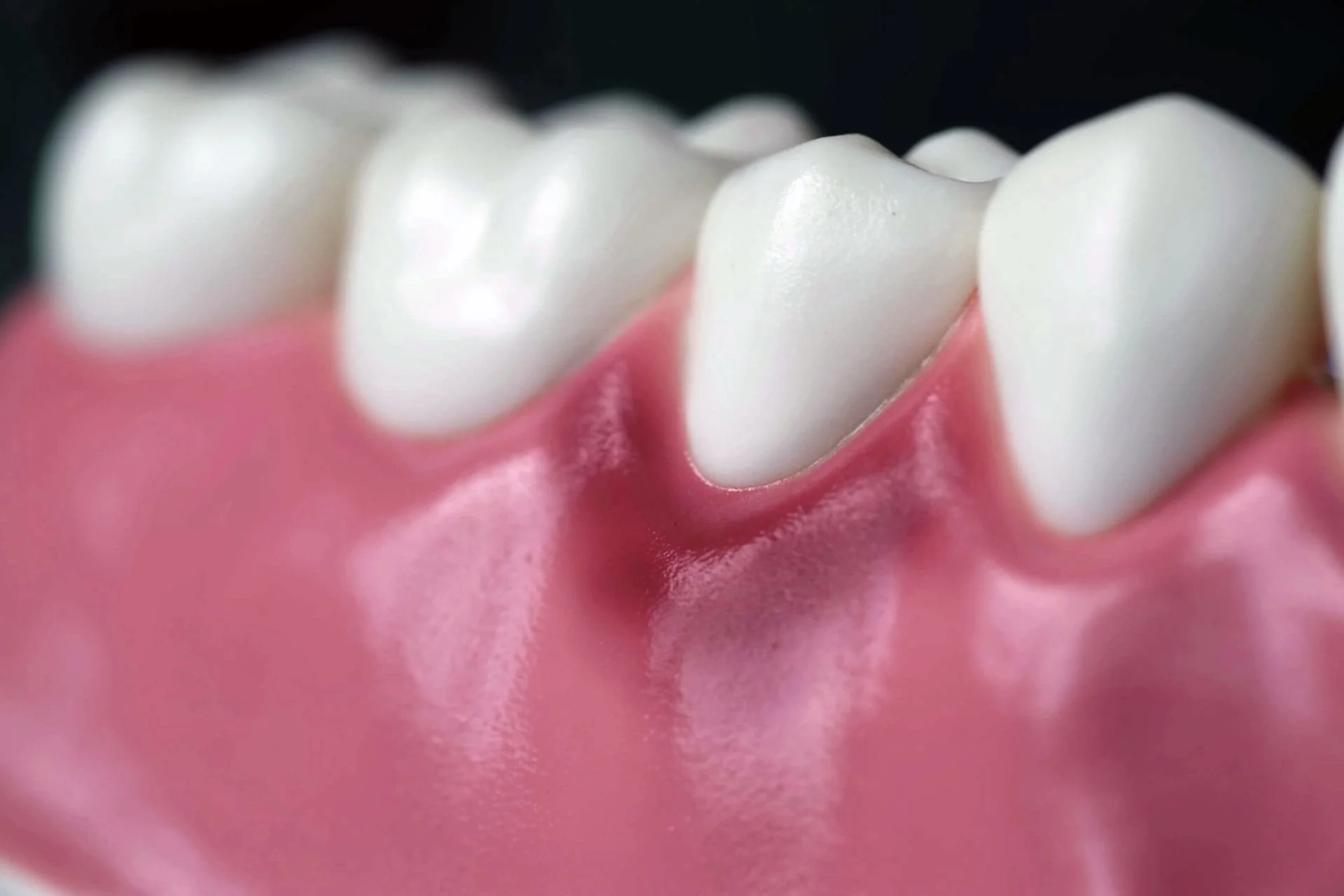
One of the most common causes of bleeding gums is gingivitis, an inflammation caused by bacterial plaque accumulating around the teeth. Bleeding can often be controlled with proper oral hygiene and professional dental cleaning when necessary. However, persistent or recurring gum bleeding should be examined to identify the underlying cause.
What Causes Bleeding Gums?
Bleeding gums are often noticed while brushing, flossing, or eating hard foods. Although occasional minor bleeding may result from mechanical irritation, frequent gum bleeding should not be considered normal and deserves attention.
The most common cause is bacterial plaque accumulating along the gumline. When plaque is not removed regularly, it can trigger inflammation known as gingivitis. The gums may become red, swollen, and more likely to bleed.
Over time, plaque can mineralize and form tartar, also called dental calculus. Unlike soft plaque, tartar cannot be removed with regular brushing. Professional scaling may therefore be necessary.
Other Causes of Bleeding Gums
Bleeding gums are not always caused by poor oral hygiene alone.
Possible contributing factors include:
Gingivitis and periodontitis,
Plaque and tartar buildup,
Brushing too aggressively,
Using a toothbrush with hard bristles,
Incorrect flossing techniques,
Poorly fitting dentures or dental restorations,
Hormonal changes,
Smoking,
Certain systemic health conditions,
Medications that affect blood clotting.
Persistent or spontaneous bleeding should be assessed by a dentist rather than managed solely by changing oral hygiene products.
How Can You Stop Bleeding Gums?
The first step is identifying the cause.
If bleeding results from plaque-induced gingivitis, improving daily oral hygiene can help the gums recover.
Teeth should generally be brushed twice daily using a soft toothbrush and an appropriate technique. Cleaning between the teeth with floss or suitable interdental brushes is also important.
A common mistake is stopping brushing because the gums bleed. When inflammation is caused by plaque, avoiding cleaning allows more bacteria to accumulate and may worsen the condition.
Instead, brushing should continue gently and effectively.
If tartar has formed, professional cleaning is necessary. In more advanced gum disease, additional periodontal treatment may be required.
Can Bleeding Gums Be a Sign of Periodontitis?
Yes. In some patients, persistent gingival inflammation may be associated with the development of periodontitis, a more advanced disease affecting the tissues and bone supporting the teeth.
Possible warning signs include gum recession, persistent bad breath, spaces developing between teeth, tooth mobility, and discomfort while chewing.
In such cases, ordinary scaling may not be sufficient. A periodontal examination is needed to determine the appropriate treatment.
When Should You See a Dentist?
A dental examination is recommended if gum bleeding continues despite proper oral care, occurs frequently, or develops spontaneously.
Bleeding accompanied by swelling, pain, gum recession, loose teeth, or pus should not be ignored.
If bleeding is unusually heavy, difficult to stop, or associated with unexplained bleeding elsewhere in the body, prompt medical assessment may also be necessary.
Bleeding Gum Treatment in Üsküdar
At Dentsmile Oral and Dental Health Polyclinic in Üsküdar, bleeding gums are evaluated by examining gum health, plaque and tartar accumulation, periodontal pockets, and the supporting bone when necessary.
Treatment is planned according to the underlying cause. Some patients may only need professional cleaning and improved oral hygiene, while others may require more comprehensive periodontal care.
Stopping the bleeding does not always mean the underlying problem has been resolved. Identifying its cause is essential for maintaining healthy gums and preserving natural teeth over time.