
Q&A
What Causes Bleeding Gums?
What causes bleeding gums and how can they be treated? Learn about gingivitis, tartar, periodontitis and gum treatment in Üsküdar.
 Answered by:
Dr Sema Tekin
Published:
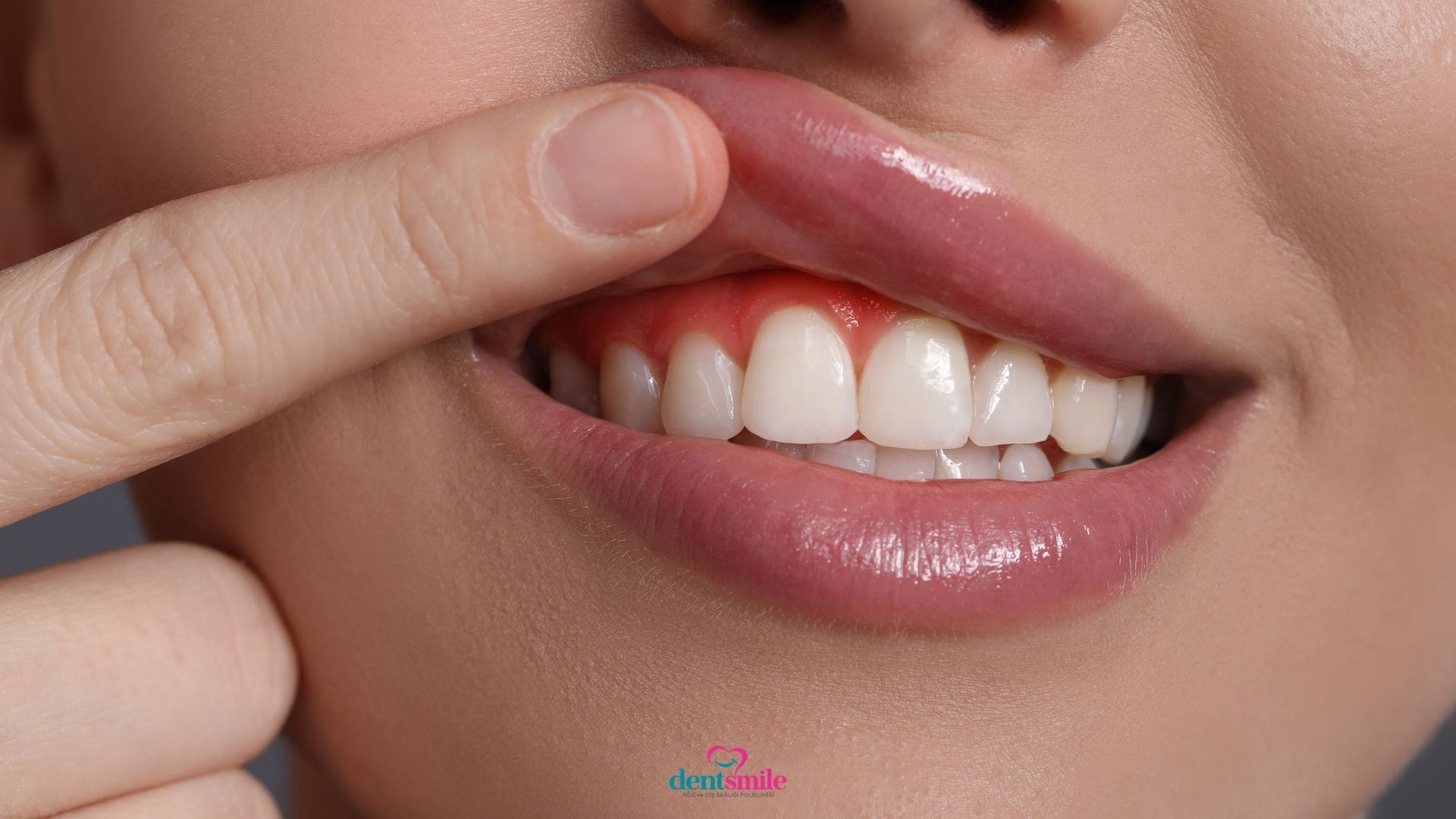
Bleeding gums are most commonly caused by gum inflammation resulting from bacterial plaque accumulating around the teeth. However, improper brushing techniques, tartar buildup, periodontal diseases, hormonal changes, and certain systemic health conditions can also lead to bleeding. Recurrent gum bleeding should not be considered normal, and a dental examination is recommended to identify its cause.
What Causes Bleeding Gums?
Many people who notice bleeding while brushing or flossing assume that it is normal. Although occasional bleeding can occur when the gums are injured by aggressive brushing, healthy gums are not expected to bleed regularly during daily oral care. Bleeding gums are often an early indication of a problem developing inside the mouth.
The most common cause of bleeding gums is gingivitis, an inflammation triggered by bacterial plaque accumulating around the teeth. When plaque on the tooth surfaces and along the gumline is not adequately removed, the gums develop an inflammatory response. Redness, swelling, tenderness, and bleeding during brushing may follow.
However, poor oral hygiene is not the only possible explanation. Tartar buildup, periodontal disease, medications, and certain general health conditions should also be considered. The frequency and duration of the bleeding, along with any accompanying symptoms, are therefore important.
How Does Gingivitis Cause Gum Bleeding?
Gingivitis is one of the most common causes of bleeding gums. Bacterial plaque accumulating on tooth surfaces leads to inflammation of the gum tissue. Blood vessels within the inflamed area become more sensitive, so even contact with a toothbrush or dental floss may trigger bleeding.
During this stage, the gums may appear redder and more swollen than usual. Some patients also experience bad breath. An important characteristic of gingivitis is that it does not involve the loss of tooth-supporting bone associated with periodontitis.
With professional dental cleaning and appropriate daily oral hygiene, early gingivitis can often be brought under control. However, if plaque continues to accumulate, more advanced periodontal problems may develop in susceptible individuals.
Can Tartar and Periodontitis Cause Bleeding Gums?
Plaque that remains on the teeth for an extended period can gradually mineralize and turn into tartar, also called dental calculus. Its rough surface encourages additional plaque buildup. Tartar located along or beneath the gumline can contribute to persistent inflammation of the surrounding tissues.
Periodontitis is a more advanced periodontal condition that affects not only the gums but also the connective tissues and jawbone supporting the teeth. In addition to bleeding, patients may experience gum recession, periodontal pockets, unpleasant breath, and, in advanced cases, loose teeth.
A reduction in gum bleeding does not necessarily mean that periodontal disease has fully resolved. Bleeding may be less noticeable in people who smoke. For this reason, periodontal health must be assessed through clinical examination rather than the presence or absence of bleeding alone.
Can Incorrect Brushing and Flossing Cause Gum Bleeding?
Brushing too forcefully, using an unsuitable toothbrush, or pressing dental floss abruptly against the gums can cause tissue trauma. This may result in localized bleeding and tenderness, particularly around the affected tooth or gum area.
People who have recently started flossing may also experience bleeding during the first few days, especially if their gums are already inflamed. This does not mean that flossing should automatically be stopped when bleeding occurs. Instead, the technique should be adjusted to clean effectively without injuring the tissues.
Using a soft-bristled toothbrush, gently cleaning along the gumline, and maintaining regular interdental hygiene can support gum health. If bleeding persists, a dentist should investigate the underlying cause.
Can Pregnancy, Medications, and General Health Conditions Affect Gum Bleeding?
Hormonal changes during pregnancy may make the gums more sensitive to bacterial plaque. Consequently, some pregnant patients experience more pronounced gum swelling and bleeding. However, bleeding during pregnancy should not simply be dismissed as normal or ignored.
Blood-thinning medications may make bleeding easier to trigger or cause it to last longer. Certain blood disorders, clotting abnormalities, and nutritional deficiencies can also contribute to gum bleeding. Medical evaluation becomes particularly important when bleeding starts spontaneously, continues for an unusually long time, or occurs alongside bruising or bleeding elsewhere in the body.
Patients taking blood-thinning medication should not stop their prescribed treatment on their own because of bleeding gums. When necessary, the dentist and the patient's medical doctor should assess the situation together.
How Can Bleeding Gums Be Treated?
The first step in treating bleeding gums is identifying where the bleeding originates and what causes it. When gingivitis results from plaque and tartar accumulation, professional scaling combined with effective daily oral care is generally the foundation of treatment.
For patients with periodontitis, the dentist evaluates periodontal pocket depths, the condition of the supporting tissues, and any bone loss. Subgingival cleaning and more comprehensive periodontal treatment may be recommended when necessary.
Regular brushing, cleaning between the teeth, and maintaining good oral hygiene at home support treatment. However, relying solely on mouthwash or avoiding the bleeding area during brushing is unlikely to resolve the underlying condition.
If bleeding is accompanied by pain, pronounced swelling, pus discharge, or loose teeth, a dental assessment should not be delayed. Heavy bleeding that does not stop, or unexplained bleeding elsewhere in the body, may require urgent medical evaluation.
Bleeding Gum Treatment in Üsküdar
At Dentsmile Oral and Dental Health Polyclinic in Üsküdar, Istanbul, the assessment of bleeding gums includes the patient's oral hygiene habits, tartar deposits, the condition of the gum tissues, and signs of periodontal disease. When indicated, periodontal pocket measurements and appropriate dental imaging are used to examine the structures supporting the teeth.
The aim of treatment is not merely to reduce the bleeding temporarily. Identifying the inflammation or other condition responsible for the bleeding is important for maintaining healthy gums over the long term.
Bleeding gums, particularly when the problem keeps returning, should not be ignored. Early dental assessment and an individualized treatment plan can help prevent the progression of gum disease and support the long-term preservation of natural teeth.