
Q&A
What Should You Do When Your Gums Are Swollen?
What should you do for swollen gums? Learn about home care, gingivitis, dental infections, professional treatment, and emergency warning signs.
 Answered by:
Prof. Dr. Tahsin Yıldırım
Answered by:
Prof. Dr. Tahsin Yıldırım
Published:
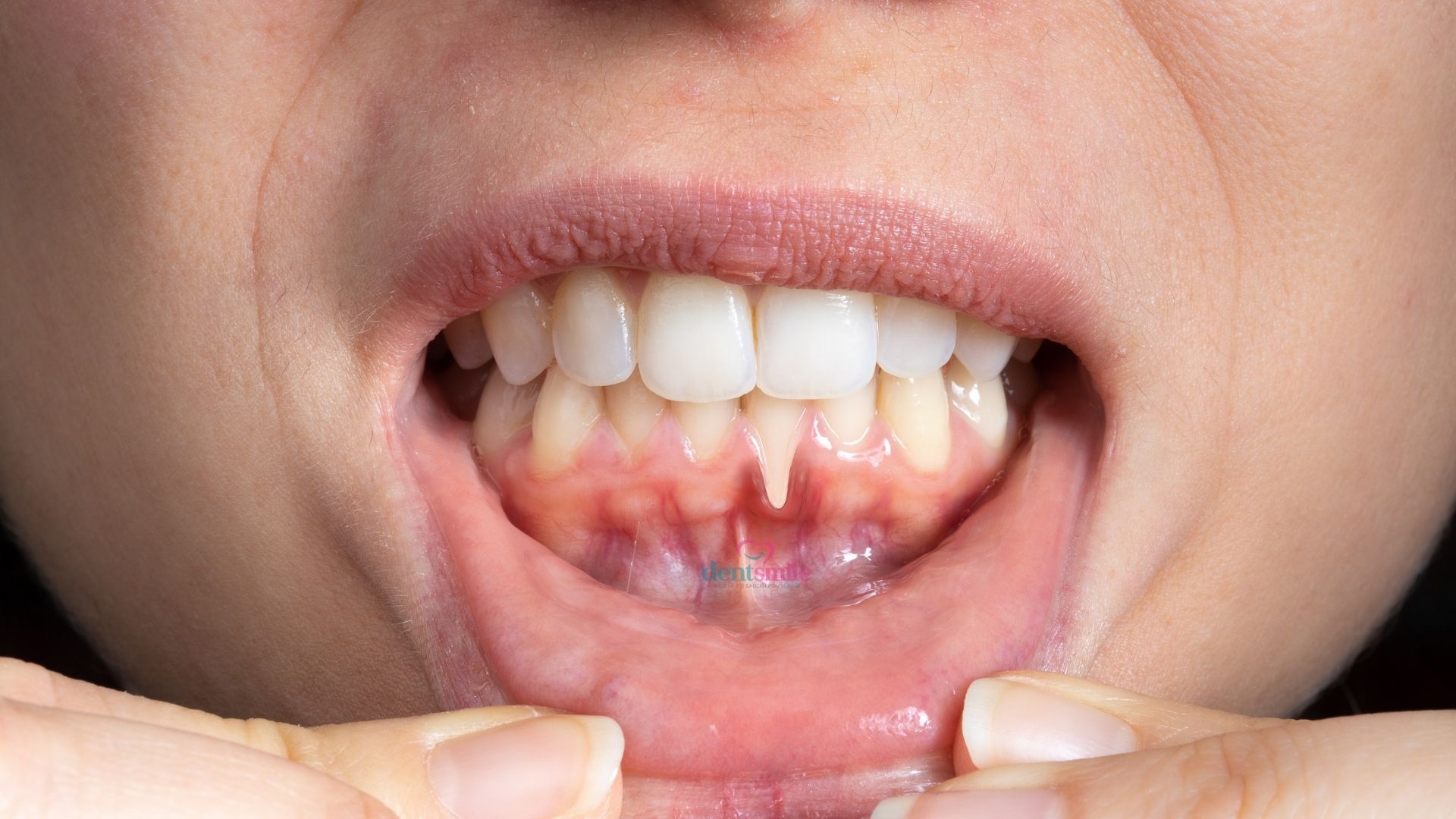
Swollen gums are commonly associated with plaque buildup, gingivitis, or dental infections. Instead of squeezing or puncturing the swollen area, maintain gentle oral hygiene and have the underlying cause assessed by a dentist. Severe pain, pus, fever, or swelling spreading to the face requires prompt professional attention.
What Causes Swollen Gums?
When patients notice swelling around their teeth, gum inflammation is often the first possible explanation. Bacterial plaque accumulating along the gumline can cause redness, tenderness, and bleeding. This early inflammatory condition is known as gingivitis and can usually be managed successfully with appropriate care.
However, swollen gums do not always have the same cause. Infections around a tooth root, periodontal abscesses, food trapped between teeth, poorly fitting dental restorations, and inflammation around wisdom teeth can also cause swelling. The appearance of the gums alone is not enough to establish a reliable diagnosis.
What Can You Do at Home for Swollen Gums?
The first step is to continue cleaning your teeth without irritating the affected area. Use a soft toothbrush and brush gently but thoroughly. Interdental cleaning should also be maintained where it can be performed comfortably and safely.
Gently rinsing with warm salt water may provide temporary relief for some people, although it does not treat the source of an infection. Do not squeeze the swelling, attempt to puncture it, or apply irritating household substances. If swelling also affects the outer cheek, a cold compress applied briefly to the outside of the face may help reduce discomfort.
These measures are supportive rather than curative. Swelling that persists, returns, or becomes more painful requires a dental examination.
How Does a Dentist Treat Swollen Gums?
Treatment depends on the cause. When inflammation is associated with plaque and tartar, professional scaling and improved daily oral hygiene are often central to recovery. If periodontitis is present, the dentist may need to assess periodontal pockets and perform deeper cleaning beneath the gumline.
Swelling caused by a dental abscess requires a different approach. Depending on the source of the infection and whether the tooth can be preserved, treatment may involve drainage, root canal treatment, or extraction. Antibiotics are not routinely necessary for every case of gum swelling and should only be used when clinically indicated.
When Is Gum Swelling an Emergency?
Mild swelling may improve temporarily, but reduced swelling does not always mean that the underlying problem has resolved. Increasing pain, pus, fever, difficulty opening the mouth, or swelling spreading into the cheek or jaw should be assessed promptly.
Difficulty breathing or swallowing, rapidly spreading swelling, or signs of serious systemic illness require emergency medical attention. People with poorly controlled diabetes or weakened immune systems may need particularly prompt evaluation when an infection is suspected.
Treatment for Swollen Gums in Üsküdar
At Dentsmile Oral and Dental Health Polyclinic in Üsküdar, swollen gums are evaluated through an examination of the teeth and surrounding tissues, plaque and tartar deposits, periodontal pocket depths, and radiographic findings when appropriate.
The priority is not simply to reduce visible swelling, but to identify and treat its cause. Early diagnosis and individualized treatment can help protect periodontal health and reduce the likelihood of more extensive dental problems.