
Q&A
Are Cosmetic Dental Treatments Permanent?
How long do cosmetic dental treatments last? Learn about porcelain veneers, zirconia crowns, bonding, whitening, and long-term care.
 Answered by:
Dr Hasan Karatay
Published:
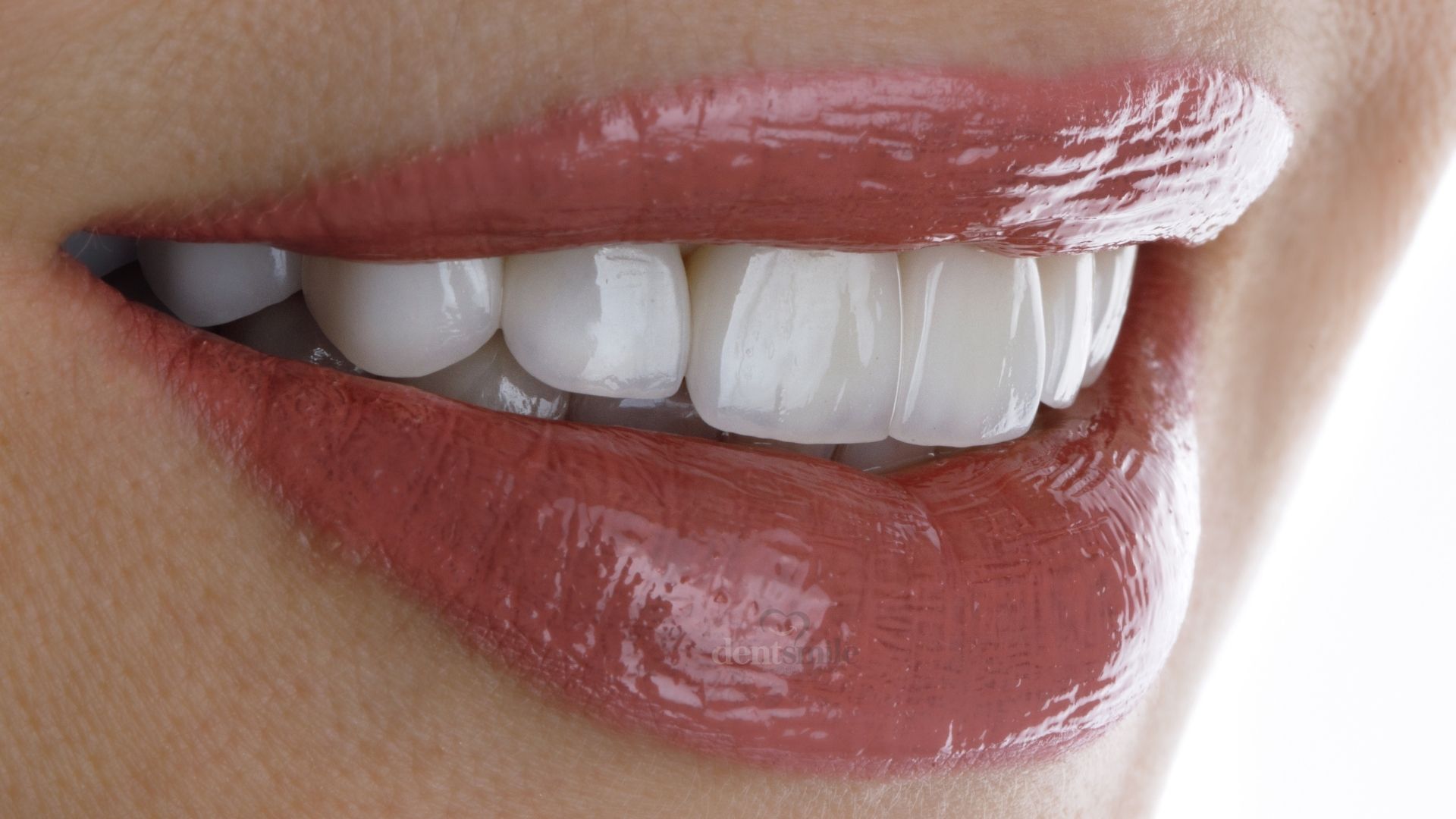
The longevity of cosmetic dental treatments depends on the procedure, the materials used, oral hygiene habits, and the forces placed on the teeth. Zirconia crowns and porcelain veneers can last for many years, while composite bonding may require maintenance or replacement over time. Teeth whitening results are not permanent. Appropriate treatment planning and regular dental check-ups are essential for maintaining aesthetic results.
Are Cosmetic Dental Treatments Permanent?
One of the most common questions patients ask before undergoing cosmetic dental treatment is how long their improved smile will last. When considering smile design, porcelain veneers, zirconia crowns, or composite bonding, patients naturally want results that remain attractive and functional for as long as possible. However, there is no single lifespan that applies to every cosmetic dental procedure.
Some cosmetic dental treatments involve restorations that can last for many years, while others need to be repeated periodically to maintain their effects. The longevity of treatment does not depend solely on the quality of the material. The condition of the natural teeth, chewing forces, teeth grinding, oral hygiene, and regular dental examinations all influence the long-term outcome.
For this reason, cosmetic dental treatment should not be planned only around the appearance achieved on the day of treatment. It is equally important to consider how that result will be maintained in the years ahead.
How Long Do Porcelain Veneers and Zirconia Crowns Last?
Porcelain veneers and zirconia crowns are aesthetic restorations that can provide long-term service when used in appropriate cases. Porcelain veneers are thin ceramic restorations bonded to the front surfaces of teeth, while zirconia crowns cover a larger portion of the tooth. The clinical indications, preparation techniques, and amount of tooth structure involved differ between these treatments.
Under favorable conditions, these restorations may function for ten years or longer. However, this should not be interpreted as a guarantee. Fractures, changes in marginal fit, bonding problems, or decay developing in the natural tooth beneath a restoration may make repair or replacement necessary.
Patients who clench or grind their teeth may place greater forces on their restorations. In these situations, a protective night guard prescribed by the dentist may help reduce mechanical stress and protect the dental work.
Is Composite Bonding a Permanent Treatment?
Composite bonding is a conservative cosmetic procedure used to improve tooth shape, appearance, and certain minor surface imperfections. Tooth-colored composite resin is applied directly to the tooth and carefully shaped. An important advantage is that, in suitable cases, much of the healthy natural tooth structure can be preserved.
Nevertheless, composite materials can gradually develop surface wear, staining, or small fractures. Drinks such as tea and coffee, along with tobacco use, may contribute to discoloration over time. These changes do not occur at the same rate for every patient.
One practical feature of composite bonding is that some surface defects can be improved through polishing or localized repair. Therefore, the need for maintenance does not automatically mean that the entire restoration must be replaced.
How Long Do Teeth Whitening Results Last?
Unlike veneers and crowns, teeth whitening aims to lighten the existing color of natural teeth rather than cover them with a permanent restoration. As a result, the shade achieved through whitening should not be expected to remain completely unchanged throughout a patient's lifetime.
Teeth may gradually become stained again after whitening. Tea, coffee, smoking, dietary habits, and natural age-related changes can influence the degree and speed of discoloration. Some patients maintain their results for a relatively long time, while others notice changes sooner.
Whether whitening should be repeated, how frequently it can be performed, and which method is appropriate should be determined by a dentist. Excessive or unsupervised whitening may cause tooth sensitivity and irritation of the gums.
Does Tooth Alignment Remain Permanent After Orthodontic Treatment?
Orthodontic treatment can correct the position of teeth and improve the relationship between the upper and lower dental arches. However, teeth may continue to shift slightly throughout life, even after successful treatment. This is why retention is an important part of orthodontic care after braces or clear aligner treatment has been completed.
Removable retainers or fixed retention wires placed behind the teeth can help maintain their corrected positions when properly used and monitored. If recommended retention instructions are not followed, unwanted tooth movement may occur.
Therefore, the long-term stability of orthodontic results is closely related to the patient's commitment to the retention plan after active treatment.
Can You Extend the Lifespan of Cosmetic Dental Treatments?
Although the lifespan of aesthetic dental procedures varies between individuals, appropriate maintenance can help preserve restorations for longer. Brushing twice daily with fluoride toothpaste, cleaning between the teeth, and maintaining healthy gums are fundamental aspects of oral care.
Habits such as biting hard objects with the front teeth, opening packages with the teeth, or biting fingernails can damage cosmetic restorations. Patients who grind or clench their teeth may benefit from individually selected protective measures.
Regular dental examinations allow dentists to identify early signs of wear, problems at crown margins, or changes in the gums. Addressing these issues before they become more extensive may help avoid complicated restorative procedures.
Cosmetic Dentistry and Smile Design in Üsküdar
At Dentsmile Oral and Dental Health Polyclinic in Üsküdar, Istanbul, cosmetic treatments are planned by evaluating existing tooth structure, gum health, bite relationships, and the patient's expectations together. The choice between porcelain veneers, zirconia crowns, composite bonding, and teeth whitening should be based on clinical conditions as well as aesthetic preferences.
From a clinical perspective, successful cosmetic dentistry cannot be judged solely by the appearance achieved immediately after treatment. The restoration should also function comfortably, blend with neighboring teeth, remain accessible for cleaning, and support the long-term health of the surrounding tissues.
Cosmetic dental treatments are not always permanent for life. Nevertheless, suitable treatment selection, careful clinical application, and consistent maintenance can help preserve attractive results for many years.