
Q&A
Why Can You Still Get Cavities Even If You Brush Your Teeth?
Why can cavities develop despite regular brushing? Learn about interdental cleaning, sugar consumption, dry mouth, fluoride, and other tooth decay risk factors.
 Answered by:
Dr Hasan Karatay
Answered by:
Dr Hasan Karatay
Published:
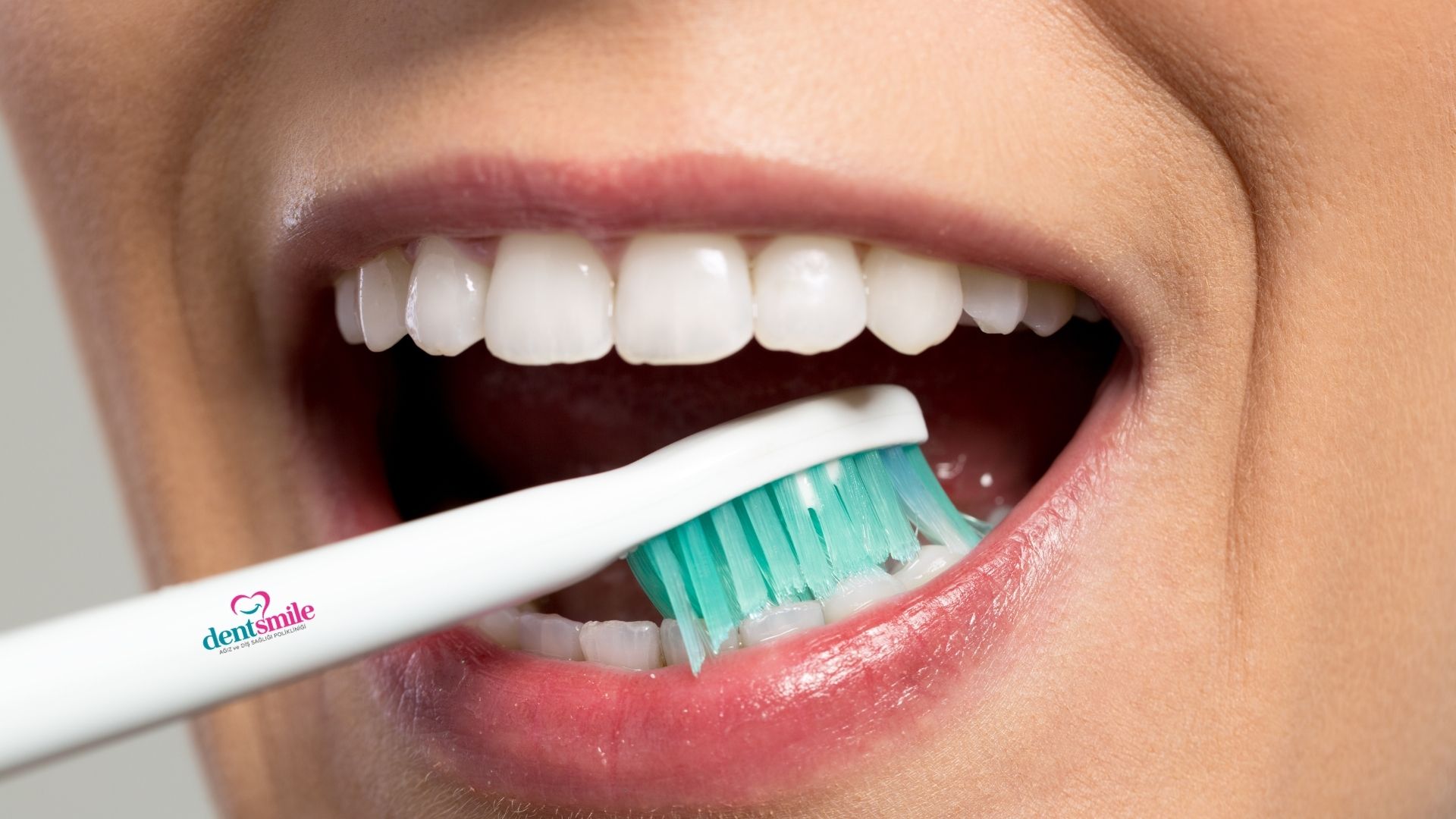
Brushing your teeth regularly is an essential part of preventing tooth decay, but it may not always be enough on its own. Inadequate cleaning between teeth, frequent sugar consumption, insufficient fluoride exposure, dry mouth, and individual risk factors can contribute to cavities even when you brush regularly.
Why Can You Still Get Cavities Even If You Brush Your Teeth?
“I brush my teeth regularly, but I still get cavities” is something dentists frequently hear from patients. This is because tooth decay is not determined by brushing frequency alone.
Dental caries is a process influenced by several factors, including oral bacteria, dietary habits, tooth anatomy, saliva, fluoride exposure, and time. Even someone who brushes twice daily may develop cavities under certain conditions.
You May Not Be Cleaning Between Your Teeth Effectively
A toothbrush cleans the accessible surfaces of teeth effectively, but it cannot always reach the narrow spaces where adjacent teeth touch.
Interproximal cavities, which develop between teeth, may progress without being noticeable in their early stages.
Even with regular brushing, bacterial plaque can remain in these areas. This is why daily oral care should include dental floss or appropriately sized interdental brushes, depending on the patient's dental anatomy.
Your Brushing Technique May Need Improvement
Brushing twice or three times a day does not necessarily mean every tooth surface is being cleaned properly.
Brushing too quickly, repeatedly missing certain areas, or failing to remove plaque along the gumline can reduce the effectiveness of oral hygiene.
The back molars, inner tooth surfaces, and areas close to the gums are particularly easy to overlook.
How you brush is just as important as how often you brush.
Frequent Sugar and Carbohydrate Consumption
The risk of tooth decay depends not only on the amount of sugar consumed but also on how frequently sugary foods and drinks are consumed.
Certain oral bacteria metabolize sugars and other fermentable carbohydrates, producing acids that lower the pH within dental plaque. Repeated acidic conditions can cause minerals to be lost from tooth enamel.
Frequent snacking on sweets, biscuits, or sugary drinks throughout the day can repeatedly expose teeth to these acid attacks.
Therefore, someone who brushes regularly but consumes sugary snacks frequently may still have a high risk of cavities.
Eating After Brushing Before Bed
Nighttime oral hygiene is especially important because saliva production naturally decreases during sleep.
With less saliva available to neutralize acids and cleanse the mouth, teeth become more vulnerable to prolonged acidic conditions.
Eating or drinking sugary products after brushing, without cleaning the teeth again before going to sleep, may increase the risk of decay.
As a general habit, it is preferable to avoid food and drinks other than water after brushing at night.
The Type of Toothpaste Matters
Fluoride toothpaste helps strengthen enamel against acid attacks and supports the remineralization of early enamel lesions.
Therefore, using a toothpaste appropriate for your age and dental needs is important, rather than focusing solely on brushing frequency.
Patients with a higher risk of tooth decay may benefit from additional preventive fluoride treatments recommended by their dentist.
Dry Mouth Can Increase the Risk of Cavities
Saliva plays an essential role in maintaining oral health.
It helps clear food particles, neutralize acids, and support the mineral balance of tooth enamel.
When saliva production decreases, these natural protective mechanisms become less effective.
Certain medications, medical conditions, and other factors can cause dry mouth, increasing the risk of cavities despite regular brushing.
Tooth Anatomy May Contribute to Decay
The chewing surfaces of back teeth naturally contain grooves and fissures. In some people, these grooves are particularly deep and narrow.
Plaque can accumulate in these areas, where toothbrush bristles may not reach effectively.
For children and suitable patients, dental sealants may be recommended to help protect these vulnerable surfaces.
Cavities Can Develop Around Existing Fillings
Having a tooth filled does not mean it can never develop another cavity.
New decay may develop in the natural tooth structure surrounding a restoration, particularly if changes occur around the filling margins.
This is why teeth with existing fillings should continue to be examined during regular dental check-ups.
Tooth Decay May Not Cause Pain Initially
Cavities do not always begin with toothache.
Early enamel lesions and cavities developing between teeth may remain unnoticed for a considerable period.
Clinical examinations and appropriate dental X-rays, when necessary, can help detect problems that are difficult to identify by looking at the teeth alone.
Is Brushing Alone Enough to Prevent Cavities?
Brushing is essential, but effective cavity prevention involves more than simply cleaning your teeth twice a day.
Proper brushing, daily interdental cleaning, appropriate fluoride use, limiting frequent sugar consumption, and regular dental examinations all contribute to reducing the risk of tooth decay.
At Dentsmile Oral and Dental Health Polyclinic in Üsküdar, patients with recurring cavities are evaluated by considering their oral hygiene, dietary habits, tooth anatomy, saliva production, existing restorations, and individual risk factors.
The goal is not simply to treat existing cavities, but to identify the factors contributing to new decay and help preserve natural tooth structure over time.