
Q&A
How Often Should You Have Your Teeth Professionally Cleaned?
The frequency of professional dental cleaning depends on your oral hygiene, how quickly tartar builds up, and the health of your gums. A dental check-up every six months may be appropriate for many patients, but professional cleaning is not necessarily required at every visit. People with gum disease or rapid tartar accumulation may need more frequent care.
 Answered by:
Dr Hasan Karatay
Answered by:
Dr Hasan Karatay
Published:
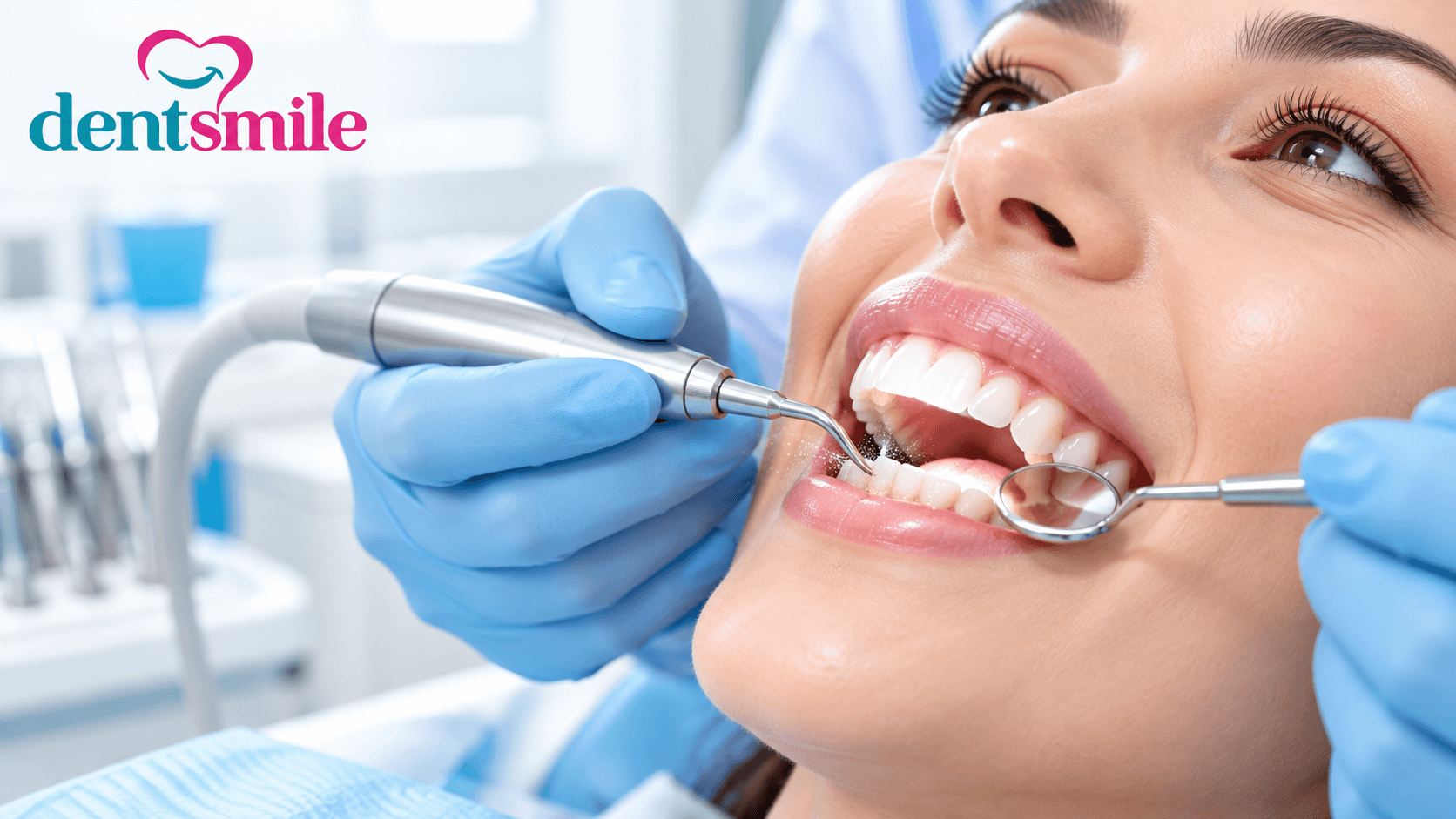
The frequency of professional dental cleaning depends on your oral hygiene, how quickly tartar builds up, and the health of your gums. A dental check-up every six months may be appropriate for many patients, but professional cleaning is not necessarily required at every visit. People with gum disease or rapid tartar accumulation may need more frequent care.
How Often Should You Have Your Teeth Professionally Cleaned?
There is no fixed interval for professional tartar removal that applies to everyone. Although many people believe their teeth must be professionally cleaned every six months, the appropriate frequency depends on their individual oral health.
Some patients develop very little tartar because they maintain effective oral hygiene, while others experience noticeable buildup within just a few months.
Tartar, also known as dental calculus, forms when bacterial plaque on the teeth becomes mineralized. It is particularly common behind the lower front teeth and on the cheek-facing surfaces of the upper back teeth.
Once tartar has formed, it cannot be removed with ordinary brushing or flossing. Professional dental instruments are needed to remove these hardened deposits.
Is Dental Cleaning Necessary Every Six Months?
A six-month dental check-up schedule may be suitable for many people, but this does not mean everyone needs scaling at every appointment.
Patients with healthy gums, good plaque control, and minimal tartar buildup may require cleaning less frequently.
However, people with bleeding gums, heavy tartar deposits, or a history of periodontal disease may need more frequent professional care.
For patients who have previously received treatment for periodontitis, periodontal maintenance appointments every three to six months may be recommended, depending on their individual risk factors.
How Can You Tell When Tartar Removal Is Needed?
Tartar may appear as hard yellowish or brownish deposits near the gumline. However, deposits that form beneath the gums are not always visible.
Bleeding, redness, swelling, and persistent bad breath may be associated with plaque and tartar accumulation.
These symptoms can also have other causes, so a dental examination is important to determine whether professional cleaning or additional periodontal treatment is necessary.
Can Professional Teeth Cleaning Damage Your Teeth?
When performed correctly using appropriate instruments, professional scaling is intended to remove plaque and calculus without damaging healthy tooth enamel.
Some patients may experience temporary sensitivity after cleaning. Spaces between teeth may also appear more noticeable once large tartar deposits have been removed.
This does not necessarily mean that the teeth have been worn down. Removing the deposits simply reveals the underlying tooth surfaces and existing gum condition.
Professional Teeth Cleaning in Üsküdar
At Dentsmile Oral and Dental Health Polyclinic in Üsküdar, the need for professional teeth cleaning is assessed by considering gum health, plaque accumulation, tartar deposits, and the patient's periodontal history.
When necessary, professional scaling is performed, and patients receive personalized advice on brushing and interdental cleaning.
Rather than treating tartar removal as a procedure that must be repeated at a fixed interval, it is more appropriate to consider it part of an individualized preventive dental care plan.
Consistent brushing, interdental cleaning, and dental check-ups scheduled according to personal needs can help reduce tartar accumulation and maintain healthier gums.