
Q&A
Is Teeth Whitening Harmful to Your Teeth?
Is teeth whitening safe? Learn about enamel health, tooth sensitivity, gum irritation, professional whitening, and potential risks.
 Answered by:
Dr Hasan Karatay
Answered by:
Dr Hasan Karatay
Published:
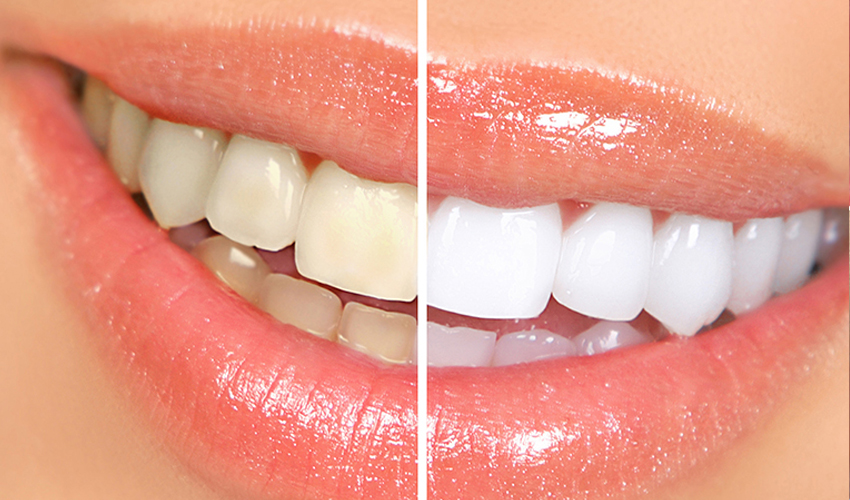
Professional teeth whitening is generally considered safe when suitable products are used under dental supervision. However, temporary tooth sensitivity or gum irritation may occur. Treatment safety depends on the condition of your teeth, the whitening method, and how the products are applied.
Is Teeth Whitening Harmful to Your Teeth?
Teeth whitening is not generally expected to cause permanent damage to healthy teeth when the treatment is properly planned and performed under professional supervision. However, this does not mean every whitening product or technique is completely risk-free.
Most whitening systems contain hydrogen peroxide or carbamide peroxide. These ingredients act on certain compounds responsible for tooth discoloration, helping the teeth appear lighter.
Before treatment, the dentist should examine the teeth and gums for cavities, cracks, exposed root surfaces, or sensitivity. Existing dental problems may need to be treated before whitening begins.
Does Whitening Damage Tooth Enamel?
One of the most common concerns is whether whitening permanently weakens or removes tooth enamel.
When appropriate whitening products are used according to professional instructions, significant permanent damage to healthy enamel is generally not expected. However, excessive treatment, unsuitable concentrations, and uncontrolled use of whitening products may increase the risk of unwanted effects.
Can Whitening Cause Tooth Sensitivity?
Temporary tooth sensitivity is among the most frequently reported side effects of whitening. Some patients experience short episodes of discomfort when drinking cold beverages or breathing cold air.
This sensitivity usually improves after treatment, although its intensity and duration vary. When necessary, the dentist may adjust the whitening schedule or recommend suitable desensitizing products.
Gum Irritation and Home Whitening Products
Whitening gel can irritate the gums if it remains in contact with soft tissues. During in-office treatment, appropriate protective measures are used to reduce this contact.
Dentist-supervised home whitening systems may also be suitable for selected patients. However, products of uncertain origin, highly concentrated gels, and homemade mixtures containing acidic or abrasive ingredients can pose risks to dental health.
Do Fillings and Crowns Become Whiter?
Whitening agents mainly affect the color of natural teeth. Composite fillings, porcelain veneers, and zirconia crowns do not respond to whitening in the same way.
Patients with restorations on their front teeth should therefore have the potential color differences evaluated before starting treatment.
Professional Teeth Whitening in Üsküdar
At Dentsmile Oral and Dental Health Polyclinic in Üsküdar, teeth whitening is planned by assessing the health of the teeth and gums, the cause of discoloration, existing restorations, and individual sensitivity.
The aim is not simply to achieve a lighter shade, but to improve appearance while preserving natural tooth structure.
Different types of discoloration may respond differently to whitening. A dental examination before treatment is therefore important for choosing an appropriate method and reducing avoidable side effects.