
Q&A
What Should You Do After a Dental Filling?
Learn what to do after a dental filling, including eating, numbness, sensitivity, pain, brushing, and signs that need a dental check-up.
 Answered by:
Dr Sema Tekin
Published:
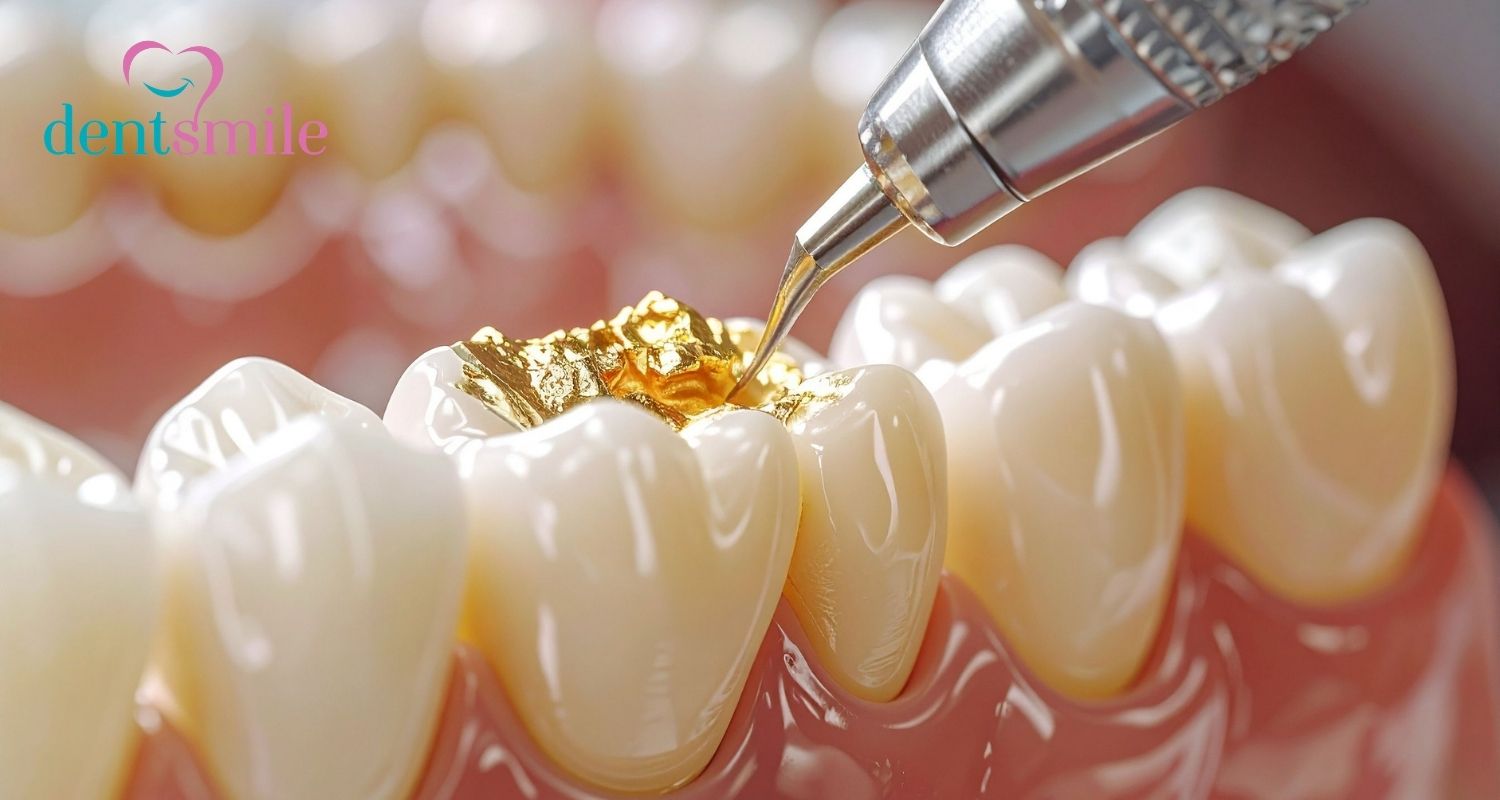
Aftercare following a dental filling depends on the filling material and whether local anesthesia was used. Avoid chewing until numbness disappears, continue your oral hygiene routine, and monitor any temporary sensitivity. Persistent pain or a filling that feels too high should be checked by a dentist.
What Should You Do After a Dental Filling?
A dental filling is a restorative procedure designed to repair tooth structure damaged by decay or injury and restore normal function. Although the procedure is usually completed in a relatively short appointment, proper aftercare is important for comfort and the long-term condition of the restoration.
Not all fillings behave in the same way. Modern composite fillings are hardened during treatment using a special curing light, so waiting several hours for the material to set is generally unnecessary. Temporary fillings and other materials may require different precautions.
Can You Eat While Your Mouth Is Still Numb?
If local anesthesia was used, the lips, cheeks, or tongue may remain numb for several hours. The duration varies depending on the anesthetic and the individual patient.
Chewing while numb may cause accidental biting injuries to the cheek or tongue. It is therefore safer to wait until normal sensation returns before eating. Hot foods and drinks should also be avoided while numb, as you may not accurately sense their temperature.
What Can You Eat After a Filling?
Permanent composite fillings are usually ready for normal function once they have been cured and the dentist has checked the bite. If no anesthesia was used and your dentist has not given different instructions, eating is generally possible soon after treatment.
Nevertheless, very hard, sticky, or difficult-to-chew foods may cause discomfort during the first few hours. Temporary fillings can have different setting times and strength, so specific instructions from the dentist should take priority.
Is Pain or Sensitivity Normal After a Filling?
Temporary sensitivity to cold, heat, or chewing pressure can occur after a dental filling. How long it lasts may depend on the depth of the cavity and the condition of the tooth before treatment.
Symptoms should generally improve rather than worsen. Severe spontaneous pain, pain that wakes you at night, swelling, or increasing sensitivity requires dental assessment. These symptoms do not automatically mean root canal treatment is necessary, but they should not be ignored.
What If the Filling Feels Too High?
If the treated tooth touches the opposing tooth before the other teeth make contact, the filling may be slightly high.
Excess pressure during chewing can cause discomfort or persistent tenderness. A dentist can check the bite and make a small adjustment when necessary. It is not advisable to wait for the filling to wear down on its own.
Should You Continue Brushing and Flossing?
The treated tooth still needs regular cleaning. Continue brushing twice daily with fluoride toothpaste and a soft toothbrush, and clean between your teeth using an appropriate interdental method.
A filling does not make the surrounding natural tooth structure immune to future decay. Good plaque control, particularly around restoration margins, helps protect the tooth and maintain the filling.
Dental Filling Aftercare in Üsküdar
At Dentsmile Oral and Dental Health Polyclinic in Üsküdar, patients receive individualized aftercare advice based on the restorative material and the condition of the treated tooth.
Mild sensitivity may occur during the initial recovery period. However, persistent pain, a high bite, a broken filling, or difficulty chewing should be examined.
The goal of dental filling treatment is not simply to repair a cavity, but to preserve natural tooth structure and maintain comfortable function over time.