
Q&A
Can Patients with Insufficient Jawbone Receive Dental Implants?
Can you get dental implants with insufficient jawbone? Learn about bone grafting, sinus lifts, advanced implant options and treatment planning.
 Answered by:
Dr Sema Tekin
Published:
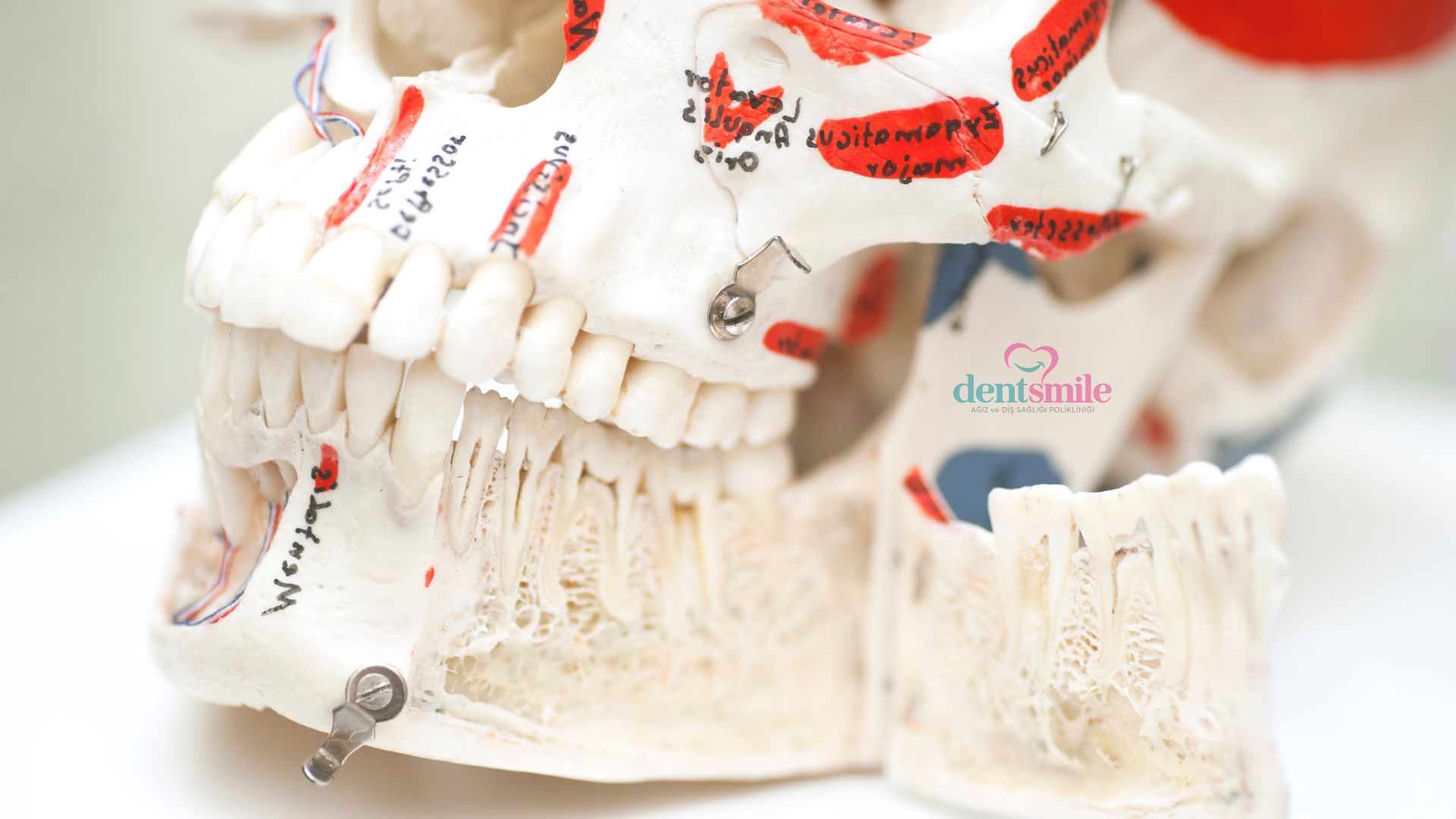
Dental implant treatment may be possible for patients with insufficient jawbone when suitable conditions can be established. Bone loss caused by missing teeth, long-term tooth loss, or periodontal disease can make implant placement more difficult. However, procedures such as bone grafting, sinus lifting, and certain advanced implant techniques may help provide adequate bone support for many patients. Treatment selection depends on the extent of bone loss, the anatomical structure of the jaw, and the patient's overall health. The same approach is not appropriate for everyone.
Can Patients with Insufficient Jawbone Receive Dental Implants?
Adequate jawbone support is important for the long-term function and health of dental implants. However, patients who have been missing teeth for many years may experience gradual loss of the bone that once supported those teeth. This can lead some patients to believe that dental implant treatment is no longer possible because they lack sufficient bone.
Insufficient jawbone does not necessarily mean that dental implant treatment is impossible. Modern bone augmentation procedures and different implant options may allow treatment to be planned for suitable patients.
What Causes Insufficient Jawbone?
One of the most common causes of jawbone loss is tooth loss. After a tooth is extracted, the surrounding bone gradually remodels, which may reduce its height or width. Long-term tooth loss can make these changes more pronounced.
Advanced periodontal disease, trauma, infections, and certain anatomical characteristics may also contribute to insufficient bone support at the planned implant site.
Bone volume is assessed through a clinical examination and, when necessary, cone-beam computed tomography (CBCT). This allows the dentist to evaluate bone height and width as well as the distance from important anatomical structures.
Dental Implant Treatment with Bone Grafting
Bone grafting is a surgical procedure used to increase bone volume in areas where existing bone may not provide sufficient support for an implant. The procedure may involve the patient's own bone or suitable bone grafting materials.
In certain cases, bone grafting and implant placement can be performed during the same appointment. In patients with more extensive bone loss, bone augmentation may need to be completed first, followed by a healing period before implant placement.
The appropriate timing depends on the condition of the augmented bone and whether sufficient implant stability can be achieved.
Sinus Lifting and Advanced Dental Implant Options
When bone height is insufficient in the posterior upper jaw, a sinus lift may be considered. This procedure involves carefully elevating the floor of the maxillary sinus to help create the bone support needed for implant placement.
For selected patients with severe bone loss, other approaches such as short implants, angled implant placement, or, under specific conditions, zygomatic implants may be evaluated.
Not every case of bone loss requires bone grafting, and advanced surgical techniques are not suitable for every patient. Treatment selection must consider the anatomical conditions, remaining bone support, and the type of dental prosthesis being planned.
Dental Implant Treatment for Insufficient Jawbone in Üsküdar
At Dentsmile Oral and Dental Health Polyclinic in Üsküdar, Istanbul, implant treatment planning for patients with insufficient jawbone involves evaluating bone volume, gum health, the position of missing teeth, and the patient's overall medical condition.
When necessary, bone augmentation procedures or alternative implant techniques may be considered to develop a treatment plan suited to the patient's anatomy. The aim is not simply to place an implant but to support its long-term health and function through adequate surrounding tissues.
In conclusion, dental implants can be placed in many patients with insufficient jawbone. However, the appropriate approach depends on the severity of bone loss and individual patient factors. The most suitable treatment should be determined after a detailed clinical and radiographic assessment.