
Blog
Toothbrushing Techniques
Discover effective toothbrushing techniques, the benefits of electric and manual toothbrushes, and daily oral hygiene tips to protect your teeth and gums.
Published:
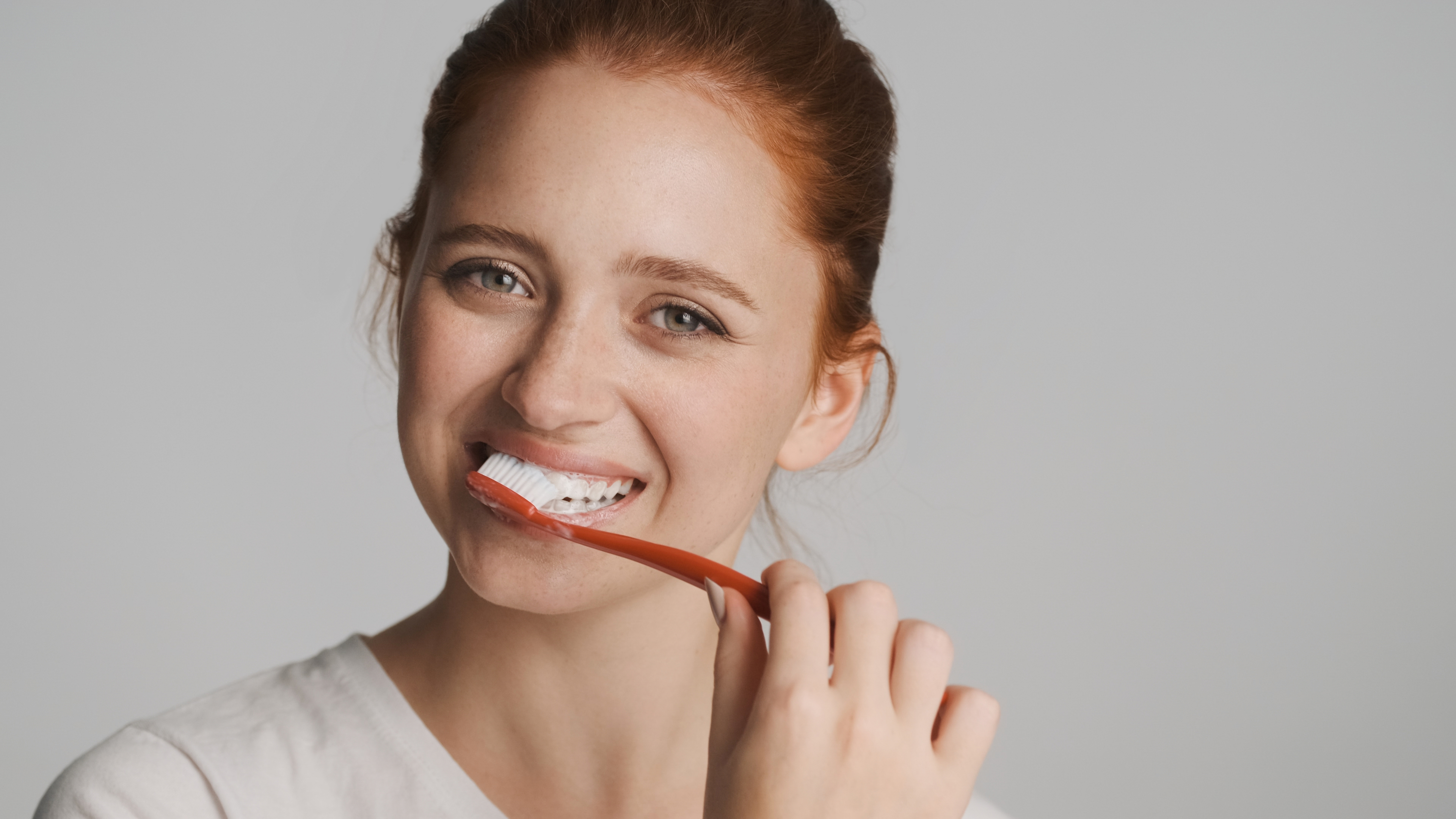
Toothbrushing is one of the most fundamental ways to maintain good oral hygiene. Brushing your teeth regularly every day helps keep them healthy and prevents gum disease. It also helps reduce bad breath and has a positive impact on overall health.
The Importance of Toothbrushing
Toothbrushing helps remove bacteria from tooth surfaces, reducing the risk of cavities and gum disease. Plaque accumulation can eventually contribute to tooth decay and inflammation. When plaque hardens into tartar, professional dental cleaning is needed to remove it.
Poor oral hygiene may also contribute to gum diseases such as gingivitis and periodontitis, which can eventually lead to tooth loss.
The importance of toothbrushing can be summarized as follows:
Prevents Tooth Decay: Regular brushing removes bacterial plaque and helps reduce the acid attacks responsible for tooth decay.
Prevents Gum Disease: Regular and effective brushing helps reduce plaque accumulation and inflammation associated with gum conditions such as gingivitis.
Reduces Bad Breath: Bacteria accumulating on teeth can contribute to unpleasant breath. Toothbrushing helps control these bacteria and maintain oral freshness.
Supports Overall Health: Oral health is closely connected to general health. Gum disease is associated with conditions such as cardiovascular disease and diabetes, although these associations do not necessarily establish direct causation.
Electric Toothbrush or Manual Toothbrush?
Choosing a toothbrush depends on individual preferences and oral health needs. Rechargeable electric toothbrushes have become increasingly popular in recent years. Both electric and manual toothbrushes have advantages.
Advantages of Electric Toothbrushes
More Effective Cleaning: Electric toothbrushes use consistent, rapid movements that may provide more effective plaque removal than manual brushing.
Less Physical Effort: Electric toothbrushes require less manual movement, making them particularly helpful for people with joint problems or limited mobility.
Timer Function: Many electric toothbrushes include timers that help users brush for the recommended duration, usually two minutes.
Improved Gum Care: The controlled movements of electric toothbrushes may support gum health by helping remove plaque. Some models include additional gum-care features.
Advantages of Manual Toothbrushes
Affordability: Manual toothbrushes are generally more affordable than rechargeable electric toothbrushes.
Control: Users can directly control brushing movements and adapt them to their preferred technique.
Portability: Manual toothbrushes are lightweight and easy to carry while traveling.
Minimal Maintenance: Unlike electric toothbrushes, manual toothbrushes do not require charging or other electrical maintenance.
Which Toothbrush Should You Choose?
An electric toothbrush may be recommended because of its cleaning efficiency and convenience. However, a manual toothbrush can also be highly effective when used regularly with the correct technique.
The most important factor is developing a consistent brushing routine.
When using a manual toothbrush, it is important to learn the correct movements and brush gently for approximately two minutes.
When using an electric toothbrush, avoid applying excessive pressure against the gums and choose an appropriate brush head.
Toothbrushing Techniques
Correct toothbrushing techniques help clean teeth effectively.
The basic techniques include:
Bass Technique: Position the toothbrush at approximately a 45-degree angle toward the gumline and clean the teeth using gentle, small movements.
Roll Technique: Move the toothbrush from the gumline toward the chewing or biting edge of the tooth using a rolling motion.
Choosing the Right Toothbrush: Select a toothbrush with soft bristles. Hard bristles and excessive brushing pressure may damage gum tissues.
Additional Habits That Support Toothbrushing
Toothbrushing alone is not always sufficient to maintain oral health. Other oral hygiene habits are also important.
Dental Floss: Toothbrush bristles may not adequately reach the spaces between teeth. Flossing helps remove plaque from these areas.
Mouthwash: When appropriate, mouthwash can complement daily oral hygiene and help control bacteria. It does not replace brushing or flossing.
Regular Dental Check-ups: Dental examinations at intervals recommended by your dentist, often around six months depending on individual risk, can help detect potential problems early.
Toothbrushing is one of the foundations of oral health and should be part of everyone's daily routine.
Choosing between an electric and a manual toothbrush depends on individual needs and preferences. What matters most is brushing regularly and using the correct technique.
Remember that healthy teeth are important not only for appearance but also for maintaining overall health.