
Blog
The Invisible Connection Between Oral Health and Overall Health
Explore the relationship between oral health, diabetes, cardiovascular health, pregnancy, nutrition, and systemic inflammation, and discover why healthy gums matter.
Published:
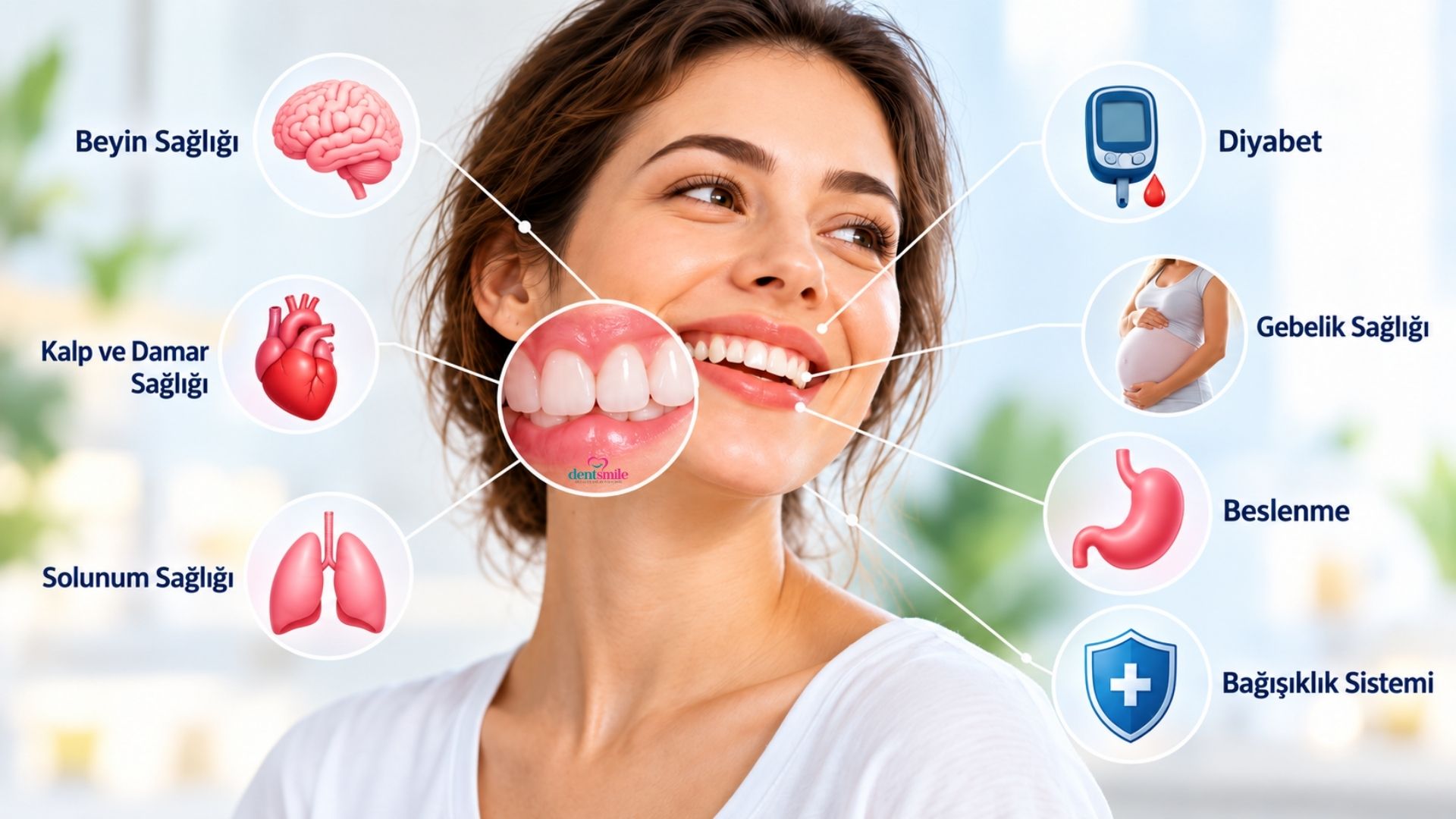
Oral health is closely connected to overall well-being. Gum disease, oral bacteria, diabetes, cardiovascular health, and daily habits can influence one another. Understanding these connections highlights why maintaining healthy teeth and gums is an important part of caring for the entire body.
When we think about oral health, we usually focus on our teeth, gums, and smile. Tooth decay, bleeding gums, or persistent bad breath are often considered problems limited to the mouth. However, the mouth is not separate from the rest of the body. It is part of a complex biological system in which different organs, tissues, and microorganisms interact continuously.
Changes in oral health may reflect certain underlying health conditions, while some oral diseases can also affect general well-being. The relationship is particularly important in chronic inflammatory conditions, metabolic disorders, and diseases that influence the body's immune response.
Maintaining good oral health is therefore about more than preventing cavities or keeping teeth looking attractive. It is also an important component of a broader approach to health and quality of life.
The Mouth as a Part of the Body's Biological System
The oral cavity contains teeth, gums, the tongue, salivary glands, mucous membranes, and numerous microorganisms. These structures work together to support essential functions such as chewing, swallowing, speaking, and the initial stages of digestion.
The mouth also serves as an important point of contact between the body and the external environment.
Every day, food, beverages, and microorganisms enter the oral cavity. Saliva, the oral mucosa, and the immune system help maintain a balance within this environment.
When this balance is disrupted, dental decay, gum inflammation, and other oral health problems may develop.
Some changes remain localized, while others can interact with broader biological processes, particularly when chronic inflammation is involved.
Understanding these interactions helps explain why oral health should be considered alongside general medical health.
Oral Microbiota and the Balance of Microorganisms
The human mouth naturally contains hundreds of different microbial species. Together, these microorganisms form what is known as the oral microbiota.
Not all bacteria in the mouth are harmful. Many microorganisms are normal inhabitants of the oral environment and participate in its complex ecological balance.
However, changes in oral hygiene, diet, saliva production, and general health can alter the composition and activity of these microbial communities.
When dental plaque accumulates along the gumline, certain bacterial communities can contribute to an inflammatory response in the surrounding tissues.
If plaque is not adequately controlled, gingivitis may develop. In susceptible individuals, more advanced periodontal disease can eventually affect the tissues supporting the teeth.
The objective of oral hygiene is not to eliminate every microorganism from the mouth. Instead, it is to maintain a healthy microbial balance and control the bacterial biofilm associated with oral disease.
Gum Disease and Chronic Inflammation
Gum disease is one of the clearest examples of the relationship between oral health and the body's inflammatory processes.
Gingivitis is an inflammatory condition affecting the gums, commonly associated with the accumulation of bacterial plaque. It may cause redness, swelling, and bleeding during brushing or flossing.
When detected early and managed appropriately, plaque-induced gingivitis is generally reversible.
Periodontitis, on the other hand, is a more advanced inflammatory disease that affects the supporting structures of the teeth, including the periodontal ligament and alveolar bone.
The development and progression of periodontitis involve interactions between the oral microbial biofilm and the individual's immune-inflammatory response.
As the disease progresses, the supporting tissues may become damaged, potentially leading to gum recession, tooth mobility, and tooth loss.
Periodontal inflammation is not simply a matter of local discomfort. It has been studied extensively in relation to several systemic diseases.
However, it is important to distinguish between an observed association and direct causation. The presence of gum disease does not necessarily mean that it has caused another medical condition.
The Two-Way Relationship Between Diabetes and Gum Health
One of the most established connections between oral and general health is the relationship between diabetes mellitus and periodontal disease.
People with poorly controlled diabetes may be more susceptible to periodontal inflammation and may experience more severe periodontal problems.
Persistently elevated blood glucose levels can affect immune responses, tissue healing, and the body's ability to manage infections.
At the same time, periodontal inflammation may contribute to difficulties in glycemic control.
This creates a bidirectional relationship in which diabetes can influence periodontal health, while periodontal disease may also affect metabolic regulation.
Appropriate periodontal treatment may contribute to improvements in glycemic control in some patients with diabetes, alongside their regular medical care.
For this reason, individuals living with diabetes should pay particular attention to their gum health and follow personalized dental maintenance recommendations.
Likewise, dentists should consider a patient's medical history and metabolic health when planning periodontal treatment.
Oral Health and Cardiovascular Disease
The relationship between periodontal disease and cardiovascular health has attracted considerable scientific attention.
Research has identified associations between periodontitis and certain cardiovascular conditions, including atherosclerotic cardiovascular disease.
Chronic inflammation and shared risk factors, such as smoking, diabetes, age, and lifestyle habits, may contribute to these relationships.
Researchers have also investigated whether periodontal bacteria and inflammatory mediators may influence biological processes outside the oral cavity.
However, an association between periodontal disease and cardiovascular disease does not establish that gum disease directly causes heart disease.
Similarly, periodontal treatment should not be presented as a proven method of preventing heart attacks or strokes.
What can be said with confidence is that maintaining healthy gums is beneficial for oral health and forms part of responsible overall healthcare.
For patients with cardiovascular conditions, communication between dental and medical professionals may be particularly important when planning certain treatments.
Pregnancy and Changes in Gum Health
Pregnancy is a period during which hormonal and physiological changes can influence oral health.
Changes in hormone levels may increase the inflammatory response of the gums to bacterial plaque, making some pregnant patients more susceptible to gingival swelling and bleeding.
This condition is often referred to as pregnancy gingivitis.
Nausea, vomiting, dietary changes, and alterations in daily oral hygiene routines may also affect the oral environment.
Some studies have reported associations between periodontal disease and certain adverse pregnancy outcomes, including preterm birth and low birth weight. However, these findings do not prove that periodontal disease directly causes such outcomes, and periodontal treatment has not consistently been shown to prevent them.
Maintaining oral health during pregnancy remains important for the comfort and well-being of the expectant mother.
Routine preventive dental care and clinically necessary dental treatment can generally be provided during pregnancy with appropriate planning.
Patients should inform their dentist about their pregnancy and any relevant medical conditions or medications.
Chewing Function, Nutrition, and General Well-Being
Healthy teeth play an essential role in chewing, which is one of the first stages of digestion.
When teeth are missing, painful, or unable to function properly, patients may gradually change their eating habits.
Harder or fibrous foods, including certain vegetables, fruits, and protein sources, may become difficult to chew.
Some individuals begin choosing softer foods not because of nutritional preference, but because they cannot chew comfortably.
Over time, these changes can affect dietary variety and nutritional quality, particularly in older adults or patients with extensive tooth loss.
Restoring chewing function through appropriate dental treatment may help patients maintain a more varied diet.
However, replacing missing teeth does not automatically resolve every nutritional problem. Overall dietary habits, medical conditions, and individual needs must also be considered.
The relationship between oral health and nutrition therefore works in both directions: diet influences dental health, while the condition of the teeth can influence food choices.
Dry Mouth and Its Connection to General Health
Saliva plays an important protective role in the oral cavity.
It helps lubricate oral tissues, supports swallowing and speaking, assists with food clearance, neutralizes acids, and contributes to the maintenance of mineral balance at tooth surfaces.
When saliva production decreases, patients may experience dry mouth, also known as xerostomia.
Persistent dry mouth can make eating and speaking uncomfortable and may increase the risk of tooth decay and certain oral infections.
Several factors can contribute to dry mouth, including medications, dehydration, salivary gland disorders, and certain systemic medical conditions.
Dry mouth is particularly relevant among older adults, not simply because of age itself, but because of factors such as medication use and coexisting medical conditions.
Patients experiencing persistent oral dryness should not assume that it is merely a normal part of aging.
Identifying the underlying cause is important for choosing suitable preventive and therapeutic measures.
Oral Health and Respiratory Health
The oral cavity contains microorganisms that may also be present in respiratory secretions.
In certain vulnerable populations, such as frail older adults and people with swallowing difficulties, aspiration of oral microorganisms may contribute to respiratory infections.
This relationship has received particular attention in hospitals, long-term care facilities, and patients requiring assistance with daily oral hygiene.
Maintaining oral cleanliness may contribute to better care in these settings, although the effect of specific oral care interventions on pneumonia prevention varies according to the population and care provided.
For most healthy individuals, routine brushing, interdental cleaning, and regular dental care remain appropriate ways to support oral health.
The broader significance is that oral hygiene can be especially important for people whose medical conditions make them more vulnerable to complications.
Stress, Sleep, and Oral Health
Emotional stress and sleep-related factors can also influence oral health.
Some individuals experience increased jaw muscle activity, tooth clenching, or grinding during periods of stress.
Bruxism, which includes repetitive jaw muscle activity during sleep or wakefulness, may contribute to tooth wear, fractures, restoration damage, and discomfort in the chewing muscles in certain patients.
Stress can also indirectly affect oral hygiene routines, dietary habits, and the frequency of dental visits.
Poor sleep, ongoing discomfort, or dental pain may influence quality of life and daily functioning.
However, not every case of bruxism is caused by stress, and not all tooth wear is the result of grinding.
A careful clinical assessment is necessary to identify the relevant factors and choose suitable management strategies.
The Importance of Daily Habits in Oral and General Health
Many of the behaviors that support oral health also contribute to broader health goals.
Reducing frequent sugar consumption, avoiding tobacco, maintaining a balanced diet, and following consistent daily hygiene routines are important examples.
Regular toothbrushing with fluoride toothpaste, appropriate interdental cleaning, and individualized dental check-ups help reduce the risk of common oral diseases.
Smoking is particularly important because it is associated with periodontal disease and numerous systemic health problems.
For people with chronic medical conditions, oral care should be considered alongside their overall healthcare plan.
The appropriate frequency of dental appointments varies according to individual risk factors, including previous periodontal disease, dental decay, medication use, and general health.
Rather than treating dental care as a separate activity, it is more useful to view it as one part of maintaining health throughout life.
Oral and General Health Assessment at Dentsmile in Üsküdar
At Dentsmile Oral and Dental Health Polyclinic in Üsküdar, Istanbul, oral health assessments take into consideration not only the condition of the teeth but also the gums, surrounding tissues, oral hygiene habits, and relevant aspects of the patient's general medical history.
When necessary, conditions such as diabetes, medication-related dry mouth, periodontal disease, and other factors that may influence treatment planning are considered together.
The aim is to identify existing dental problems while also recognizing factors that may affect the long-term health of the mouth.
In patients with periodontal disease, treatment planning may include professional plaque and calculus removal, periodontal therapy when indicated, personalized oral hygiene guidance, and ongoing maintenance.
Patients with complex medical conditions may also benefit from coordination between their dentist and treating physician.
This comprehensive approach helps ensure that dental treatment is planned according to the patient's individual needs rather than focusing on a single tooth or symptom.
Oral Health as an Essential Part of Lifelong Well-Being
The relationship between oral health and general health is complex and involves numerous biological, behavioral, and medical factors.
Some connections, such as the bidirectional relationship between diabetes and periodontal disease, are well established. Other associations continue to be investigated, and scientific findings must be interpreted carefully.
What remains clear is that healthy teeth and gums support important daily functions, including eating, speaking, and maintaining comfort and quality of life.
Regular oral care, early identification of dental problems, appropriate treatment, and attention to general health conditions all contribute to a more comprehensive approach to patient care.
A healthy mouth is not simply a mouth without cavities or toothache. It is part of a healthy body, and caring for it should be an important element of lifelong health maintenance.