
Q&A
Is Teeth Whitening Harmful to Your Teeth?
Can teeth whitening damage enamel? Learn about tooth sensitivity, gum irritation, whitening products, and professional whitening in Üsküdar.
 Answered by:
Dr Sema Tekin
Published:
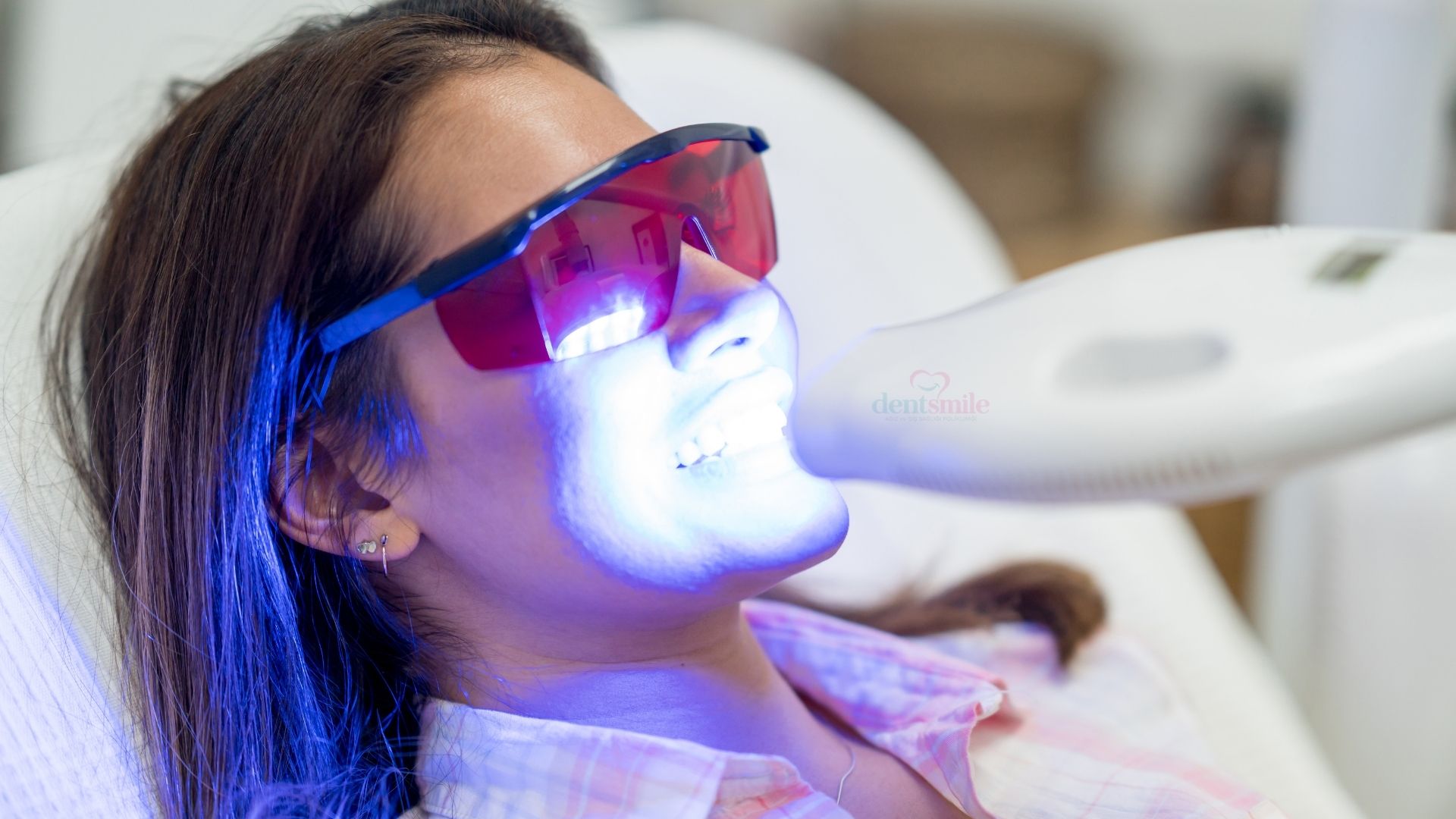
Teeth whitening is generally considered a safe cosmetic dental procedure when performed correctly under a dentist's supervision in suitable patients. However, temporary tooth sensitivity and gum irritation may occur. Unsupervised use of whitening products, incorrect application of high-concentration agents, and excessively frequent treatments can cause unwanted effects. A dental examination before whitening is important.
Is Teeth Whitening Harmful to Your Teeth?
One of the questions patients most frequently ask before whitening their teeth is whether the procedure can cause damage. Concerns about enamel erosion, weakened teeth, or permanent sensitivity sometimes make people hesitant about pursuing treatment.
Teeth whitening is generally considered safe when performed under appropriate conditions and with professional dental supervision. Nevertheless, every patient's tooth structure, existing restorations, gum health, and sensitivity levels are different. A whitening approach that is suitable for one patient may not be appropriate for another.
Whitening aims to reduce discoloration on and within natural teeth through the controlled use of whitening agents. However, identifying the reason for the discoloration is an important first step. Not every change in tooth color can be corrected through conventional whitening.
Does Teeth Whitening Damage Tooth Enamel?
Professional whitening systems commonly contain hydrogen peroxide or carbamide peroxide. These substances help lighten teeth by altering the molecules responsible for discoloration.
When applied at appropriate concentrations, for the recommended duration, and using suitable techniques, whitening is not generally expected to cause clinically significant permanent damage to healthy enamel. This does not mean that whitening agents are completely free of risks.
Unsupervised use of highly concentrated products, leaving whitening agents on the teeth longer than recommended, or repeating treatment too frequently can cause undesirable changes to the tooth surface and increased sensitivity.
Trying to whiten teeth with lemon juice, vinegar, or abrasive household substances is also unsafe. Such practices may contribute to enamel erosion and irreversible loss of tooth structure.
Is Sensitivity After Teeth Whitening Normal?
Temporary tooth sensitivity is among the most common side effects of whitening. Some patients notice brief discomfort when drinking cold beverages or breathing in cold air after treatment.
This sensitivity usually decreases within a few days. However, its severity and duration can vary according to the whitening product, the technique used, and any sensitivity that was present before treatment.
When necessary, the dentist may adjust the whitening protocol, allow longer intervals between sessions, or recommend desensitizing products. A careful assessment is particularly important for patients who already experience considerable sensitivity.
Severe, persistent, or progressively worsening pain should not be considered a normal whitening side effect. Patients experiencing these symptoms should contact their dentist.
Can Teeth Whitening Harm the Gums?
Whitening chemicals may irritate gum tissues if they remain in contact with them for too long or are applied incorrectly. Patients may notice temporary whitening of the gum surface, a burning sensation, or localized tenderness.
During in-office whitening, protective barriers can be used to isolate the gums. For dentist-supervised home whitening, individually fitted trays and the correct quantity of gel help limit unnecessary contact between the whitening agent and the soft tissues.
When active gum inflammation, open lesions, or other oral health problems are present, these conditions should be assessed and, when necessary, treated before whitening begins.
Are At-Home Teeth Whitening Products Safe?
Whitening strips, gels, pens, and various whitening toothpastes are widely available. However, these products do not all work in the same way and may differ considerably in their safety profiles.
Products purchased online without clear ingredient information or reliable concentration labeling can increase the risk of sensitivity and gum irritation when used incorrectly. Highly abrasive products may also damage tooth surfaces over time.
In contrast, dentist-supervised home whitening may involve custom-made trays and whitening gels selected for the individual patient. This allows the amount of product and the application schedule to be adapted to clinical needs.
It is also important to remember that whitening agents affect natural teeth differently from restorative materials. Zirconia crowns, porcelain veneers, and composite fillings do not whiten in the same way as natural teeth. Existing restorations must therefore be considered when planning the final shade.
Who May Not Be Suitable for Teeth Whitening?
Whitening is not an appropriate treatment for everyone without prior assessment. Cavities, cracked teeth, exposed dentin, gum disease, and existing restorations must be examined before the procedure. Untreated decay or significant gum problems may need to be addressed first.
Cosmetic whitening is generally postponed during pregnancy and breastfeeding because sufficient safety data are unavailable. In children and adolescents, tooth development, the reason for discoloration, and whether treatment is genuinely necessary require particular consideration.
Some dark discolorations, trauma-related color changes, or staining following root canal treatment may require approaches other than standard external whitening. Treatment selection should therefore be based on a clinical diagnosis rather than a desire for whiter teeth alone.
How Long Do Teeth Whitening Results Last?
The color change achieved through whitening does not remain completely unchanged for life. Teeth may gradually become discolored again. Tea, coffee, tobacco products, dietary habits, and natural aging can affect the speed of this process.
Good daily oral hygiene and control of plaque and surface staining can help maintain the appearance achieved after treatment. However, whitening results do not last for exactly the same period in every patient.
If additional whitening is being considered, a dentist should assess whether it is necessary and appropriate. Repeating whitening procedures too frequently without supervision may increase sensitivity and irritation without providing meaningful additional aesthetic benefits.
Professional Teeth Whitening in Üsküdar
At Dentsmile Oral and Dental Health Polyclinic in Üsküdar, Istanbul, teeth whitening is planned by considering the patient's natural tooth shade, enamel and gum health, existing fillings and crowns, sensitivity history, and aesthetic expectations.
Successful whitening does not simply mean achieving the lightest possible shade. A natural appearance, protection of surrounding tissues, and patient comfort are equally important considerations.
When performed on an appropriately selected patient using a suitable technique, teeth whitening is generally not a damaging procedure. Nevertheless, a dental examination, appropriate products, and adherence to recommended application times are essential for a balanced and safe outcome.