
Blog
Teeth Clenching and Grinding (Bruxism): Causes, Symptoms and Treatment Options
Learn about teeth clenching, grinding, bruxism symptoms, night guards and treatment options at Dentsmile in Üsküdar, Istanbul.
Published:
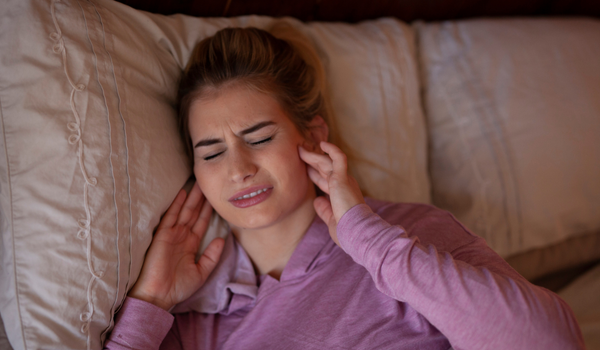
Bruxism is a condition involving repetitive jaw muscle activity, including teeth clenching and grinding, which may occur during sleep or while awake. It can contribute to tooth wear, fractures, jaw discomfort and damage to dental restorations. Treatment depends on the patient's symptoms and individual risk factors and may involve a custom-made night guard, stress management, physiotherapy and other supportive approaches.
What Is Bruxism?
Teeth clenching and grinding, commonly referred to as bruxism, involve repetitive activity of the jaw muscles. This activity may occur during sleep without the individual being aware of it, but it can also develop during waking hours.
Bruxism is not always a disease in itself. However, when clenching or grinding causes pain, tooth damage, or functional problems, professional evaluation becomes important.
Some individuals discover that they grind their teeth because a family member hears grinding noises during the night. Others may notice symptoms such as jaw muscle fatigue, tooth sensitivity, or discomfort after waking.
Stress and emotional tension may contribute to bruxism, particularly during wakefulness. Nevertheless, the causes of sleep bruxism are complex and cannot be explained by psychological factors alone.
In some patients, repeated clenching and grinding may damage fillings, crowns and natural teeth. Dental assessment is therefore important when symptoms persist.
What Problems Can Bruxism Cause?
When teeth are repeatedly exposed to excessive or prolonged forces, changes may develop in both the teeth and the surrounding oral structures.
Bruxism may contribute to wear of the tooth surfaces, increased sensitivity, small cracks, and fractures in teeth or dental restorations.
In some individuals, the muscles responsible for chewing may become painful or fatigued. Discomfort in the jaw and around the temporomandibular joints can also occur.
Patients may experience headaches upon waking, tenderness in the jaw muscles, or difficulty maintaining a comfortable jaw position.
However, not every case of tooth wear or jaw pain is caused by bruxism. Other dental, muscular and joint-related conditions must also be considered.
In patients with existing periodontal problems, excessive forces may further complicate the clinical situation. Nevertheless, tooth mobility or changes in tooth position should not automatically be attributed to grinding alone.
Why Does Teeth Grinding Occur?
Bruxism has a multifactorial background, and its causes may differ between individuals.
Stress, anxiety, emotional tension, and increased concentration can be associated with awake bruxism.
Sleep bruxism, on the other hand, involves mechanisms related to sleep and the central nervous system. Certain sleep disorders, medications and individual characteristics may also be relevant.
Problems involving the bite or dental restorations should be assessed when they cause functional discomfort. However, an irregular bite or an incorrectly shaped filling should not automatically be considered the primary cause of bruxism.
A comprehensive evaluation helps distinguish bruxism from other conditions that produce similar symptoms.
How Is Bruxism Treated?
The management of bruxism depends on whether the activity occurs during sleep or while awake, the severity of symptoms, and the presence of damage to the teeth or jaw structures.
There is no single treatment that permanently eliminates bruxism in every patient.
The dentist may consider several approaches according to the clinical findings.
Occlusal splints or night guards are commonly used to help protect teeth and restorations against damage associated with grinding.
Stress management techniques may be particularly helpful for patients whose awake clenching is associated with tension or emotional stress.
Physiotherapy and jaw exercises may be considered when muscle pain, movement limitations or temporomandibular symptoms are present.
Medication may be appropriate for selected patients following assessment by a qualified healthcare professional. It is not a routine solution for every case of bruxism.
The most appropriate treatment plan should be individualized following a detailed examination.
What Is a Night Guard?
A night guard is a removable dental appliance designed to be worn over the teeth, generally during sleep.
Its main purpose is to protect dental surfaces and restorations from the effects of excessive tooth contact and grinding.
Night guards are usually made according to the patient's dental measurements or digital scans.
A properly designed appliance distributes contact forces across selected surfaces and can help reduce the risk of certain mechanical complications.
However, a night guard does not necessarily stop the muscular activity responsible for bruxism.
Its effectiveness and suitability depend on appliance design, material selection, clinical findings and patient compliance.
Types of Night Guards
Different night guard designs and materials are available. The appropriate choice depends on the patient's needs.
Soft Night Guards
Soft night guards are manufactured from flexible materials. They may be considered in selected cases, although they are not appropriate for every person with bruxism.
Their suitability should be assessed carefully, particularly when grinding forces are significant.
Dual-Laminate Night Guards
Dual-laminate appliances combine a softer inner surface with a more rigid outer layer.
They may offer a combination of comfort and structural support in suitable clinical situations.
The choice of this design depends on the patient's dental condition and treatment objectives.
Hard Night Guards
Hard night guards are generally manufactured from durable acrylic or similar rigid materials.
They allow the dentist to adjust the contact surfaces precisely and are frequently used in the management of bruxism-related dental problems.
The most appropriate appliance should be selected and adjusted by a dental professional rather than chosen solely according to the perceived severity of grinding.
What Does a Night Guard Do?
Night guards primarily provide a protective surface between the upper and lower teeth.
This can help reduce direct tooth-to-tooth wear and protect certain restorations from excessive mechanical contact.
In selected patients, an appropriately designed splint may also help manage muscle discomfort or symptoms associated with temporomandibular disorders.
However, improvements in pain or jaw function vary between patients. A splint should not be assumed to reposition the jaw permanently or cure every temporomandibular joint disorder.
Night guards should be evaluated alongside the underlying contributing factors and any other necessary treatment.
Who May Benefit From a Night Guard?
A night guard may be considered for people who experience repeated tooth grinding and have clinical signs of excessive wear or damage.
Patients with recurrent fractures of fillings, teeth or restorations may also require assessment for possible bruxism.
Other possible indications include tooth sensitivity associated with wear, morning jaw muscle discomfort, and symptoms that suggest repeated nighttime clenching.
However, these complaints can have causes other than bruxism. A clinical examination is therefore necessary before deciding whether a splint is appropriate.
The recommended wearing schedule is individualized. A night guard prescribed for sleep-related bruxism is typically worn during sleep, while other splint designs may have different indications.
Patients should not wear a night guard continuously throughout the day or for a fixed number of months unless their dentist specifically recommends that schedule.
Regular follow-up appointments help assess the fit of the appliance, changes in symptoms and the need for adjustments.
Bruxism Evaluation and Treatment in Üsküdar, Istanbul
At Dentsmile Oral and Dental Health Polyclinic in Üsküdar, Istanbul, patients experiencing teeth clenching or grinding can be evaluated according to their dental findings, jaw muscle symptoms and oral health needs.
The examination may include assessment of tooth wear, fractures, existing restorations, jaw muscle tenderness and bite relationships.
When clinically appropriate, a customized night guard and supportive treatment approaches may be considered.
The aim is to help protect natural teeth, manage discomfort and reduce the risk of complications associated with excessive mechanical forces.
Early evaluation of persistent teeth grinding or clenching can help prevent avoidable dental damage and support long-term oral health.