
Q&A
What Should You Do If You Break a Tooth?
When a tooth breaks, the first step is to assess the condition inside the mouth, preserve the broken fragment properly if it can be found, and consult a dentist as soon as possible. Treatment for a broken tooth depends on the size of the fracture, which dental tissues are affected, and the condition of the tooth root.
 Answered by:
Dr Sema Tekin
Answered by:
Dr Sema Tekin
Published:
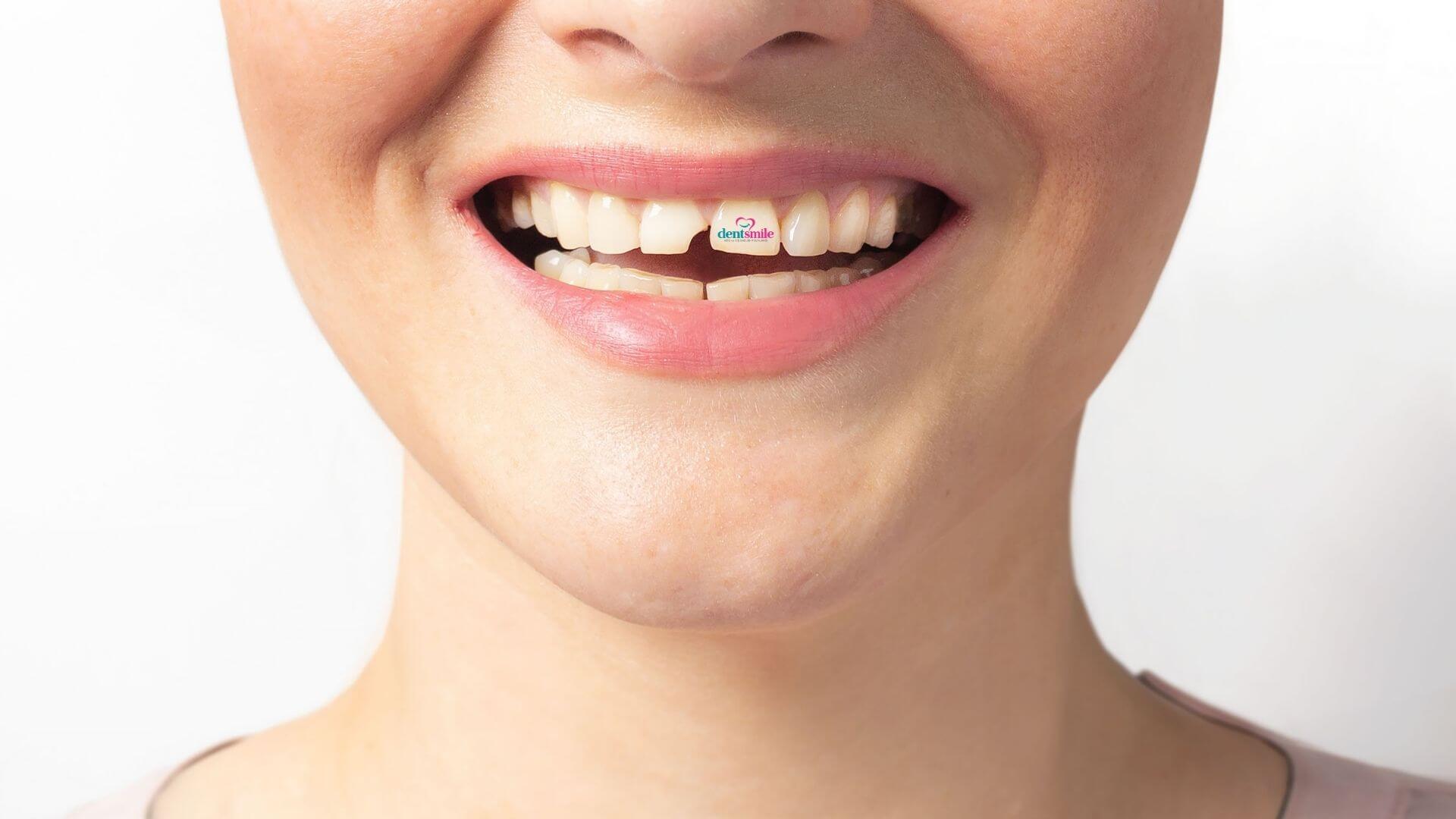
A broken tooth can result from a fall, an impact, a sports injury, biting into hard food, or weakening of the tooth structure due to decay. While some fractures affect only a small portion of the tooth enamel, others may extend into the dentin, the nerve tissue, or even the root of the tooth.
The most important step when a tooth breaks is to protect it from further stress and have it examined by a dentist as soon as possible, regardless of the size of the fracture. A fracture that appears minor from the outside may sometimes involve deeper dental tissues.
If there is bleeding inside the mouth following the fracture, gentle pressure can be applied with clean gauze. The mouth can be rinsed carefully with water, but pressure should not be applied directly to the broken tooth.
If the broken tooth fragment can be found, it should not be discarded. It can be stored in milk or sterile saline solution and taken to the dentist. In suitable cases, the fragment may be reattached to the tooth.
To prevent sharp fracture edges from injuring the tongue or cheek, avoid touching the affected area and do not chew hard foods with the broken tooth.
What First Aid Should Be Given for a Broken Tooth?
The initial response to a dental fracture is important for protecting the tooth and preventing additional damage.
Gently clean the mouth. Rinse carefully with water to remove blood or foreign materials.
Preserve the broken tooth fragment. If found, store it in an appropriate liquid and bring it to the dentist.
Control bleeding. If soft tissues are bleeding, apply gentle pressure using clean gauze.
Avoid putting pressure on the tooth. Do not chew hard foods with the broken tooth or repeatedly test whether it is loose.
Apply a cold compress externally. If swelling occurs due to trauma, apply a cold compress intermittently to the outside of the cheek.
Do not delay the dental examination. Same-day assessment is particularly important if there is pain, bleeding, tooth mobility, or exposure of the inner dental tissues.
Attempting to glue the broken tooth at home or filing down the fractured surface is not recommended.
How Does the Type of Tooth Fracture Affect Treatment?
Dental fractures are not evaluated solely according to the size of the visible broken fragment. The dental tissues involved, the vitality of the tooth, and the condition of the root are determining factors in treatment selection.
Enamel Fractures
Small fractures affecting only the enamel, the outermost layer of the tooth, can generally be treated with relatively simple procedures.
Depending on the location of the fracture, sharp edges may be smoothed, or the tooth's shape may be restored using composite filling material.
Enamel and Dentin Fractures
When a fracture extends beyond the enamel into the dentin, sensitivity to heat, cold, or touch may occur.
In these cases, protecting the exposed dentin and repairing the tooth with an appropriate restorative method are important.
Fractures Involving the Dental Pulp
Fractures that expose the pulp tissue inside the tooth require a more comprehensive evaluation.
The stage of tooth development, the time elapsed since the injury, and the condition of the pulp are considered when planning treatment.
In suitable cases, treatments aimed at preserving pulp vitality may be performed, while root canal treatment may be necessary in other situations.
Root Fractures
Fractures involving the tooth root are not always visible inside the mouth.
Therefore, appropriate radiographic examinations may be necessary in addition to a clinical examination. The location and direction of the root fracture, tooth mobility, and the condition of the supporting tissues determine the treatment plan.
Not every root fracture requires tooth extraction. However, in certain severe fractures, preserving the tooth may not be possible.
What Should You Do If a Front Tooth Breaks?
Front tooth fractures are particularly common following falls, impacts, and sports injuries. Because they directly affect appearance, they can be especially concerning for patients.
For minor fractures, composite bonding or aesthetic fillings can restore the tooth's natural shape.
In cases of more extensive tooth structure loss, reattachment of the broken fragment, appropriate restorative treatments, or, in some circumstances, ceramic restorations may be considered.
Treatment planning should take into account not only the appearance of the tooth but also the depth of the fracture, bite relationships, and the long-term health of the tooth.
What Should You Do If a Molar Breaks?
Back teeth are exposed to high forces during chewing, making fractures more likely, particularly in teeth with large fillings or weakened structures.
A molar fracture may affect only one cusp or extend into deeper parts of the tooth.
Depending on the amount of healthy tooth structure remaining, restorative options such as composite fillings, inlays, onlays, or crowns may be considered.
The extent of the fracture should be carefully examined, especially when a tooth causes pain during chewing or a crack is suspected.
Can a Broken Tooth Fragment Be Reattached?
In certain dental fractures, the separated fragment can be bonded back to the tooth.
For this procedure to be possible, the fragment must be in suitable condition, the fracture surfaces must fit together, and the clinical condition of the tooth must allow the treatment.
However, not every broken fragment can be reattached. If the fragment is lost or cannot be used, composite restorations or other treatment options may be used to reconstruct the tooth's shape.
Does a Broken Tooth Need Root Canal Treatment?
Not every broken tooth requires root canal treatment.
If the fracture affects only the enamel or dentin and the pulp remains healthy, restorative treatment may be sufficient.
However, root canal treatment may be necessary when the pulp has suffered irreversible damage, infection has developed, or the tissue has lost its vitality.
Particularly in teeth affected by trauma, responses to pulp vitality tests during the initial examination may be misleading. For this reason, periodic clinical and radiographic follow-up may be required.
Does a Broken Tooth Have to Be Extracted?
A broken tooth does not necessarily need to be extracted.
In modern restorative dentistry, the primary approach is to preserve as much natural tooth structure as possible and maintain the tooth's function in the mouth.
However, extraction may be considered in certain cases where the fracture extends significantly below the gum line, the root is split vertically, or the tooth cannot be restored in a healthy and predictable manner.
The decision to extract a tooth should only be made after carefully evaluating the location of the fracture and whether the tooth can be preserved.
What Happens If a Broken Tooth Is Left Untreated?
Delaying treatment for a broken tooth can lead to various complications depending on the type of fracture.
Exposed dentin may cause sensitivity. Deep fractures can affect the pulp, potentially resulting in pain or infection. Sharp fracture edges may irritate the tongue and cheek tissues.
Additionally, continued exposure of the broken tooth to chewing forces may cause further damage to the remaining tooth structure in certain cases.
Therefore, it is important to consult a dentist without waiting for pain to develop.
When Does a Broken Tooth Require Emergency Treatment?
If a tooth fracture is accompanied by severe pain, significant mobility, displacement of the tooth, pulp exposure, or uncontrolled bleeding, immediate assessment is necessary.
A tooth that has been completely knocked out requires a different level of urgency. In particular, complete displacement of a permanent tooth from its socket requires emergency dental treatment as quickly as possible. An avulsed permanent tooth should not be held by its root. If it cannot be immediately replanted safely, it should be kept in milk or a suitable tooth preservation solution and taken promptly to a dentist. Baby teeth, however, should not be replanted.
If the trauma is accompanied by loss of consciousness, suspected jaw fracture, serious facial injuries, or bleeding that cannot be controlled, the patient should seek emergency hospital care.
Broken Tooth Treatment in Üsküdar
At Dentsmile Oral and Dental Health Polyclinic in Üsküdar, Istanbul, broken teeth are assessed by examining the extent of the fracture, tooth vitality, root structure, remaining healthy tooth tissue, and chewing function.
Following a clinical examination and any necessary radiographic evaluations, treatment is planned according to whether the tooth can be preserved.
In suitable cases, composite bonding, aesthetic fillings, inlays, onlays, or other restorative methods may be used. Endodontic treatments may also be considered when the inner tissues of the tooth are affected.
The primary goal is not simply to cover the fractured area, but to restore the tooth's natural appearance and function while preserving as much healthy tooth structure as possible.